4,4,4-Trifluoro-1-phenyl-1,3-butanedione is a chemical compound widely used in organic reactions for the synthesis of complex molecules. It serves as a key building block in fluorinated chemistry, offering versatility in synthetic pathways. This compound is commonly found in chemical research laboratories, particularly in the development of fluorinated compounds with applications in pharmaceuticals and materials science. As a fluorinated building block, it provides a foundation for creating molecules with specific structural requirements. Its unique chemical structure enables precise control over fluorine placement, making it an essential tool in advanced chemical synthesis.
The compound’s properties, including the presence of three fluorine atoms at specific positions, contribute to its reactivity and stability. These characteristics make it suitable for substitution and electrophilic reactions, which are critical in the synthesis of complex organic compounds. The presence of fluorine also influences the compound’s polarity and solubility, enhancing its utility in various synthetic processes. Due to its chemical behavior and structural features, it is often selected for reactions requiring high precision and controlled functional group manipulation.
In Indonesian laboratories, this compound is utilized in organic chemistry research, especially in pharmaceutical and materials science applications. Many research institutions and universities incorporate it into experiments focused on fluorinated compound synthesis. Its role in developing new materials and drug candidates highlights its importance in both academic and industrial research settings. The compound’s reliability and effectiveness make it a preferred choice for chemists working on advanced synthetic projects.
TCI brochures (PDF)
- Metal Extractants for Lithium Ion Battery Recycling 2024-01-16 · p. 1
- Ligands 2025-12-01 · p. 18
- Fluorination Reagents, Fluorinated Building Blocks 2026-03-18 · p. 36
Related TCI products
- TCI T3283 15191-68-1 4,4,4-Trifluoro-1-(4-methoxyphenyl)-1,3-butanedione
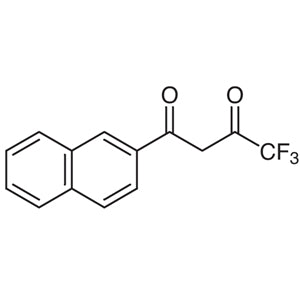
- TCI T1583 893-33-4 4,4,4-Trifluoro-1-(2-naphthyl)-1,3-butanedione
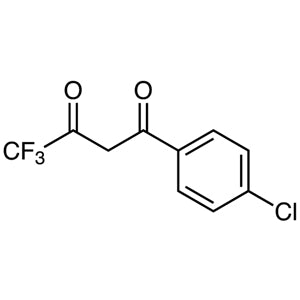
- TCI C3139 18931-60-7 1-(4-Chlorophenyl)-4,4,4-trifluoro-1,3-butanedione
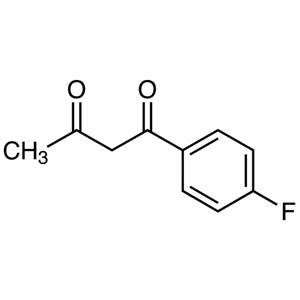
- TCI F0996 29681-98-9 1-(4-Fluorophenyl)-1,3-butanedione
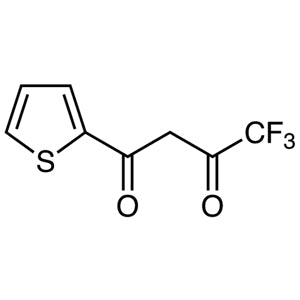
- TCI T0438 326-91-0 4,4,4-Trifluoro-1-(2-thienyl)-1,3-butanedione
- TCI T3654 421-53-4 2,2,2-Trifluoro-1,1-ethanediol (contains Total ca 35% Water)
- Organic synthesis in pharmaceutical research due to its ability to introduce fluorine atoms into complex molecular frameworks.
- Development of fluorinated materials for advanced polymer and coating applications because of its reactivity and stability.
- Fluorination studies in academic laboratories for understanding the impact of fluorine on molecular properties and reactivity.
- Synthesis of pharmaceutical intermediates where precise fluorine placement is crucial for drug efficacy and selectivity.
- Research in materials science for creating compounds with enhanced thermal and chemical resistance through controlled fluorination.
From the TCI brochure
- Metal extractant for lithium ion battery recycling
| Brand | TCI |
|---|---|
| CAS number | 326-06-7 |
| Molecular formula | — |
| Purity | — |
| Category | Chemistry > Building Blocks > Fluorinated Building Blocks |
| Pack sizes | Available in various quantities as per supplier specifications |
| Physical form | Solid |
| Storage | Store in a cool, dry place away from light and moisture |
Data from the TCI brochure
| Ukuran kemasan | 25g |
|---|
Source: TCI brochure FF164 (2024-01-16)
This compound should be stored in a cool, dry environment, away from direct light and moisture to maintain its chemical integrity. It is recommended to use airtight containers made of materials that are chemically inert, such as glass or high-density polyethylene, to prevent contamination and degradation. Due to its fluorinated nature, it is important to handle it with care, using appropriate personal protective equipment like gloves and safety goggles. In laboratory settings, it should be kept in a well-ventilated area to minimize exposure. Proper labeling and storage conditions are essential to ensure safe handling and prevent accidental reactions with other substances.
—
Produk Terkait
-
4,4,4-Trifluoro-1-(4-methoxyphenyl)-1,3-butanedione TCI T3283
Regular price From Rp 2.411.850,00Regular priceRp 1.702.050,00Sale price From Rp 2.411.850,00 -
4,4,4-Trifluoro-1-(2-naphthyl)-1,3-butanedione TCI T1583
Regular price From Rp 1.113.000,00Regular priceRp 793.800,00Sale price From Rp 1.113.000,00 -
1-(4-Chlorophenyl)-4,4,4-trifluoro-1,3-butanedione TCI C3139
Regular price From Rp 875.700,00Regular priceRp 627.900,00Sale price From Rp 875.700,00 -
1-(4-Fluorophenyl)-1,3-butanedione TCI F0996
Regular price Rp 1.881.600,00Regular priceRp 1.331.400,00Sale price Rp 1.881.600,00 -
4,4,4-Trifluoro-1-(2-thienyl)-1,3-butanedione TCI T0438
Regular price From Rp 1.618.050,00Regular priceRp 1.146.600,00Sale price From Rp 1.618.050,00 -
2,2,2-Trifluoro-1,1-ethanediol(containsTotalca35%Water) TCI T3654
Regular price From Rp 1.193.850,00Regular priceRp 834.750,00Sale price From Rp 1.193.850,00 -
2,2,2-Trifluoro-N-phenylacetamide TCI T3645
Regular price From Rp 1.538.250,00Regular priceRp 1.090.950,00Sale price From Rp 1.538.250,00 -
3,3,3-Trifluoro-2,2-dimethylpropionicAcid TCI T3450
Regular price Rp 4.001.550,00Regular priceRp 2.814.000,00Sale price Rp 4.001.550,00