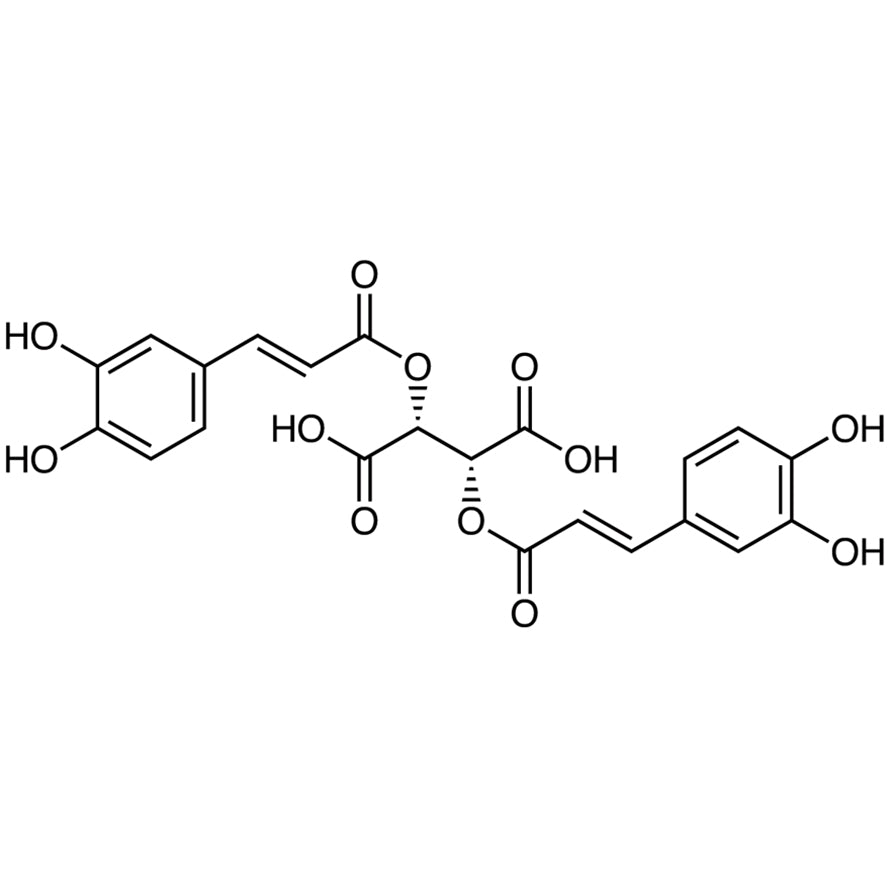
Chicoric Acid is a chemical compound widely used in scientific research, particularly in the fields of cell biology and nutrition. As a bioactive compound, it is commonly found in extracts of certain plants and has the potential to influence physiological and metabolic processes in organisms. In laboratory settings, Chicoric Acid serves as a key reagent for the synthesis of other compounds or as a test material in nutritional and pharmacological studies. Its chemical structure is complex, and its chemical properties are stable, making it suitable for a variety of research conditions.
One of the main reasons Chicoric Acid is preferred in laboratories is its antioxidant and anti-inflammatory properties. These characteristics make it a valuable tool in studies related to health and disease. Its ability to modulate biological activities also enhances its relevance in research that requires compounds with clear biological effects. Additionally, its stability under various experimental conditions ensures consistent results, which is crucial for reliable scientific outcomes.
In Indonesian laboratories, Chicoric Acid is commonly used in public health, nutritional, and pharmacological research. Researchers often employ this compound to explore the effects of natural substances on human and animal physiology. Its versatility and biological activity make it a preferred choice for studies aiming to understand the impact of plant-derived compounds on health and disease mechanisms. The compound's broad applications support its continued use in diverse scientific investigations.
TCI brochures (PDF)
- Phytochemicals 2025-12-17 · p. 8
- Reagents for Biological Research 2025-03-11 · p. 53
- Nutritional Research: Chicoric Acid is used to study the bioavailability and metabolic effects of plant-derived compounds in dietary contexts.
- Pharmacological Studies: It serves as a model compound to investigate the pharmacological properties of natural substances and their therapeutic potential.
- Cell Biology Experiments: Its role in modulating cellular processes makes it valuable for studying cellular responses to bioactive compounds.
- Health and Disease Research: The compound's antioxidant and anti-inflammatory properties are explored in studies related to chronic diseases and immune responses.
- Public Health Investigations: It is utilized to assess the impact of natural compounds on public health outcomes and nutritional status.
| Brand | TCI |
|---|---|
| CAS number | 70831-56-0 |
| Molecular formula | — |
| Purity | — |
| Category | Life Science > Cell Biology > Nutrition Research |
| Pack sizes | Available in various quantities as per standard laboratory supply |
| Physical form | Solid, crystalline powder |
| Storage | Store in a cool, dry place away from light and moisture |
Chicoric Acid should be stored in a cool, dry environment, away from direct light and moisture to maintain its chemical stability. It is recommended to use airtight containers to prevent exposure to air and humidity, which could affect its integrity. As a solid, crystalline powder, it should be handled with care to avoid contamination. In laboratory settings, it is important to ensure proper ventilation when working with the compound to minimize inhalation risks. Always use appropriate personal protective equipment, such as gloves and safety goggles, when handling or transferring Chicoric Acid. Proper storage and handling practices are essential to preserve its quality and ensure safe usage in research applications.
—
Product Categories
Produk Terkait
-
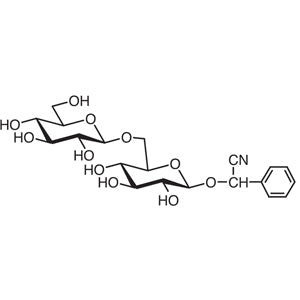
Amygdalin TCI A0443
Regular price From Rp 477.750,00Regular price -
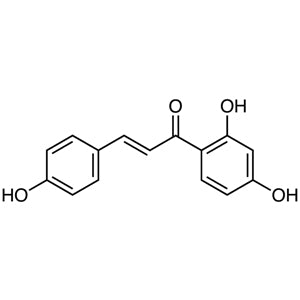
Isoliquiritigenin TCI I0822
Regular price From Rp 1.035.300,00Regular price -
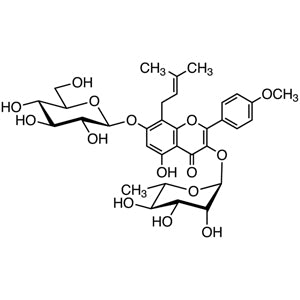
Icariin TCI I0862
Regular price From Rp 1.829.100,00Regular price -
Arbutin TCI A0522
Regular price From Rp 452.550,00Regular price -
AtropineSulfateMonohydrate TCI A0550
Regular price From Rp 1.856.400,00Regular price -
Zerumbone TCI Z0060
Regular price Rp 8.322.300,00Regular price -
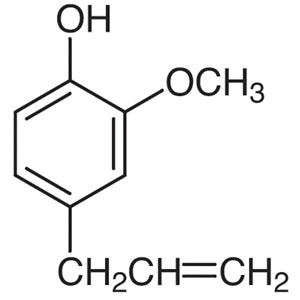
Eugenol TCI A0232
Regular price From Rp 505.050,00Regular price -
Allantoin TCI A0211
Regular price Rp 743.400,00Regular price