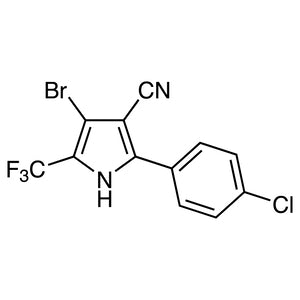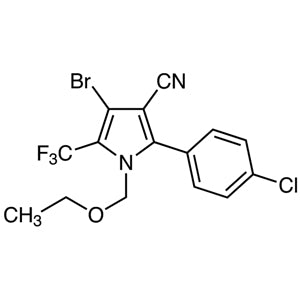
Chlorfenapyr, with the CAS number 122453-73-0, is a chemical compound widely used in life science research, particularly in cell biology and nutrition studies. It plays a crucial role in laboratories by serving as a test material for evaluating the effectiveness of compounds against various pests, including aphids, flies, and borers. Its strong insecticidal activity makes it an essential component in the development of pesticide products and the study of active ingredient mechanisms in pest control.
The compound is valued for its chemical stability and resistance to environmental degradation, which ensures reliable performance over time. These properties make it a preferred choice for researchers seeking consistent and dependable results. Additionally, its complex molecular structure provides opportunities for studying metabolism and toxicity, making it a versatile tool in both academic and industrial research settings.
In Indonesian laboratories, Chlorfenapyr is commonly used in agricultural research, environmental health studies, and biological sciences. Its application spans various fields, supporting both fundamental and applied research. The compound's reliability and effectiveness have made it a staple in many research facilities across Indonesia, contributing to advancements in pest management and biological studies.
TCI brochures (PDF)
- Agrochemical Ingredients for Research and Experimental Use 2026-01-08 · p. 5
- Plant Research Reagents 2026-02-24 · p. 12
- Pest control research utilizes Chlorfenapyr to test the efficacy of insecticides against various pest species, ensuring the development of effective and sustainable pest management strategies.
- Environmental toxicity studies benefit from Chlorfenapyr's stable chemical properties, allowing researchers to assess its impact on ecosystems and biological systems over time.
- Nutritional research incorporates Chlorfenapyr to study how chemical compounds affect organism behavior and physiology, providing insights into dietary and environmental interactions.
- Agricultural science applications rely on Chlorfenapyr to develop new pesticide formulations and evaluate their impact on crop health and pest resistance.
- Cellular and molecular biology experiments use Chlorfenapyr to investigate its biochemical interactions and potential applications in biotechnology and pharmaceutical research.
| Brand | TCI |
|---|---|
| CAS number | 122453-73-0 |
| Molecular formula | — |
| Purity | — |
| Category | Life Science > Cell Biology > Nutrition Research |
| Pack sizes | Available in various quantities as per supplier specifications |
| Physical form | Solid (as per standard product description) |
| Storage | Store in a cool, dry place away from direct sunlight and moisture |
Chlorfenapyr should be stored in a cool, dry environment to maintain its chemical stability and prevent degradation. It is recommended to keep the compound in a sealed container to avoid exposure to moisture and air, which can affect its integrity. Laboratory personnel should handle the material with care, using appropriate personal protective equipment such as gloves and safety goggles to minimize direct contact. Proper ventilation is essential when working with the compound to ensure safe handling. Storage should be in a location that is inaccessible to children and unauthorized individuals. Regular monitoring of storage conditions is advised to ensure the material remains in optimal condition for research use.
—
Produk Terkait
-
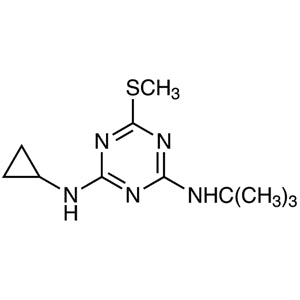
2-(tert-Butylamino)-4-(cyclopropylamino)-6-(methylthio)-1,3,5-triazine TCI I0842
Regular price Rp 1.696.800,00Regular priceRp 1.202.250,00Sale price Rp 1.696.800,00 -
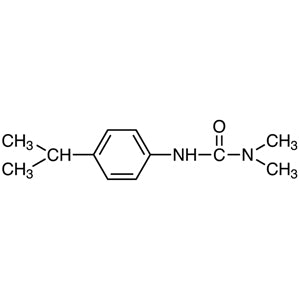
Isoproturon TCI I0843
Regular price Rp 1.351.350,00Regular priceRp 960.750,00Sale price Rp 1.351.350,00 -
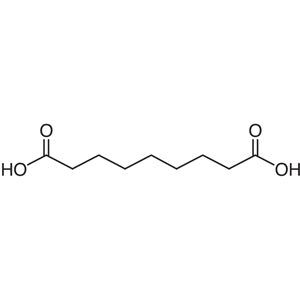
AzelaicAcid TCI A0561
Regular price Rp 557.550,00Regular priceRp 405.300,00Sale price Rp 557.550,00 -
AbieticAcid TCI A0001
Regular price Rp 1.563.450,00Regular priceRp 1.108.800,00Sale price Rp 1.563.450,00 -
Sulfentrazone TCI U0110
Regular price Rp 2.464.350,00Regular priceRp 1.738.800,00Sale price Rp 2.464.350,00 -
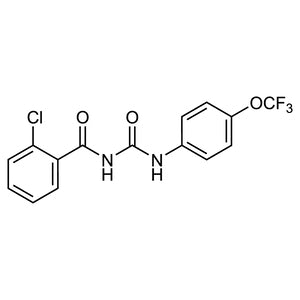
Triflumuron TCI T4364
Regular price Rp 1.272.600,00Regular priceRp 905.100,00Sale price Rp 1.272.600,00 -
Tralopyril TCI T4109
Regular price Rp 2.782.500,00Regular priceRp 1.961.400,00Sale price Rp 2.782.500,00 -
Tribenuron-methyl TCI T4085
Regular price Rp 2.411.850,00Regular priceRp 1.702.050,00Sale price Rp 2.411.850,00