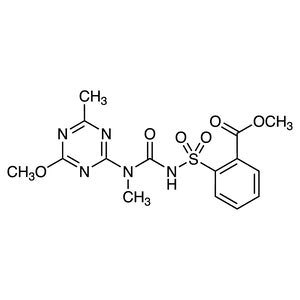
Cyazofamid is a chemical compound widely utilized in laboratory research, particularly in the fields of nutrition and cell biology. It serves as an active ingredient in experiments aimed at inhibiting the growth of specific microorganisms, especially fungi. Its role in scientific studies is crucial for understanding microbial control mechanisms and evaluating the effectiveness of antimicrobial agents. This compound is commonly found in research settings where microbial growth inhibition and bioactive substance testing are essential.
One of the key reasons for its popularity is its chemical stability and solubility in organic solvents such as ethyl acetate and acetone. These properties make it highly versatile for use in various chemical and biochemical analyses. Additionally, Cyazofamid exhibits good thermal stability, which allows it to be stored and used under a wide range of laboratory conditions. Its safety profile, being non-toxic when handled properly, further enhances its appeal for scientific research.
In Indonesian laboratories, Cyazofamid is frequently employed in studies related to nutrition and microbiology. Researchers use it to explore the mechanisms of cellular defense against infections and to develop more effective antimicrobial strategies. Its reliability and consistent performance make it a preferred choice for both academic and applied research projects.
TCI brochures (PDF)
- Agrochemical Ingredients for Research and Experimental Use 2026-01-08 · p. 4
- Plant Research Reagents 2026-02-24 · p. 11
- Microbial Growth Inhibition Studies: Cyazofamid is ideal for testing the effectiveness of antimicrobial agents against fungal growth, providing reliable results in controlled environments.
- Nutritional Research: It is used to investigate the impact of bioactive compounds on microbial metabolism, aiding in the development of functional food and dietary supplements.
- Cell Culture Experiments: Its ability to inhibit fungal growth makes it useful in cell culture settings where microbial contamination must be minimized.
- Biochemical Analysis: The compound's solubility in organic solvents facilitates its use in various analytical techniques, including spectroscopy and chromatography.
- Antimicrobial Efficacy Testing: Cyazofamid is employed to evaluate the potency of new antimicrobial formulations, supporting the development of novel therapeutic agents.
| Brand | TCI |
|---|---|
| CAS number | 120116-88-3 |
| Molecular formula | — |
| Purity | — |
| Category | Life Science > Cell Biology > Nutrition Research |
| Pack sizes | Available in various quantities as per standard laboratory supply |
| Physical form | Solid |
| Storage | Store in a cool, dry place away from direct sunlight |
Cyazofamid should be stored in a cool, dry place, away from direct sunlight and sources of heat. It is recommended to keep it in airtight containers to prevent moisture absorption and contamination. Due to its chemical stability, it does not require refrigeration, but it should be handled with care to avoid exposure to incompatible substances. In laboratory settings, it is important to use appropriate personal protective equipment when handling the compound. Regular monitoring of storage conditions ensures the compound remains effective and safe for use in research applications. Proper labeling of containers is essential to maintain safety and prevent accidental misuse.
—
Produk Terkait
-
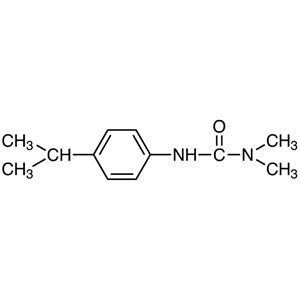
Isoproturon TCI I0843
Regular price From Rp 1.351.350,00Regular priceRp 960.750,00Sale price From Rp 1.351.350,00 -
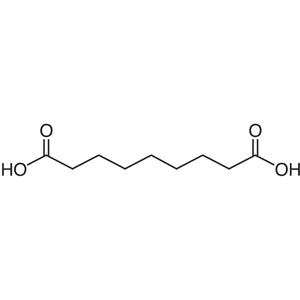
AzelaicAcid TCI A0561
Regular price From Rp 557.550,00Regular priceRp 405.300,00Sale price From Rp 557.550,00 -
AbieticAcid TCI A0001
Regular price From Rp 1.563.450,00Regular priceRp 1.108.800,00Sale price From Rp 1.563.450,00 -
Sulfentrazone TCI U0110
Regular price From Rp 2.464.350,00Regular priceRp 1.738.800,00Sale price From Rp 2.464.350,00 -
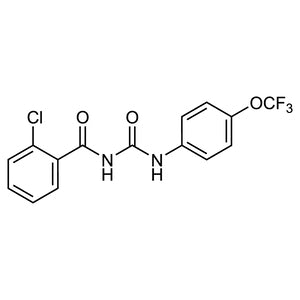
Triflumuron TCI T4364
Regular price From Rp 1.272.600,00Regular priceRp 905.100,00Sale price From Rp 1.272.600,00 -
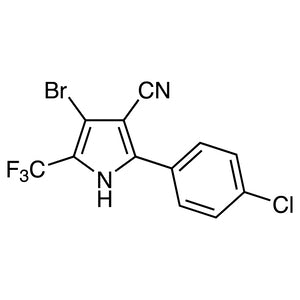
Tralopyril TCI T4109
Regular price From Rp 2.782.500,00Regular priceRp 1.961.400,00Sale price From Rp 2.782.500,00 -
Tribenuron-methyl TCI T4085
Regular price From Rp 2.411.850,00Regular priceRp 1.702.050,00Sale price From Rp 2.411.850,00