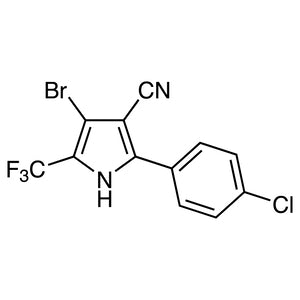
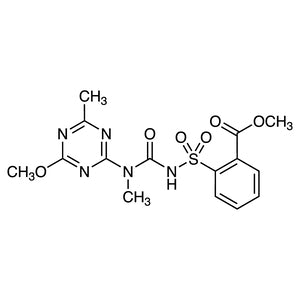
Clothianidin is a chemical compound widely utilized in nutritional and cell biology research. As a highly effective insecticide, it functions by disrupting the nervous system of insects, making it a valuable tool in studies exploring the interaction between nutrition and biological activity. In laboratory settings, Clothianidin serves as a key reagent for investigating the impact of chemical substances on the growth and development of organisms. Its role extends to testing the efficacy of chemical agents against microbial or test animal life, contributing to a broader understanding of biochemical interactions.
The chemical properties of Clothianidin make it a preferred choice for researchers. It exhibits chemical stability and good solubility in organic solvents, which facilitates its dissolution and application across various analytical methods. These characteristics ensure consistent performance in experiments, enhancing the reliability of results. Additionally, Clothianidin has a relatively high level of safety when used appropriately, making it suitable for laboratory environments where precision and safety are paramount. This combination of effectiveness and safety positions it as a reliable component in scientific research.
In Indonesian laboratories, Clothianidin is commonly used for research purposes, including studies on the effects of chemical substances on health. Its application spans across nutritional studies and biological research, supporting investigations into the impact of chemical exposure on living organisms. The compound’s versatility and reliability make it a preferred choice for researchers seeking accurate and consistent results in their experiments.
- Nutritional Research: Clothianidin is used to study the effects of chemical substances on biological systems, aiding in understanding nutrient interactions and metabolic processes.
- Insecticide Testing: It serves as a standard compound for evaluating the efficacy of insecticides against various insect species in controlled environments.
- Microbial Activity Analysis: Clothianidin helps in assessing the impact of chemical agents on microbial growth, supporting research in microbiology and environmental science.
- Biological Toxicity Studies: It is employed to investigate the toxicity of chemical compounds on test organisms, contributing to safety and environmental impact assessments.
- Cell Culture Experiments: The compound is used in cell biology research to examine how chemical exposure affects cellular function and development.
| Brand | TCI |
|---|---|
| CAS number | 210880-92-5 |
| Molecular formula | — |
| Purity | — |
| Category | Life Science > Cell Biology > Nutrition Research |
| Pack sizes | Available in various quantities as per supplier specifications |
| Physical form | Solid powder |
| Storage | Store in a cool, dry place away from direct sunlight |
Clothianidin should be stored in a cool, dry place, away from direct sunlight and sources of heat. It is recommended to use airtight containers to prevent moisture absorption and maintain chemical integrity. Proper labeling of storage containers is essential for safety and traceability. Laboratory personnel should wear appropriate personal protective equipment, such as gloves and safety goggles, when handling the compound. It is important to ensure good ventilation in the workspace to minimize exposure. Clothianidin should not be stored near incompatible materials, such as strong acids or bases, to prevent chemical reactions. Following these guidelines ensures safe and effective use in laboratory settings.
—
Produk Terkait
-
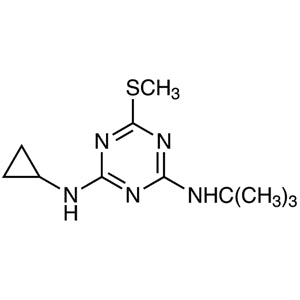
2-(tert-Butylamino)-4-(cyclopropylamino)-6-(methylthio)-1,3,5-triazine TCI I0842
Regular price From Rp 1.644.300,00Regular price -
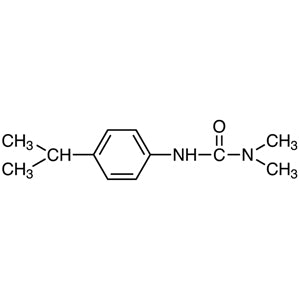
Isoproturon TCI I0843
Regular price From Rp 1.298.850,00Regular price -
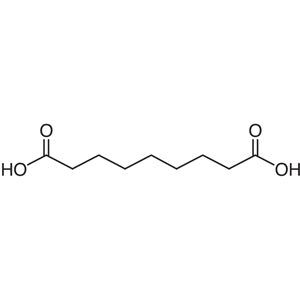
AzelaicAcid TCI A0561
Regular price From Rp 505.050,00Regular price -
AbieticAcid TCI A0001
Regular price From Rp 1.510.950,00Regular price -
Sulfentrazone TCI U0110
Regular price From Rp 2.411.850,00Regular price -
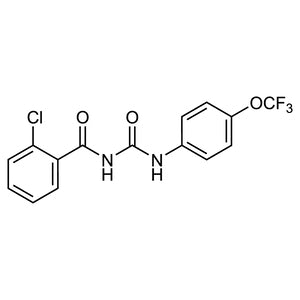
Triflumuron TCI T4364
Regular price From Rp 1.220.100,00Regular price -
Tralopyril TCI T4109
Regular price From Rp 2.730.000,00Regular price -
Tribenuron-methyl TCI T4085
Regular price From Rp 2.359.350,00Regular price