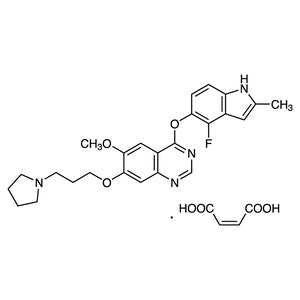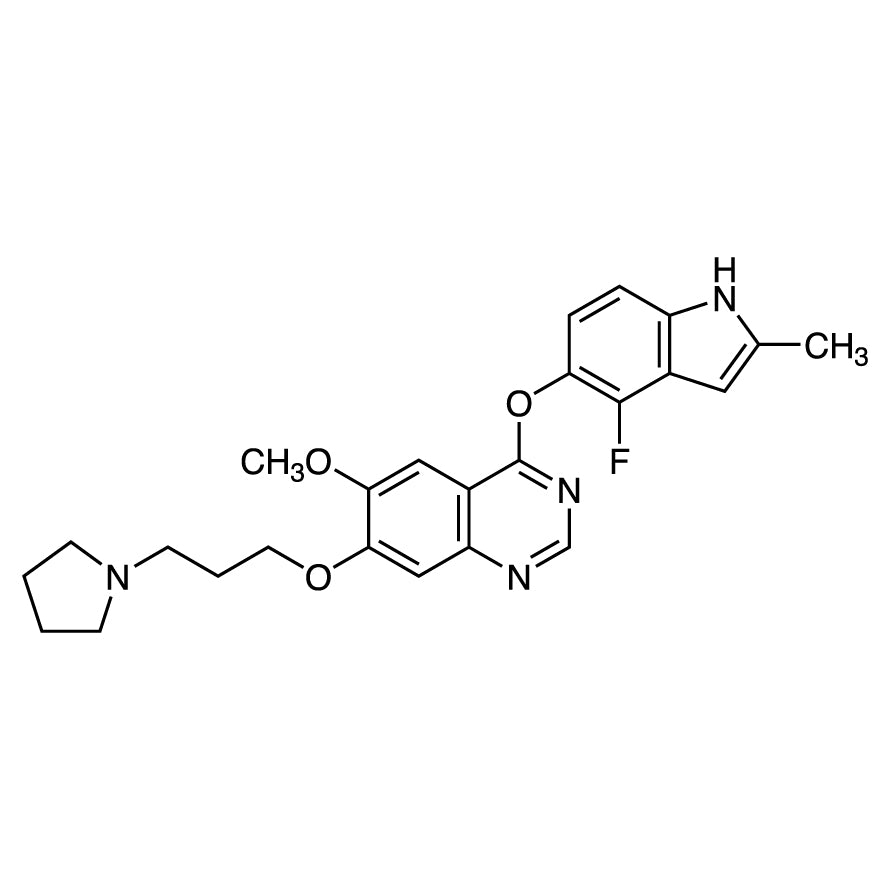
TCI C3918 288383-20-0 Cediranib is a chemical compound widely used in cancer research to inhibit the growth of cancer cells. As a tyrosine kinase inhibitor, Cediranib targets specific proteins involved in the proliferation and metastasis of cancer cells. This compound plays a critical role in laboratory settings where researchers are investigating the molecular mechanisms underlying cancer progression. Its application extends to various experimental models, making it an essential tool for scientists working in cell biology and oncology.
Cediranib is preferred due to its chemical stability and solubility in organic solvents, which allows it to be easily incorporated into a wide range of experimental protocols. Its high biological activity ensures reliable results in assays designed to evaluate its effects on cell behavior. The compound's specificity and effectiveness make it a top choice for researchers seeking compounds with strong therapeutic potential. Additionally, its consistent performance across different experimental conditions enhances its reliability in both academic and industrial research environments.
In Indonesian laboratories, Cediranib is commonly used by researchers specializing in cancer and cell biology. It supports studies aimed at understanding disease mechanisms and developing new therapeutic strategies. With the support of AMI Scientific, researchers can access high-quality materials necessary for accurate and reproducible experiments. Its presence in Indonesian research facilities highlights its importance in advancing cancer research and related biomedical fields.
TCI brochures (PDF)
- Receptor Tyrosine Kinase (RTK) Inhibitors 2026-04-06 · p. 2
- Cancer Cell Proliferation Studies: Cediranib is used to investigate how it inhibits the growth of cancer cells, providing insights into potential therapeutic targets.
- Metastasis Research: The compound helps researchers understand the molecular pathways involved in cancer cell migration and spread.
- Drug Development Testing: Cediranib is employed in screening assays to evaluate its efficacy and mechanism of action in various cancer models.
- Biological Activity Assays: It is used to assess its impact on cell signaling pathways, making it valuable in studying cellular responses to targeted therapies.
- Preclinical Research: Cediranib supports the development of new cancer treatments by enabling the testing of its effects in controlled experimental conditions.
| Brand | TCI |
|---|---|
| CAS number | 288383-20-0 |
| Molecular formula | — |
| Purity | — |
| Category | Life Science > Cell Biology > Cancer Research |
| Pack sizes | Available in various quantities as per standard laboratory requirements |
| Physical form | Solid |
| Storage | Store in a cool, dry place away from light |
Cediranib should be stored in a cool, dry environment, away from direct light and sources of heat. It is recommended to use airtight containers to prevent moisture absorption and contamination. Due to its chemical nature, it should be handled with appropriate personal protective equipment, such as gloves and safety goggles, to ensure laboratory safety. The compound is stable under standard storage conditions but should be kept in a secure location to prevent accidental exposure. Proper labeling of containers is essential to maintain safety and clarity in the laboratory setting. Regular monitoring of storage conditions ensures the integrity of the compound remains unaffected over time.
—
Produk Terkait
-
CediranibMaleate TCI R0277
Regular price From Rp 3.392.550,00Regular price -
Imatinib TCI I0906
Regular price From Rp 1.326.150,00Regular price -
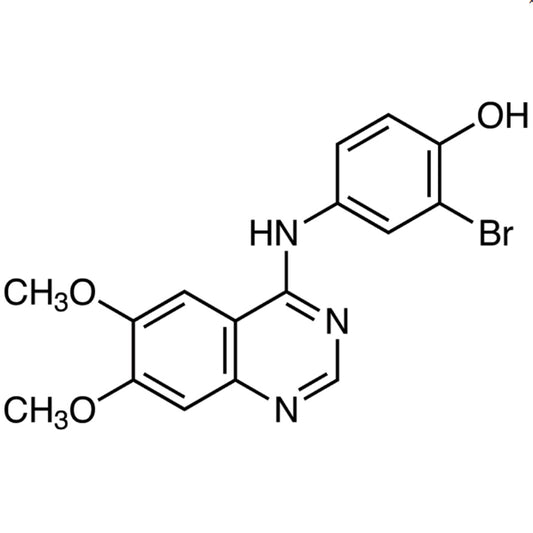
WHI-P180Hydrochloride TCI W0021
Regular price Rp 3.340.050,00Regular price -
WHI-P154 TCI W0013
Regular price From Rp 2.491.650,00Regular price -
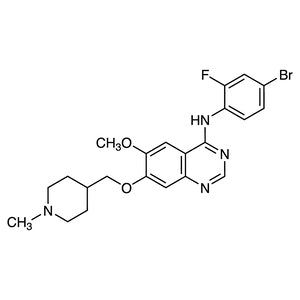
Vandetanib TCI V0199
Regular price From Rp 2.121.000,00Regular price -
SU1498 TCI U0103
Regular price From Rp 3.578.400,00Regular price -
SunitinibMalate TCI U0095
Regular price Rp 3.021.900,00Regular price -
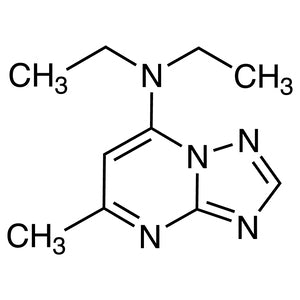
Trapidil TCI T4243
Regular price From Rp 3.630.900,00Regular price