2-(2-Chlorophenyl)-2-hydroxyacetic acid is a versatile organic compound widely used in laboratory settings for its reactivity and structural versatility. This compound serves as a building block in the synthesis of various organic molecules, playing a key role in chemical reactions that require both hydroxyl and chloro functional groups. Its presence in chemical reactions enables the formation of complex structures, making it an essential tool for researchers working in synthetic chemistry. Due to its functional group diversity, it is frequently utilized in the development of pharmaceuticals, industrial chemicals, and other specialized compounds.
The compound’s unique properties stem from its molecular structure, which includes a hydroxyl group and a chloro substituent on a phenyl ring. These functional groups contribute to its reactivity, allowing it to participate in multiple types of chemical transformations such as substitution, esterification, and condensation reactions. The hydroxyl group enhances its polarity, while the chloro group influences its reactivity and solubility characteristics. These features make it a preferred choice for chemists seeking to modify or create new compounds with specific properties.
In Indonesian laboratories, 2-(2-Chlorophenyl)-2-hydroxyacetic acid is commonly used in research related to pharmaceutical development, organic synthesis, and chemical engineering. Its availability in various packaging options ensures that it can be used effectively in both small-scale and large-scale experiments. Its role in advancing scientific research is significant, particularly in the fields of drug discovery and chemical innovation.
Related TCI products
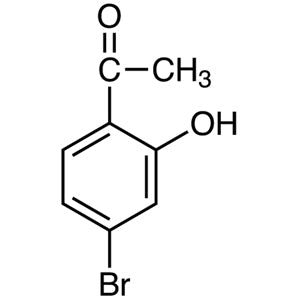
- TCI B5382 30186-18-6 4'-Bromo-2'-hydroxyacetophenone
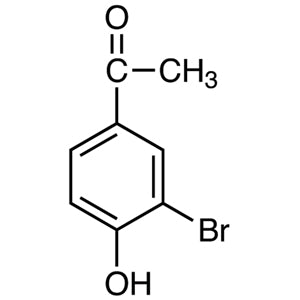
- TCI B5158 1836-06-2 3'-Bromo-4'-hydroxyacetophenone
- TCI B4735 2491-36-3 2-Bromo-2'-hydroxyacetophenone
- TCI B4115 2491-38-5 2-Bromo-4'-hydroxyacetophenone
- TCI A3049 54255-50-4 3'-Amino-4'-hydroxyacetophenone
- TCI D5020 17044-70-1 3',5'-Dichloro-4'-hydroxyacetophenone
- Organic synthesis is a primary application where this compound serves as a key intermediate in the creation of complex molecules, especially in pharmaceutical and industrial chemical development.
- Pharmaceutical research benefits from its use in the synthesis of drug compounds, where its functional groups enable the formation of active pharmaceutical ingredients.
- Chemical modification projects often utilize this compound due to its reactivity and ability to participate in various chemical transformations.
- Industrial chemical production relies on this compound for the development of specialty chemicals and materials with specific functional properties.
- Academic research in chemistry and pharmacology frequently incorporates this compound to explore new synthetic pathways and molecular structures.
| Brand | TCI |
|---|---|
| CAS number | 10421-85-9 |
| Molecular formula | — |
| Purity | — |
| Category | Chemistry > Building Blocks > Non-Heterocyclic Building Blocks |
| Pack sizes | Available in various packaging options to suit different experimental needs |
| Physical form | Solid (exact form may vary depending on supplier) |
| Storage | Store in a cool, dry place away from light and moisture |
This compound should be stored in a cool, dry environment, away from direct sunlight and sources of heat. It is recommended to keep it in a sealed container to prevent moisture absorption and maintain its chemical integrity. Due to its reactivity, it should be handled with care, using appropriate personal protective equipment such as gloves and safety goggles. It is important to ensure that the storage area is well-ventilated to minimize exposure to vapors. Avoid contact with incompatible materials, such as strong oxidizers or acids, to prevent unwanted chemical reactions. Proper labeling of containers is essential for safe handling and to prevent accidental misuse in the laboratory.
—
Produk Terkait
-
4'-Bromo-2'-hydroxyacetophenone TCI B5382
Regular price From Rp 823.200,00Regular price -
3'-Bromo-4'-hydroxyacetophenone TCI B5158
Regular price Rp 2.862.300,00Regular price -
2-Bromo-2'-hydroxyacetophenone TCI B4735
Regular price From Rp 1.565.550,00Regular price -
2-Bromo-4'-hydroxyacetophenone TCI B4115
Regular price From Rp 823.200,00Regular price -
3'-Amino-4'-hydroxyacetophenone TCI A3049
Regular price Rp 5.750.850,00Regular price -
3',5'-Dichloro-4'-hydroxyacetophenone TCI D5020
Regular price From Rp 2.491.650,00Regular price -
3',5'-Dichloro-2'-hydroxyacetophenone TCI D4742
Regular price From Rp 1.008.000,00Regular price -
3',5'-Dibromo-2'-hydroxyacetophenone TCI D4637
Regular price Rp 955.500,00Regular price