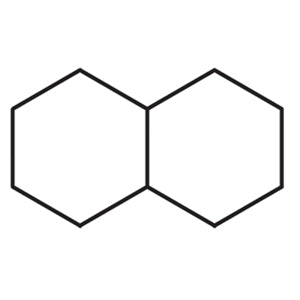
Decahydronaphthalene (cis- and trans- mixture), with the CAS number 91-17-8, is a chemical compound widely used in laboratory settings, particularly in organic and analytical chemistry. It is a hydrocarbon solvent known for its non-polar nature and chemical stability. This compound is commonly employed as a solvent in various experimental procedures due to its inertness and ability to dissolve non-polar substances. Its molecular structure consists of ten hydrogen atoms attached to a naphthalene framework, making it a versatile component in chemical synthesis and analysis.
The properties of decahydronaphthalene make it a preferred choice in laboratory applications. It has a high boiling point and is non-volatile, which ensures stability during prolonged use. Its non-reactive nature allows it to be used in environments where chemical interactions need to be minimized. Additionally, its ability to dissolve organic compounds such as oils, fats, and aromatic substances makes it an essential tool for researchers. These characteristics make it ideal for applications requiring a stable and inert solvent.
In Indonesian laboratories, decahydronaphthalene is frequently used in organic chemistry research, chromatographic analysis, and other analytical procedures. Its reliability and consistent performance make it a trusted material for scientists and researchers. It is particularly useful in applications where a non-interfering solvent is required, ensuring accurate and reproducible results in chemical experiments. Its availability through suppliers like AMI Scientific supports its widespread use in both academic and industrial research settings.
Related TCI products
- TCI D1738 91-17-8 Decahydronaphthalene (cis- and trans- mixture) [Testing Methods for Sulfur in Crude Oil and Petroleum Products]
- TCI D0007 493-02-7 trans-Decahydronaphthalene
- TCI D0009 493-01-6 cis-Decahydronaphthalene
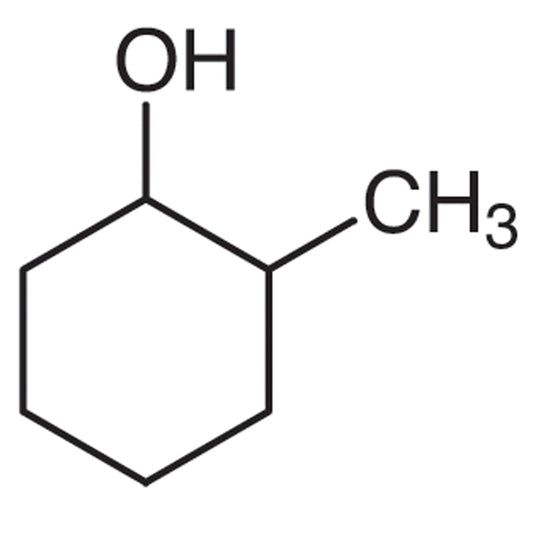
- TCI M0194 583-59-5 2-Methylcyclohexanol (cis- and trans- mixture)
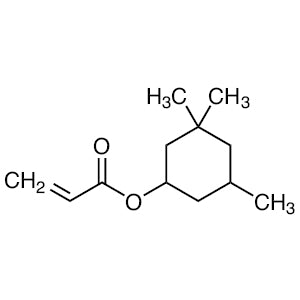
- TCI T3984 86178-38-3 3,3,5-Trimethylcyclohexyl Acrylate (cis- and trans- mixture) (stabilized with MEHQ)
- TCI T3678 56287-83-3 3-(Trifluoromethyl)cyclohexylamine (cis- and trans- mixture)
- Organic synthesis experiments benefit from decahydronaphthalene due to its non-reactive nature and ability to dissolve a wide range of organic compounds.
- Chromatographic analysis relies on this solvent for its stability and non-polar characteristics, aiding in the separation of complex mixtures.
- Solvent for dissolving aromatic hydrocarbons makes it ideal for use in spectroscopic and analytical techniques requiring non-polar solvents.
- It is commonly used in the preparation of chemical reagents and intermediates where inert solvents are necessary to prevent unwanted side reactions.
- Its high boiling point and low volatility make it suitable for applications requiring long-term stability under controlled laboratory conditions.
| Brand | TCI |
|---|---|
| CAS number | 91-17-8 |
| Molecular formula | — |
| Purity | — |
| Category | Chemistry > Solvents > Hydrocarbon Solvents |
| Pack sizes | Available in various quantities as per supplier specifications |
| Physical form | Liquid |
| Storage | Store in a cool, dark place away from heat and direct sunlight |
Decahydronaphthalene should be stored in a cool, dark location, away from heat and direct sunlight to maintain its stability. It is recommended to use airtight containers made of glass or stainless steel to prevent contamination and evaporation. Due to its non-polar nature, it is not reactive with most common laboratory chemicals, but general safety precautions should still be followed. Proper labeling and secure storage are essential to ensure safe handling. Laboratory personnel should always wear appropriate personal protective equipment when working with this compound to minimize exposure risks.
—
Product Categories
Produk Terkait
-
Decahydronaphthalene(cis-andtrans-mixture)[TestingMethodsforSulfurinCrudeOilandPetroleumProducts] TCI D1738
Regular price Rp 795.900,00Regular priceRp 556.500,00Sale price Rp 795.900,00 -
trans-Decahydronaphthalene TCI D0007
Regular price From Rp 928.200,00Regular priceRp 648.900,00Sale price From Rp 928.200,00 -
cis-Decahydronaphthalene TCI D0009
Regular price From Rp 1.353.450,00Regular priceRp 946.050,00Sale price From Rp 1.353.450,00 -
2-Methylcyclohexanol(cis-andtrans-mixture) TCI M0194
Regular price From Rp 505.050,00Regular priceRp 352.800,00Sale price From Rp 505.050,00 -
3,3,5-TrimethylcyclohexylAcrylate(cis-andtrans-mixture)(stabilizedwithMEHQ) TCI T3984
Regular price From Rp 1.510.950,00Regular priceRp 1.056.300,00Sale price From Rp 1.510.950,00 -
3-(Trifluoromethyl)cyclohexylamine(cis-andtrans-mixture) TCI T3678
Regular price From Rp 1.988.700,00Regular priceRp 1.405.950,00Sale price From Rp 1.988.700,00 -
4-(Trifluoromethyl)cyclohexylamine(cis-andtrans-mixture) TCI T3613
Regular price From Rp 1.298.850,00Regular priceRp 924.000,00Sale price From Rp 1.298.850,00 -
Trimethyl1,3,5-Cyclohexanetricarboxylate(cis-andtrans-mixture) TCI T3033
Regular price From Rp 5.274.150,00Regular priceRp 3.687.600,00Sale price From Rp 5.274.150,00
![Decahydronaphthalene (cis- and trans- mixture) [Testing Methods for Sulfur in Crude Oil and Petroleum Products] (CAS 91-17-8) - TCI D1738 - AMI Scientific](http://amiscientific.com/cdn/shop/files/TCI2510D1738.jpg?v=1769144048&width=533)