9-(4'-Dimethylaminophenyl)-2,6,7-trihydroxyfluorone Sulfate is a versatile organic compound widely used in chemical and material science experiments. It belongs to the class of xanthene dyes, which are known for their unique fluorescent properties. This compound plays a crucial role in the development of optical and photonic materials, serving as a key component in various research applications. Its ability to emit light under specific conditions makes it an essential tool for scientists working in the field of fluorescence-based technologies.
The compound's strong fluorescence and stability under varying pH and temperature conditions make it a preferred choice for researchers. Its molecular structure allows for interactions with different chemical environments, enhancing its applicability in diverse experimental setups. The compound's high fluorescence intensity enables its use in advanced spectroscopic techniques such as fluorescence and phosphorescence analysis. This makes it ideal for applications that require precise optical measurements and reliable data collection.
In Indonesian laboratories, this compound is commonly used in optical material research and chemical analysis. Its availability and reliability have made it a go-to material for scientists conducting experiments related to sensor development, environmental monitoring, and optical imaging. Its adaptability to various experimental conditions ensures that it remains a valuable asset in both academic and industrial research settings.
Related TCI products
- TCI B6255 887919-35-9 Bis[di-tert-butyl(4-dimethylaminophenyl)phosphine]dichloropalladium(II)
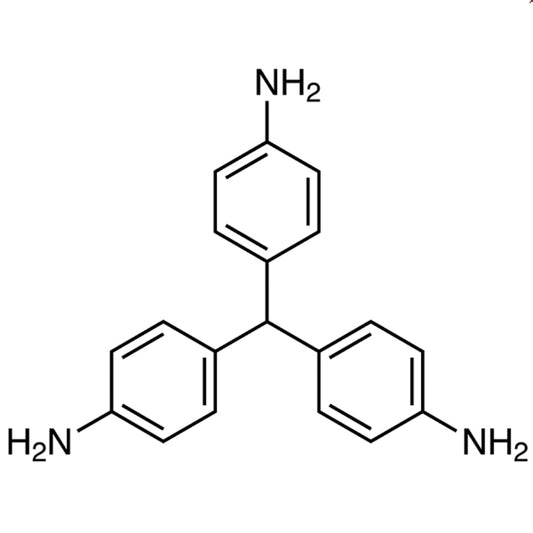
- TCI T3599 548-61-8 Tris(4-aminophenyl)methane
- TCI T2947 60532-63-0 Tetrakis(4-aminophenyl)methane
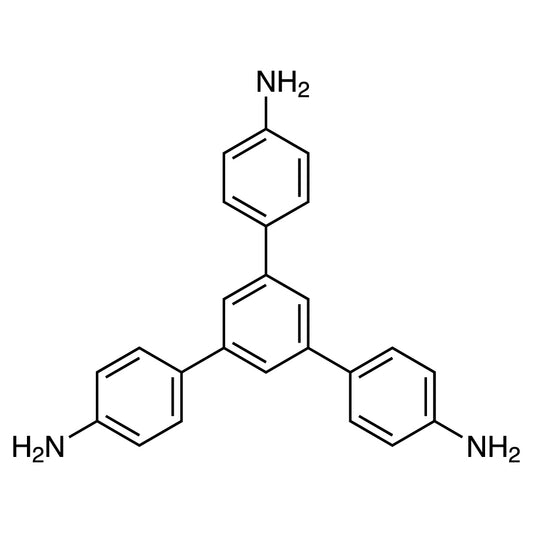
- TCI T2728 118727-34-7 1,3,5-Tris(4-aminophenyl)benzene
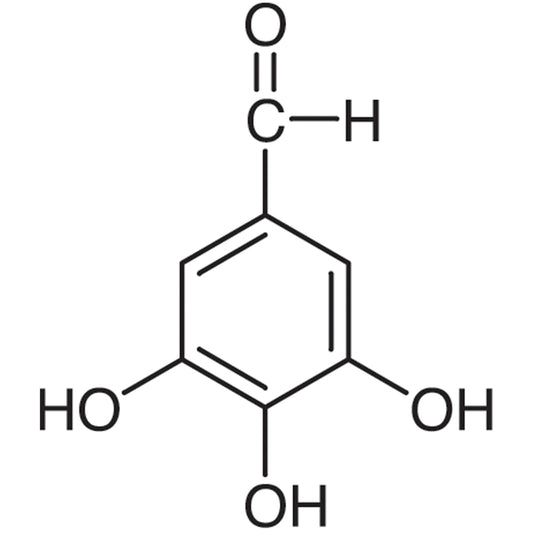
- TCI T2650 13677-79-7 3,4,5-Trihydroxybenzaldehyde
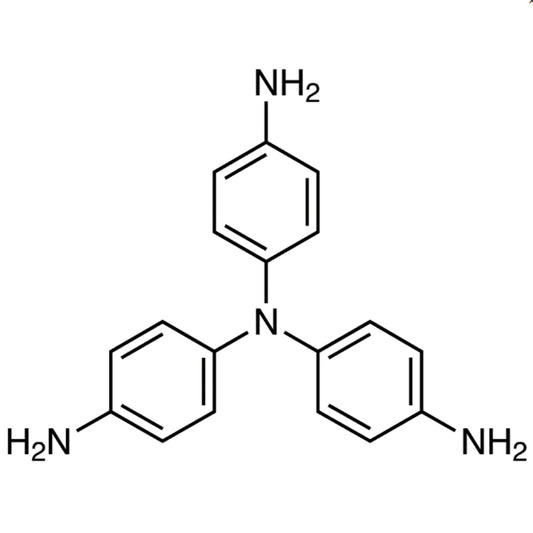
- TCI T2332 5981-09-9 Tris(4-aminophenyl)amine
- Optical sensor development benefits from its strong fluorescence properties, enabling precise detection of environmental changes.
- Environmental monitoring applications rely on its stability and fluorescence for tracking pollutants and chemical changes in samples.
- Chemical analysis experiments utilize its unique optical characteristics for accurate spectroscopic measurements.
- Photonic material research incorporates it as a key component in the development of advanced optical devices.
- Fluorescence imaging techniques use its high intensity to enhance image clarity and data accuracy in biological and material studies.
| Brand | TCI |
|---|---|
| CAS number | 71501-19-4 |
| Molecular formula | — |
| Purity | — |
| Category | Materials Science > Photonic Materials and Optical Materials > Xanthene Dyes |
| Pack sizes | Available in standard laboratory quantities |
| Physical form | Solid powder |
| Storage | Store in a cool, dry place away from light |
This compound should be stored in a cool, dry place away from direct light to maintain its stability and fluorescence properties. It is recommended to use airtight containers to prevent moisture absorption and contamination. Due to its chemical nature, it should be handled with appropriate personal protective equipment, such as gloves and safety goggles. Avoid exposure to high temperatures and ensure proper ventilation in the laboratory. The compound is not classified as hazardous under standard laboratory conditions, but standard safety protocols should still be followed when handling any chemical material. Proper storage ensures the compound remains effective for long-term use in research applications.
—
Product Categories
Produk Terkait
-
Bis[di-tert-butyl(4-dimethylaminophenyl)phosphine]dichloropalladium(II) TCI B6255
Regular price Rp 4.611.600,00Regular price -
Tris(4-aminophenyl)methane TCI T3599
Regular price From Rp 3.658.200,00Regular price -
Tetrakis(4-aminophenyl)methane TCI T2947
Regular price From Rp 1.856.400,00Regular price -
1,3,5-Tris(4-aminophenyl)benzene TCI T2728
Regular price From Rp 6.413.400,00Regular price -
3,4,5-Trihydroxybenzaldehyde TCI T2650
Regular price From Rp 4.133.850,00Regular price -
Tris(4-aminophenyl)amine TCI T2332
Regular price From Rp 3.075.450,00Regular price -
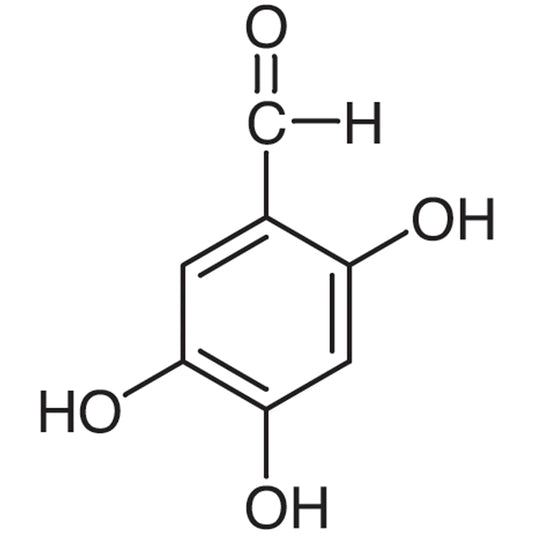
2,4,5-Trihydroxybenzaldehyde TCI T1766
Regular price From Rp 2.942.100,00Regular price -
2,4,6-Trihydroxybenzaldehyde TCI T1744
Regular price Rp 2.889.600,00Regular price
![Bis[di-tert-butyl(4-dimethylaminophenyl)phosphine]dichloropalladium(II) (CAS 887919-35-9) - TCI B6255 - AMI Scientific](http://amiscientific.com/cdn/shop/files/TCI2510B6255.jpg?v=1767093364&width=533)
![Bis[di-tert-butyl(4-dimethylaminophenyl)phosphine]dichloropalladium(II) - brosur TCI: Palladium Complex Catalyzing the Suzuki-Miyaura Coupling Reactions of Heteroaryl Chlorides](http://amiscientific.com/cdn/shop/files/TCI_Brochure_RR175_hal1.png?v=1791547479&width=533)