TCI D1328 3-(3,4-Dichlorophenyl)-1,1-dimethylurea is a substituted urea derivative widely known among researchers as an inhibitor of photosynthetic electron flow. The compound acts on photosystem II, the protein complex embedded in the thylakoid membrane responsible for splitting water and passing electrons onward to the next stage of the transport chain. By occupying the plastoquinone binding site on the D1 protein, it interrupts electron flow in a specific and measurable way. For this reason it has become a standard research tool in bioenergetics studies of plants, algae, and cyanobacteria, and is used to separate the contribution of each photosystem to the overall process.
The characteristics that make this compound a preferred choice are the specificity and reproducibility of its action. The inhibition it produces develops rapidly, occurs at a very clearly defined point in the electron transport chain, and generates a characteristic change in the chlorophyll fluorescence signal that is easy to follow with a fluorometer. The chlorinated aromatic ring gives the molecule lipophilic character that helps it cross membranes, while the dimethylurea group provides a hydrogen bonding pattern that matches the binding pocket. Together these features give consistent, interpretable results across repeated experiments.
In Indonesian laboratories the compound is typically found in university plant physiology and biochemistry groups, agricultural and plantation research institutes, and laboratories working on microalgae and aquatic ecosystems. It is generally used in small quantities as a reference inhibitor alongside fluorescence measurements or oxygen evolution assays, both in routine teaching practicals on photosynthesis and in postgraduate and institutional research projects that require a well-characterised control treatment.
TCI brochures (PDF)
- Agrochemical Ingredients for Research and Experimental Use 2026-01-08 · p. 2
- Plant Research Reagents 2026-02-24 · p. 10
- Reagents for Biological Research 2025-03-11 · p. 56
Related TCI products
- TCI D6141 3567-62-2 1-(3,4-Dichlorophenyl)-3-methylurea
- TCI D6180 709-98-8 N-(3,4-Dichlorophenyl)propionamide
- TCI A3468 1469924-27-3 3-[4'-(Dimethylamino)[1,1'-biphenyl]-3-yl]-1,1-dimethylurea
- TCI D3990 123707-26-6 1,3-Dimethoxy-1,3-dimethylurea
- TCI T4359 1154-59-2 3,5-Dichloro-N-(3,4-dichlorophenyl)-2-hydroxybenzamide
- TCI T1438 37083-37-7 5,10,15,20-Tetrakis(2,6-dichlorophenyl)porphyrin
- Photosystem II inhibition studies: it blocks the plastoquinone binding site on the D1 protein, giving a defined and reproducible interruption point in the electron transport chain.
- Chlorophyll fluorescence analysis: the compound produces a characteristic change in the fluorescence signal, allowing photosystem II activity to be monitored directly with a fluorometer.
- Plant bioenergetics research: it allows researchers to separate the individual contribution of each photosystem to the overall photosynthetic process under controlled experimental conditions.
- Algae and cyanobacteria studies: its lipophilic chlorinated aromatic ring supports membrane penetration, making it effective in intact microalgal and cyanobacterial cell suspensions.
- Teaching and reference control work: rapid onset and consistent inhibition make it a dependable positive control for practical classes and comparative photosynthesis experiments.
| Brand | TCI |
|---|---|
| CAS number | 330-54-1 |
| Molecular formula | — |
| Purity | — |
| Category | Life Science > Cell Biology > Nutrition Research |
| Pack sizes | available in the pack sizes listed in the current TCI catalogue for this item |
| Physical form | — |
| Storage | store according to the conditions stated on the manufacturer label and Safety Data Sheet |
- Chemical name: 3-(3,4-Dichlorophenyl)-1,1-dimethylurea
Store the container tightly closed in a cool, dry place away from direct sunlight, heat sources, and incompatible chemicals, following the conditions given on the manufacturer label and Safety Data Sheet. Keep the material in its original supplier container or in a clean, clearly labelled chemically resistant vessel, and protect it from moisture during storage. Handle in a well-ventilated area or fume hood, wearing gloves, safety glasses, and a laboratory coat. Avoid generating dust, avoid contact with skin and eyes, and wash hands thoroughly after use. Review the Safety Data Sheet before first use, and dispose of residues and contaminated materials through the laboratory's chemical waste procedure.
—
Produk Terkait
-
1-(3,4-Dichlorophenyl)-3-methylurea TCI D6141
Regular price Rp 6.386.100,00Regular price -
N-(3,4-Dichlorophenyl)propionamide TCI D6180
Regular price From Rp 1.749.300,00Regular price -
3-[4'-(Dimethylamino)[1,1'-biphenyl]-3-yl]-1,1-dimethylurea TCI A3468
Regular price Rp 6.042.750,00Regular price -
1,3-Dimethoxy-1,3-dimethylurea TCI D3990
Regular price Rp 4.584.300,00Regular price -
3,5-Dichloro-N-(3,4-dichlorophenyl)-2-hydroxybenzamide TCI T4359
Regular price From Rp 1.167.600,00Regular price -
5,10,15,20-Tetrakis(2,6-dichlorophenyl)porphyrin TCI T1438
Regular price Rp 7.659.750,00Regular price -
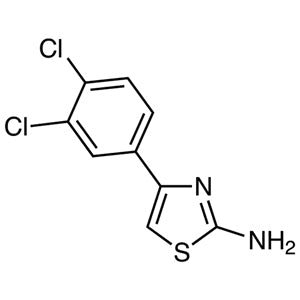
2-Amino-4-(3,4-dichlorophenyl)thiazole TCI A2906
Regular price Rp 4.347.000,00Regular price -
2,4-DichlorophenylIsocyanate TCI I0555
Regular price From Rp 823.200,00Regular price


![1469924-27-3 3-[4'-(Dimethylamino)[1,1'-biphenyl]-3-yl]-1,1-dimethylurea - AMI Scientific](http://amiscientific.com/cdn/shop/files/TCI2510A3468.jpg?v=1768815038&width=533)