3-[4'-(Dimethylamino)[1,1'-biphenyl]-3-yl]-1,1-dimethylurea is a chemical compound widely used in life science research, particularly in cell biology and the study of obesity and diabetes. This compound plays a crucial role in understanding the molecular mechanisms underlying metabolic disorders and their associated pathologies. Its unique chemical structure enables it to interact with various biological targets, including receptors and enzymes, making it a valuable tool for researchers aiming to explore disease mechanisms and develop therapeutic strategies.
The compound is known for its chemical stability and solubility in organic solvents, which facilitates its use in a variety of laboratory techniques such as chromatography, spectroscopy, and chemical reactions. These properties make it a preferred choice for researchers who require reliable and consistent results in their experiments. Additionally, its ability to modulate lipid metabolism and insulin response makes it an essential component in studies focused on metabolic diseases.
In Indonesian laboratories, this compound is commonly used in academic and industrial research settings to investigate the causes and potential treatments of metabolic disorders. It is frequently employed in experiments aimed at understanding the physiological and pathological roles of molecules in the body, as well as in pharmacological testing to assess the effects of various compounds on metabolic processes.
Related TCI products
- TCI D3990 123707-26-6 1,3-Dimethoxy-1,3-dimethylurea
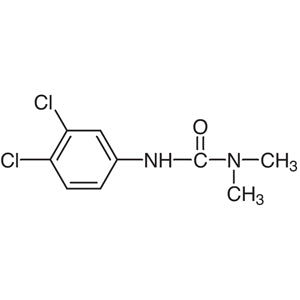
- TCI D1328 330-54-1 3-(3,4-Dichlorophenyl)-1,1-dimethylurea
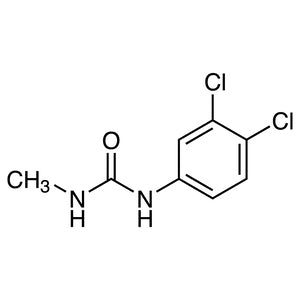
- TCI D6141 3567-62-2 1-(3,4-Dichlorophenyl)-3-methylurea
- TCI A0291 22525-43-5 4-Amino-4'-(N,N-dimethylamino)stilbene
- TCI T2898 33527-91-2 Tris[2-(dimethylamino)ethyl]amine
- TCI B4583 22291-04-9 N,N'-Bis[2-(dimethylamino)ethyl]-1,8:4,5-naphthalenetetracarboxdiimide
- Obesity and Diabetes Research: This compound is ideal for studying metabolic disorders due to its ability to modulate lipid metabolism and insulin response, aiding in the development of therapeutic strategies for metabolic diseases.
- Cell Biology Studies: It supports research on cellular mechanisms by interacting with biological targets such as receptors and enzymes, enabling the investigation of molecular pathways involved in disease progression.
- Pharmacological Testing: Its chemical stability and solubility make it suitable for pharmacological experiments aimed at assessing the effects of compounds on metabolic processes and disease models.
- Chromatography and Spectroscopy: The compound’s solubility in organic solvents allows it to be effectively used in analytical techniques like HPLC and NMR for compound identification and quantification.
- Metabolic Pathway Analysis: It facilitates the study of metabolic pathways by enabling the modulation of key enzymes and receptors involved in lipid and glucose metabolism.
| Brand | TCI |
|---|---|
| CAS number | 1469924-27-3 |
| Molecular formula | — |
| Purity | — |
| Category | Life Science > Cell Biology > Obesity and Diabetes Research |
| Pack sizes | Available in various quantities as per supplier specifications |
| Physical form | Solid powder |
| Storage | Store in a cool, dry place away from light and moisture |
This compound should be stored in a cool, dry environment, away from direct light and moisture to maintain its chemical stability. It is recommended to use airtight containers made of glass or high-density polyethylene to prevent contamination and degradation. In laboratory settings, it is important to handle the compound with appropriate personal protective equipment, including gloves and safety goggles, to ensure safety during handling and experimentation. Proper ventilation should be maintained when working with this compound to minimize exposure to vapors. Regular monitoring of storage conditions is advised to ensure the compound remains in optimal condition for research use.
—
Product Categories
Produk Terkait
-
1,3-Dimethoxy-1,3-dimethylurea TCI D3990
Regular price Rp 4.636.800,00Regular priceRp 3.258.150,00Sale price Rp 4.636.800,00 -
3-(3,4-Dichlorophenyl)-1,1-dimethylurea TCI D1328
Regular price From Rp 900.900,00Regular priceRp 645.750,00Sale price From Rp 900.900,00 -
1-(3,4-Dichlorophenyl)-3-methylurea TCI D6141
Regular price Rp 6.438.600,00Regular priceRp 4.518.150,00Sale price Rp 6.438.600,00 -
4-Amino-4'-(N,N-dimethylamino)stilbene TCI A0291
Regular price From Rp 1.988.700,00Regular priceRp 1.405.950,00Sale price From Rp 1.988.700,00 -
Tris[2-(dimethylamino)ethyl]amine TCI T2898
Regular price From Rp 2.254.350,00Regular priceRp 1.576.050,00Sale price From Rp 2.254.350,00 -
N,N'-Bis[2-(dimethylamino)ethyl]-1,8:4,5-naphthalenetetracarboxdiimide TCI B4583
Regular price Rp 5.221.650,00Regular priceRp 3.666.600,00Sale price Rp 5.221.650,00 -
2-Benzyl-2-(dimethylamino)-4'-morpholinobutyrophenone TCI B3914
Regular price From Rp 1.060.500,00Regular priceRp 757.050,00Sale price From Rp 1.060.500,00 -
1H-Benzotriazol-1-yloxytris(dimethylamino)phosphoniumHexafluorophosphate[CouplingReagentforPeptide] TCI B1651
Regular price From Rp 848.400,00Regular priceRp 609.000,00Sale price From Rp 848.400,00