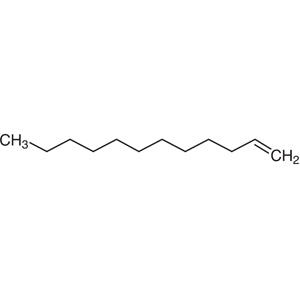
Dodecene-1 LAS is a chemical compound widely used in materials science and polymer chemistry. It serves as a key additive in the modification of polymer properties, enhancing the performance and quality of various polymer-based materials. In laboratory settings, this compound plays a crucial role in the development of advanced materials, particularly in the fields of plastics, rubber, and composite materials. Its ability to improve mechanical properties, thermal stability, and overall durability makes it an essential tool for researchers aiming to optimize polymer characteristics.
One of the main reasons Dodecene-1 LAS is preferred is its excellent solubility in organic solvents and high chemical stability. These properties allow it to maintain its integrity under a wide range of experimental conditions, making it a reliable choice for long-term studies. Additionally, its non-reactive nature minimizes the risk of unintended chemical reactions, ensuring safer and more predictable outcomes in laboratory experiments. This combination of stability and reactivity control makes it ideal for use in both academic and industrial research environments.
In Indonesian laboratories, Dodecene-1 LAS is commonly used in polymer modification research, both in educational institutions and industrial settings. It is particularly relevant for studies involving material development, where its ability to enhance polymer performance is highly valued. Its application extends to various research areas, including the creation of advanced composite materials and the improvement of polymer processing techniques. This compound is a vital component in the pursuit of innovation in polymer science within Indonesia.
TCI brochures (PDF)
- Polymer Additives 2026-04-16 · p. 10
- Polymer Modification Research: Dodecene-1 LAS is ideal for modifying polymer properties, enhancing mechanical strength and thermal stability in various material applications.
- Composite Material Development: It supports the creation of advanced composite materials by improving adhesion and durability between different polymer components.
- Plastic and Rubber Processing: This additive is used to improve the performance of plastics and rubber, making them more resistant to heat and mechanical stress.
- Educational Research Projects: It is widely used in academic settings to teach students about polymer science and material engineering principles.
- Industrial Product Enhancement: Dodecene-1 LAS is applied in industrial laboratories to develop high-performance materials for manufacturing and construction sectors.
| Brand | TCI |
|---|---|
| CAS number | 68628-60-4 |
| Molecular formula | — |
| Purity | — |
| Category | Materials Science > Polymer/Macromolecule Reagents > Polymer Additives |
| Pack sizes | Available in standard laboratory quantities as per supplier specifications |
| Physical form | Liquid |
| Storage | Store in a cool, dry place away from direct sunlight and incompatible materials |
Dodecene-1 LAS should be stored in a cool, dry environment, away from direct sunlight and sources of heat. It is recommended to use sealed containers made of materials compatible with organic solvents to prevent evaporation and contamination. Due to its chemical stability, it does not require refrigeration but should be kept in a well-ventilated area to ensure safe handling. Laboratory personnel should wear appropriate personal protective equipment, such as gloves and safety goggles, when handling this compound. It is important to avoid contact with skin and eyes, and to ensure proper ventilation when working with this material. Always follow standard laboratory safety protocols to minimize risks associated with chemical exposure.
—
Product Categories
Produk Terkait
-
1-Dodecene[StandardMaterialforGC] TCI S0342
Regular price Rp 2.121.000,00Regular price -
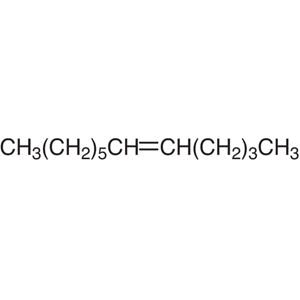
5-Dodecene TCI D2691
Regular price Rp 11.263.350,00Regular price -
1-Dodecene TCI D0974
Regular price From Rp 505.050,00Regular price -
BenzyldimethyltetradecylammoniumChloride TCI A0208
Regular price From Rp 610.050,00Regular price -
UndecafluorohexanoicAcid TCI U0067
Regular price From Rp 2.227.050,00Regular price -
Sodium1-Undecanesulfonate TCI U0031
Regular price Rp 3.287.550,00Regular price -
TrimethylnonylammoniumBromide TCI T2734
Regular price Rp 1.749.300,00Regular price -
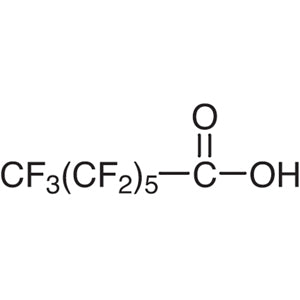
TridecafluoroheptanoicAcid TCI T1545
Regular price From Rp 1.776.600,00Regular price
![112-41-4 1-Dodecene [Standard Material for GC] - AMI Scientific](http://amiscientific.com/cdn/shop/files/TCI2510S0342.jpg?v=1769057675&width=533)