2,4-Dimethoxybenzyl Alcohol is a chemical compound widely used in laboratory settings for the synthesis of complex molecules. As a building block in organic chemistry, it plays a crucial role in the development of heterocyclic and aromatic compounds. This versatile reagent is commonly employed in substitution and oxidation reactions, making it an essential component in synthetic pathways. Its chemical structure allows for stable molecular interactions, enabling efficient participation in various reaction conditions. Due to its adaptability and reactivity, it is highly valued by researchers seeking to create new compounds with specific functional groups.
The compound is preferred for its excellent solubility in organic solvents, which simplifies its integration into synthetic processes. Its molecular stability ensures consistent performance across different experimental setups, while its chemical reactivity supports a wide range of applications. The presence of methoxy groups enhances its utility in functional group transformations, making it a go-to reagent for organic synthesis. Additionally, its predictable behavior in laboratory conditions contributes to the reliability of experimental outcomes.
In Indonesian laboratories, 2,4-Dimethoxybenzyl Alcohol is frequently used in organic chemistry research, particularly in pharmaceutical and material science fields. It is a key component in experiments involving aromatic structures and methoxy substitution. Its availability in the local market makes it a practical and efficient choice for researchers and institutions conducting advanced chemical studies.
Related TCI products
- Organic synthesis applications benefit from its role as a building block in creating complex aromatic and heterocyclic compounds.
- Pharmaceutical research utilizes it for the development of new drug molecules requiring methoxy and benzyl functional groups.
- Material science experiments leverage its reactivity in modifying polymer structures and creating functional materials.
- Analytical chemistry uses it as a standard in chromatographic and spectroscopic analyses for compound identification.
- Industrial chemical processes incorporate it in the production of specialty chemicals and intermediates for various industries.
| Brand | TCI |
|---|---|
| CAS number | 7314-44-5 |
| Molecular formula | — |
| Purity | — |
| Category | Chemistry > Building Blocks > Non-Heterocyclic Building Blocks |
| Pack sizes | Available in various quantities as per standard laboratory supply |
| Physical form | Liquid |
| Storage | Store in a cool, dry place away from light and incompatible materials |
This compound should be stored in a cool, dry environment, away from direct sunlight and sources of heat. It is recommended to use sealed containers made of materials compatible with organic solvents to prevent evaporation and contamination. Due to its chemical reactivity, it should be handled in a well-ventilated area, preferably under a fume hood, to minimize exposure. Laboratory personnel should wear appropriate personal protective equipment, including gloves and safety goggles, when handling this substance. Proper disposal methods should be followed to ensure compliance with environmental and safety regulations.
—
Produk Terkait
-
3,5-DimethoxybenzylAlcohol TCI D2594
Regular price From Rp 1.405.950,00Regular priceRp 998.550,00Sale price From Rp 1.405.950,00 -
2,3-DimethoxybenzylAlcohol TCI D1764
Regular price Rp 3.207.750,00Regular priceRp 2.258.550,00Sale price Rp 3.207.750,00 -
3,5-DimethoxybenzylBromide TCI D2657
Regular price From Rp 1.670.550,00Regular priceRp 1.167.600,00Sale price From Rp 1.670.550,00 -
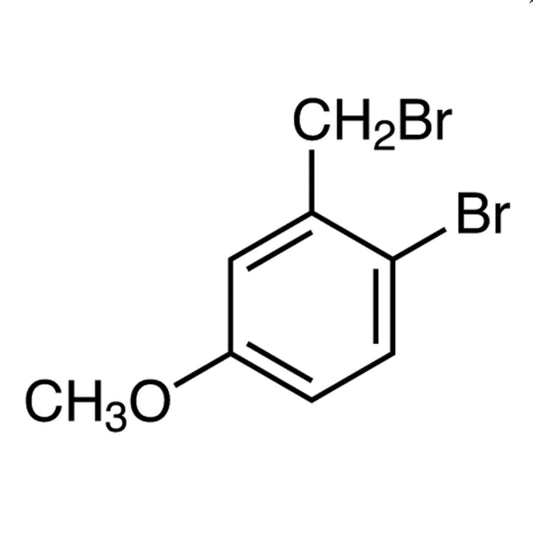
2-Bromo-5-methoxybenzylBromide TCI B4423
Regular price From Rp 1.298.850,00Regular priceRp 908.250,00Sale price From Rp 1.298.850,00 -
3-BenzyloxybenzylAlcohol TCI B3857
Regular price Rp 2.227.050,00Regular priceRp 1.572.900,00Sale price Rp 2.227.050,00 -
5-Bromo-2-methoxybenzylAlcohol TCI B3369
Regular price From Rp 1.087.800,00Regular priceRp 775.950,00Sale price From Rp 1.087.800,00 -
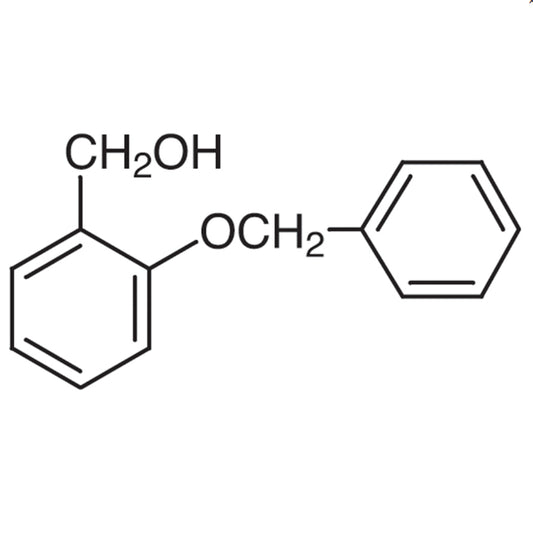
2-BenzyloxybenzylAlcohol TCI B2943
Regular price From Rp 3.074.400,00Regular priceRp 2.165.100,00Sale price From Rp 3.074.400,00 -
5-Bromo-2-hydroxybenzylAlcohol TCI B2164
Regular price From Rp 557.550,00Regular priceRp 389.550,00Sale price From Rp 557.550,00