TCI D2124 Denatonium Benzoate is a quaternary ammonium salt known as one of the most intensely bitter compounds identified. In this catalog it is listed under Life Science > Cell Biology > Bioactive Small Molecules because it is widely used as a reference compound in research on bitter taste perception and taste receptors. In the laboratory it serves as a bitter taste standard, an aversive agent, and a test substance in a range of biological and sensory experiments. Researchers use it whenever they need a well-defined, reproducible bitter stimulus.
The main reason researchers choose this compound is its extremely high bitterness: its effect can be observed even at very low concentrations. This makes it a common reference in bitter taste receptor studies, in behavioral taste-aversion tests, and in research on bittering agents that are added to products to prevent accidental ingestion of hazardous materials. As a small molecule, it is easy to weigh and dissolve when preparing stock solutions, so it fits routine workflows with little preparation. Purity specifications and physical form should be confirmed from the official TCI documentation for the lot received, such as the certificate of analysis and safety data sheet.
In Indonesia, this compound is relevant to cell biology, pharmacology, food science, and sensory research laboratories at universities and research institutions. Academic groups studying taste receptor signaling can use it as a positive control for bitter receptor activation. Food science and product development teams can use it as a benchmark when evaluating bitterness or formulating deterrent products. Pharmacology and behavioral research laboratories can use it to set up aversion models in a consistent, documented way.
TCI brochures (PDF)
- Quaternary Ammonium Salts 2025-11-10 · p. 10
Related TCI products
- TCI D5487 90823-38-4 Denatonium Saccharide
- TCI T1870 70424-94-1 Methyl 3,4,5-Tris(benzyloxy)benzoate
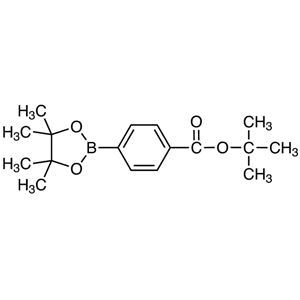
- TCI B5132 850568-72-8 tert-Butyl 4-(4,4,5,5-Tetramethyl-1,3,2-dioxaborolan-2-yl)benzoate
- TCI B2224 1129-28-8 Methyl 3-(Bromomethyl)benzoate
- TCI B2053 2417-72-3 Methyl 4-(Bromomethyl)benzoate
- TCI B2041 583-04-0 Allyl Benzoate
- Bitter taste receptor research: its exceptionally strong bitterness makes it a dependable reference stimulus for studying bitter taste receptor activation and the signaling that follows in cell-based assays.
- Behavioral taste-aversion testing: the compound produces a clear aversive response at low concentrations, which suits experiments that measure avoidance or rejection behavior in controlled study designs.
- Bitter taste standard in sensory studies: its well-known and consistent bitterness gives sensory panels and researchers a reproducible benchmark when comparing or calibrating the perceived bitterness of other samples.
- Research on bittering agents for safety: it is the standard reference in studies on adding bitter agents to products so that people do not accidentally swallow hazardous household or industrial materials.
- Stock solution preparation for bioactivity screening: as an easily weighed and dissolved small molecule, it lends itself to preparing stock solutions for bioactive small-molecule experiments in cell biology laboratories.
| Brand | TCI (product code D2124) |
|---|---|
| CAS number | 3734-33-6 |
| Molecular formula | — |
| Purity | refer to the official TCI documentation for the lot received |
| Category | Life Science > Cell Biology > Bioactive Small Molecules |
| Pack sizes | please confirm the available pack sizes with AMI Scientific before ordering |
| Physical form | — |
| Storage | follow the storage conditions stated on the TCI label and safety data sheet |
Store Denatonium Benzoate in its original, tightly closed manufacturer container in a cool, dry, well-ventilated area, away from direct sunlight and moisture, unless the TCI label specifies other conditions. Keep stock solutions in clearly labeled, sealed containers made of suitable laboratory-grade glass or plastic. Because the compound is intensely bitter even in trace amounts, weigh it carefully to avoid spreading dust or residue onto benches, balances, and shared equipment. Wear appropriate personal protective equipment, including gloves, safety glasses, and a laboratory coat. Avoid ingestion, inhalation, and contact with skin or eyes, and wash hands thoroughly after handling. Always consult the TCI safety data sheet for specific hazard information, first-aid measures, and disposal requirements.
—
Produk Terkait
-
DenatoniumSaccharide TCI D5487
Regular price From Rp 1.634.000,00Regular priceRp 1.127.000,00Sale price From Rp 1.634.000,00 -
Methyl3,4,5-Tris(benzyloxy)benzoate TCI T1870
Regular price Rp 1.478.000,00Regular priceRp 1.021.000,00Sale price Rp 1.478.000,00 -
tert-Butyl4-(4,4,5,5-Tetramethyl-1,3,2-dioxaborolan-2-yl)benzoate TCI B5132
Regular price From Rp 1.997.000,00Regular priceRp 1.374.000,00Sale price From Rp 1.997.000,00 -
Methyl3-(Bromomethyl)benzoate TCI B2224
Regular price From Rp 1.867.000,00Regular priceRp 1.286.000,00Sale price From Rp 1.867.000,00 -
Methyl4-(Bromomethyl)benzoate TCI B2053
Regular price From Rp 1.375.000,00Regular priceRp 951.000,00Sale price From Rp 1.375.000,00 -
AllylBenzoate TCI B2041
Regular price Rp 2.645.000,00Regular priceRp 1.815.000,00Sale price Rp 2.645.000,00 -
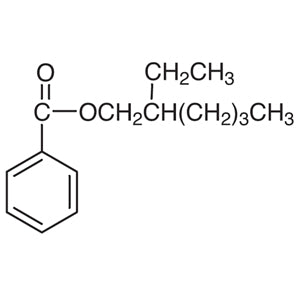
2-EthylhexylBenzoate TCI B1977
Regular price Rp 2.670.000,00Regular priceRp 1.833.000,00Sale price Rp 2.670.000,00 -
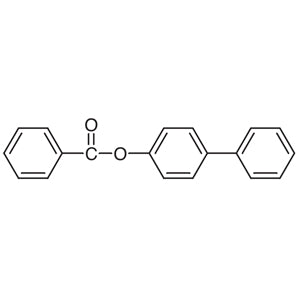
4-BiphenylBenzoate TCI B1866
Regular price From Rp 1.245.000,00Regular priceRp 862.000,00Sale price From Rp 1.245.000,00