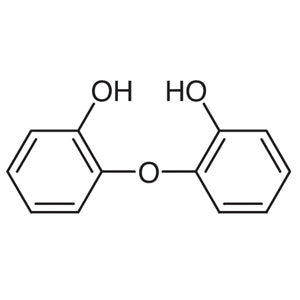
TCI D2150, CAS number 15764-52-0, is 2,2'-Dihydroxydiphenyl Ether, a diphenyl ether compound in which each aromatic ring carries a hydroxyl group at the ortho position relative to the oxygen bridge. This arrangement produces a bifunctional molecule bearing two phenol groups held in close spatial proximity to one another. In the laboratory, the material serves as a non-heterocyclic building block that acts as a starting point for constructing condensed ring systems, pincer ligands, and a wide range of more complex nitrogen- and oxygen-containing aromatic compounds.
The property that makes this compound particularly attractive is the geometric closeness of the two hydroxyl groups, which allows intramolecular cyclization reactions to take place and permits chelate formation with metal centres. The ether bridge provides limited flexibility, so the two rings can rotate and adjust their relative angle while remaining tethered at a comparatively fixed distance. The phenolic groups are weakly acidic and can therefore be deprotonated to generate phenoxide species that are far more nucleophilic, opening a route to etherification, esterification, and coupling reactions. Its solid form makes it straightforward to weigh accurately on a small scale.
In Indonesian laboratories, this building block is typically used in synthetic organic chemistry work at academic institutions and research groups, as well as in coordination chemistry studies where the two adjacent phenol groups are exploited to bind metal centres. Because it is handled as a solid, it fits well into routine small-scale synthetic work where individual portions are weighed out for a series of reactions, and where accurate weighing of modest quantities is a practical requirement.
- Construction of condensed ring systems, where the fixed spacing of the two ortho-hydroxyl groups allows ring closure across the diphenyl ether framework.
- Preparation of pincer ligands, since the two adjacent phenol groups provide the donor positions needed to clamp a metal centre in a defined arrangement.
- Synthesis of more complex nitrogen- and oxygen-containing aromatic compounds, using the bifunctional phenol pair as the point of onward elaboration.
- Intramolecular cyclization studies, in which the geometric proximity of the hydroxyl groups favours ring formation over competing intermolecular pathways.
- Etherification, esterification, and coupling reactions, where deprotonation of the phenolic groups generates the much more nucleophilic phenoxide species required.
| Brand | TCI |
|---|---|
| CAS number | 15764-52-0 |
| Molecular formula | — |
| Purity | — |
| Category | Chemistry > Building Blocks > Non-Heterocyclic Building Blocks |
| Pack sizes | available in standard laboratory pack sizes; please refer to the current catalogue listing |
| Physical form | solid, suitable for accurate small-scale weighing |
| Storage | — |
- Chemical name: 2,2'-Dihydroxydiphenyl Ether
Store the material in its original tightly closed container in a cool, dry, well-ventilated place, away from direct sunlight and sources of heat or ignition. Keep it separated from strong oxidizing agents and strong bases, as the phenolic groups are weakly acidic and will react with bases. Glass or other chemically compatible containers are appropriate for repackaging and for weighed portions. Handle the solid in a fume hood or well-ventilated area to avoid inhaling dust, and wear safety glasses, gloves, and a laboratory coat. Avoid skin and eye contact, do not eat or drink in the handling area, and wash hands thoroughly after use. Consult the manufacturer's safety data sheet before first use and follow local regulations for disposal of residues.
—
Produk Terkait
-
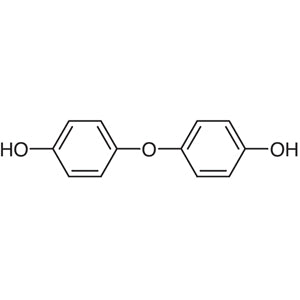
4,4'-DihydroxydiphenylEther TCI D2121
Regular price From Rp 2.916.900,00Regular price -
2,2'-Bis(hydroxymethyl)diphenylEther TCI B1643
Regular price From Rp 3.763.200,00Regular price -
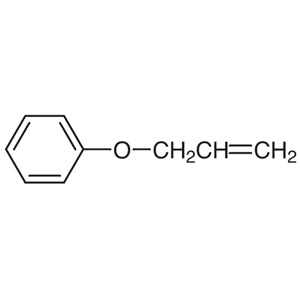
AllylPhenylEther TCI A0234
Regular price From Rp 1.140.300,00Regular price -
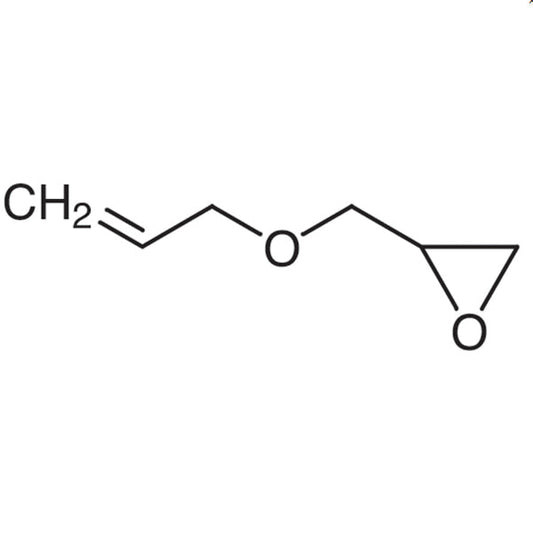
AllylGlycidylEther TCI A0221
Regular price From Rp 477.750,00Regular price -
BenzylGlycidylEther TCI B2108
Regular price From Rp 1.510.950,00Regular price -
Allylp-TolylEther TCI A1287
Regular price From Rp 2.147.250,00Regular price -
Allylo-TolylEther TCI A1286
Regular price Rp 9.778.650,00Regular price -
GlycidylPropargylEther TCI G0445
Regular price From Rp 980.700,00Regular price