TCI D2153, bearing CAS number 63721-05-1, is Methyl 3,3-Dimethyl-4-pentenoate, a short-chain methyl ester that carries a terminal double bond at one end of the chain and two methyl groups on the third carbon. This structural arrangement establishes the compound as a bifunctional non-heterocyclic building block, because it presents two mutually independent reaction sites: the ester group and the terminal alkene. In the laboratory, materials of this kind are highly valuable to researchers who assemble branched carbon frameworks in stages, without having to construct a quaternary centre from scratch.
The characteristic that leads researchers to select this material is the presence of a gem-dimethyl quaternary carbon centre already formed within the molecule. Centres of this type are difficult to create through ordinary reactions, so having one supplied from the outset shortens a synthetic route meaningfully. The gem-dimethyl group also imposes steric hindrance that influences the conformation of the chain and frequently improves the stability of products towards hydrolysis and rearrangement. Meanwhile, the terminal alkene is ready to undergo hydroformylation, epoxidation, hydroboration, metathesis, or cycloaddition, while the ester group can be hydrolysed, reduced, or converted into an amide.
In Indonesian laboratories, this building block is typically used in synthetic organic chemistry groups at universities and research institutes, as well as in industrial R&D units developing new molecular scaffolds. It is generally drawn upon during multi-step route development, where a pre-installed branched centre saves both time and reagents. Because it offers two orthogonal handles, it also serves well in teaching and methodology work where selective transformation of one functional group in the presence of another needs to be demonstrated.
Related TCI products
- Construction of branched carbon skeletons — the pre-formed gem-dimethyl quaternary centre removes one of the most demanding steps from the synthetic sequence, letting chemists begin from an already-branched framework.
- Hydroformylation and hydroboration studies — the unhindered terminal alkene provides a clean, accessible site for addition chemistry, making the compound a convenient substrate for exploring regioselectivity.
- Olefin metathesis chemistry — the terminal double bond participates readily in metathesis reactions, allowing the ester-bearing fragment to be coupled into larger chains or ring systems.
- Epoxidation and subsequent ring-opening work — oxidation of the terminal alkene introduces a new oxygen-containing handle while the ester group elsewhere in the molecule remains untouched.
- Ester derivatisation and amide synthesis — the methyl ester can be hydrolysed, reduced, or converted into an amide, giving access to acids, alcohols, and nitrogen-containing analogues from a single starting material.
| Brand | TCI (Tokyo Chemical Industry) |
|---|---|
| CAS number | 63721-05-1 |
| Molecular formula | — |
| Purity | — |
| Category | Chemistry > Building Blocks > Non-Heterocyclic Building Blocks |
| Pack sizes | available in standard laboratory research pack sizes; please confirm the currently offered packaging when ordering |
| Physical form | — |
| Storage | keep in a tightly closed container under the conditions stated on the manufacturer's label and safety data sheet |
- Product code: D2153
- Chemical name: Methyl 3,3-Dimethyl-4-pentenoate
Store the container tightly closed in a cool, dry, well-ventilated area away from heat, open flames, ignition sources, and direct sunlight, and keep it separated from strong oxidising agents and strong acids or bases. Retain the material in its original manufacturer's container, or transfer it to a compatible, clearly labelled glass container fitted with a chemically resistant closure; avoid prolonged exposure to air and moisture once opened. Handle the compound in a functioning fume hood while wearing safety glasses, chemically resistant gloves, and a laboratory coat. Ground containers where appropriate when transferring larger volumes, keep an absorbent spill kit accessible, and always consult the manufacturer's safety data sheet for the specific storage temperature, compatibility, and disposal requirements before use.
—
Produk Terkait
-
Methyltrans-3-Pentenoate TCI P1210
Regular price From Rp 3.207.750,00Regular price -
Ethyl2-Methyl-4-pentenoate TCI E0717
Regular price Rp 664.650,00Regular price -
Ethyl4-Pentenoate TCI E0715
Regular price Rp 3.180.450,00Regular price -
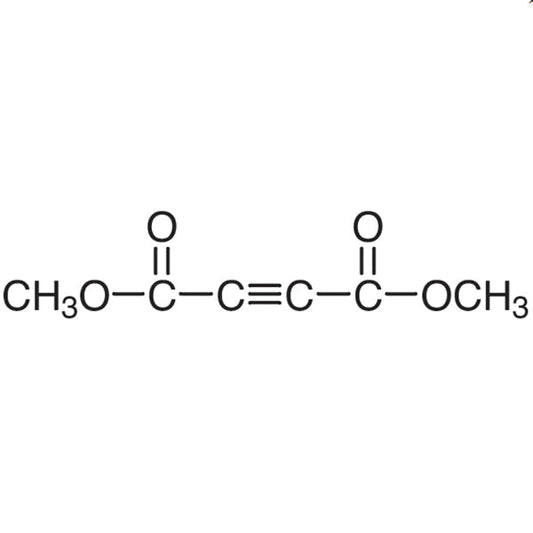
DimethylAcetylenedicarboxylate TCI A0090
Regular price From Rp 2.041.200,00Regular price -
Dimethyl1,3-Acetonedicarboxylate TCI A0056
Regular price From Rp 1.298.850,00Regular price -
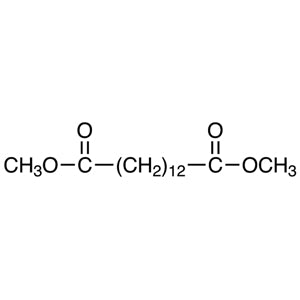
DimethylTetradecanedioate TCI T1726
Regular price From Rp 2.411.850,00Regular price -
1-Bromo-3,3-dimethyl-2-butanone TCI B1490
Regular price From Rp 2.094.750,00Regular price -
Dimethyl4,4'-Biphenyldicarboxylate TCI B1309
Regular price From Rp 875.700,00Regular price