1-Bromo-3,3-dimethyl-2-butanone is a chemical compound widely used as a foundational building block in organic synthesis. It plays a crucial role in the development of complex organic molecules by serving as a versatile intermediate in various chemical reactions. This compound is particularly valuable in laboratory settings where the synthesis of new compounds or structural modifications is required. Its presence in the category of non-heterocyclic building blocks highlights its importance in the field of organic chemistry.
The compound is known for its stability and reactivity, which make it a preferred choice for chemists. Its bromo group significantly influences its reactivity, enabling it to participate in nucleophilic substitution and reduction reactions. These properties allow for the efficient synthesis of more complex molecules. Additionally, its solubility in organic solvents facilitates easy handling and purification during chemical processes.
In Indonesian laboratories, 1-Bromo-3,3-dimethyl-2-butanone is commonly used in research and development projects focused on organic synthesis. Its ability to undergo various chemical transformations makes it an essential tool for scientists working on the creation of new compounds or the modification of existing molecular structures. Its reliability and effectiveness in laboratory applications make it a popular choice among researchers.
- Organic synthesis: This compound is ideal for synthesizing complex organic molecules due to its reactivity and versatility in chemical reactions.
- Nucleophilic substitution reactions: The bromo group enables efficient participation in nucleophilic substitution, making it a preferred reagent in such processes.
- Reduction reactions: Its structure allows it to be used in reduction reactions, facilitating the formation of various organic compounds.
- Molecular modification: It is widely used for modifying molecular structures, aiding in the development of new compounds with desired properties.
- Purification processes: Its solubility in organic solvents makes it suitable for purification and isolation of final products in laboratory settings.
| Brand | TCI |
|---|---|
| CAS number | 5469-26-1 |
| Molecular formula | — |
| Purity | — |
| Category | Chemistry > Building Blocks > Non-Heterocyclic Building Blocks |
| Pack sizes | Available in various pack sizes as per supplier specifications |
| Physical form | Liquid |
| Storage | Store in a cool, dry place away from light and incompatible materials |
This compound should be stored in a cool, dry environment, away from direct sunlight and sources of heat. It is recommended to keep it in a tightly sealed container to prevent exposure to air and moisture. Due to its reactivity, it should be stored separately from strong bases and oxidizing agents. Proper ventilation is essential when handling this material to minimize inhalation risks. Always use appropriate personal protective equipment, such as gloves and safety goggles, when working with this compound. Regular monitoring of storage conditions is advised to ensure the compound remains stable and safe for use in laboratory applications.
—
Produk Terkait
-
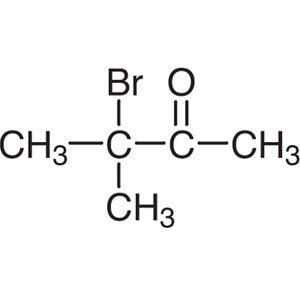
3-Bromo-3-methyl-2-butanone TCI B3258
Regular price From Rp 2.279.550,00Regular priceRp 1.609.650,00Sale price From Rp 2.279.550,00 -
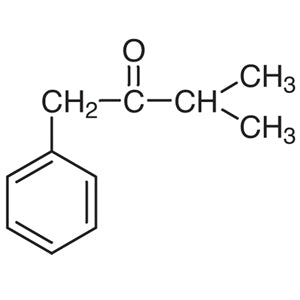
3-Methyl-1-phenyl-2-butanone TCI B1029
Regular price From Rp 4.133.850,00Regular priceRp 2.890.650,00Sale price From Rp 4.133.850,00 -
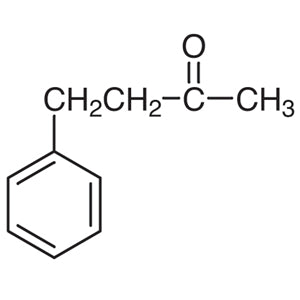
4-Phenyl-2-butanone TCI B0405
Regular price From Rp 769.650,00Regular priceRp 537.600,00Sale price From Rp 769.650,00 -
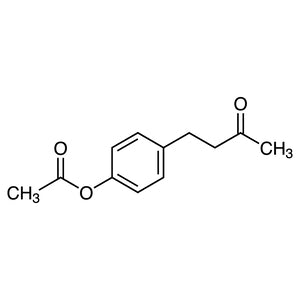
4-(4-Acetoxyphenyl)-2-butanone TCI A2368
Regular price Rp 1.351.350,00Regular priceRp 960.750,00Sale price Rp 1.351.350,00 -
1-Phenyl-2-butanone TCI P0971
Regular price From Rp 3.870.300,00Regular priceRp 2.705.850,00Sale price From Rp 3.870.300,00 -
4-(4-Methoxyphenyl)-2-butanone TCI M0756
Regular price Rp 1.008.000,00Regular priceRp 720.300,00Sale price Rp 1.008.000,00 -
3-Methyl-2-butanone TCI M0173
Regular price From Rp 477.750,00Regular priceRp 333.900,00Sale price From Rp 477.750,00 -
4-Isobutoxy-2-butanone TCI I0286
Regular price Rp 1.246.350,00Regular priceRp 871.500,00Sale price Rp 1.246.350,00