3-Methyl-1-phenyl-2-butanone is an organic compound widely used in chemical synthesis as a building block or intermediate. It plays a crucial role in laboratories where researchers aim to create complex organic molecules. This compound is valued for its versatility and stability, making it a key component in various synthetic pathways. Its molecular structure allows for multiple functional group modifications, enabling the development of a wide range of derivatives with specific applications in different scientific fields.
The compound's unique chemical properties, including controlled reactivity and high molecular stability, make it a preferred choice for synthetic chemists. It exhibits relatively high boiling and melting points, which facilitate purification processes such as distillation and crystallization. These characteristics ensure that it remains a reliable material in laboratory settings where precision and consistency are essential. Additionally, its compatibility with a variety of reaction conditions enhances its utility in both academic and industrial research.
In Indonesian laboratories, 3-Methyl-1-phenyl-2-butanone is commonly used in organic chemistry research, particularly in the synthesis of aromatic and aliphatic compounds. It is also integrated into educational programs at research institutions and universities, serving as a learning tool for students and a material for experimental testing. Its presence in both academic and applied research underscores its importance in the chemical sciences.
- Organic synthesis applications benefit from this compound's versatility and stability, enabling the creation of complex molecules with controlled reactivity.
- It is ideal for intermediate steps in the production of aromatic and aliphatic compounds due to its molecular structure and reactivity.
- Educational institutions use it as a teaching material to demonstrate synthetic pathways and chemical reactions in organic chemistry.
- Industrial research relies on its properties for the development of new materials and pharmaceutical compounds through controlled chemical processes.
- It supports the development of synthetic derivatives with specific functional groups, enhancing the range of possible chemical applications.
| Brand | TCI |
|---|---|
| CAS number | 2893-05-2 |
| Molecular formula | — |
| Purity | — |
| Category | Chemistry > Building Blocks > Non-Heterocyclic Building Blocks |
| Pack sizes | Available in various quantities as per supplier specifications |
| Physical form | Liquid or crystalline, depending on the specific product variant |
| Storage | Store in a cool, dry place away from direct sunlight and incompatible substances |
This compound should be stored in a cool, dry environment to maintain its chemical stability. It is recommended to keep it in a tightly sealed container to prevent exposure to moisture and air. Due to its potential reactivity, it should be stored away from strong oxidizing agents and incompatible materials. Proper ventilation is essential when handling this compound to minimize inhalation risks. Laboratory personnel should wear appropriate personal protective equipment, including gloves and safety goggles, to ensure safe handling. Regular monitoring of storage conditions is advised to maintain the integrity of the material and ensure compliance with safety standards.
—
Produk Terkait
-
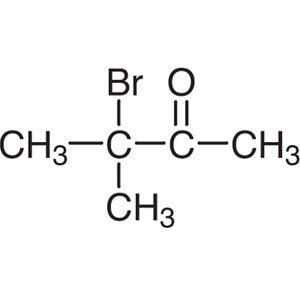
3-Bromo-3-methyl-2-butanone TCI B3258
Regular price From Rp 2.279.550,00Regular priceRp 1.609.650,00Sale price From Rp 2.279.550,00 -
1-Bromo-3,3-dimethyl-2-butanone TCI B1490
Regular price From Rp 2.147.250,00Regular priceRp 1.517.250,00Sale price From Rp 2.147.250,00 -
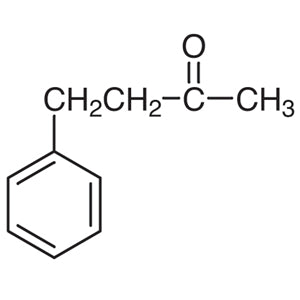
4-Phenyl-2-butanone TCI B0405
Regular price From Rp 769.650,00Regular priceRp 537.600,00Sale price From Rp 769.650,00 -
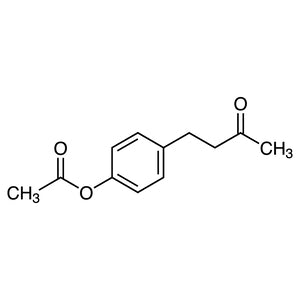
4-(4-Acetoxyphenyl)-2-butanone TCI A2368
Regular price Rp 1.351.350,00Regular priceRp 960.750,00Sale price Rp 1.351.350,00 -
1-Phenyl-2-butanone TCI P0971
Regular price From Rp 3.870.300,00Regular priceRp 2.705.850,00Sale price From Rp 3.870.300,00 -
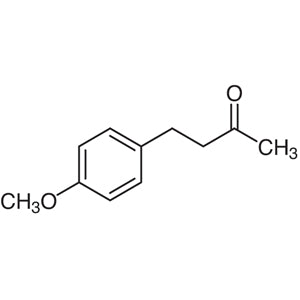
4-(4-Methoxyphenyl)-2-butanone TCI M0756
Regular price Rp 1.008.000,00Regular priceRp 720.300,00Sale price Rp 1.008.000,00 -
3-Methyl-2-butanone TCI M0173
Regular price From Rp 477.750,00Regular priceRp 333.900,00Sale price From Rp 477.750,00 -
4-Isobutoxy-2-butanone TCI I0286
Regular price Rp 1.246.350,00Regular priceRp 871.500,00Sale price Rp 1.246.350,00