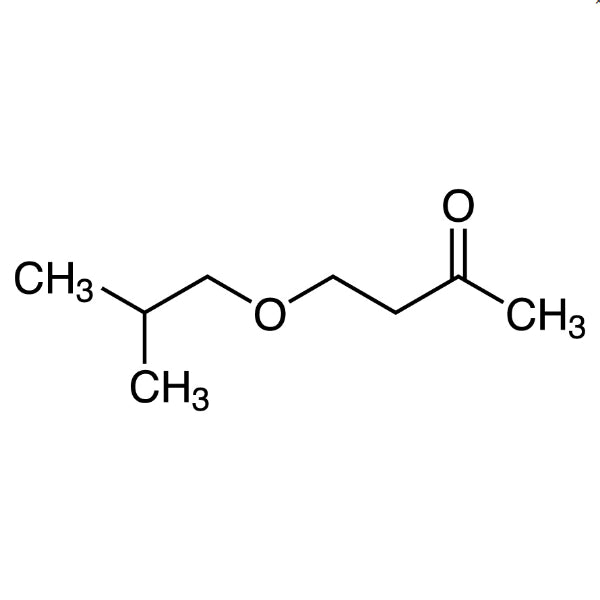
4-Isobutoxy-2-butanone is a chemical compound widely used in synthetic reactions within laboratory settings, particularly in the synthesis of complex organic compounds. This reagent plays a crucial role in organic chemistry by serving as a versatile building block that can participate in various reaction mechanisms. Its unique molecular structure, featuring an isobutoxy group, enhances its reactivity under different chemical conditions. This makes it a valuable asset for researchers aiming to develop new compounds or modify existing ones through chemical transformations.
The compound is preferred due to its high reactivity and compatibility with a range of synthetic methods. The isobutoxy group contributes to its ability to undergo substitution, condensation, and radical reactions, making it suitable for a variety of laboratory applications. Its stability under controlled conditions also ensures that it remains effective during prolonged storage and use. These properties make it a reliable choice for both academic and industrial research environments.
In Indonesian laboratories, 4-Isobutoxy-2-butanone is commonly used in organic chemistry research, especially in universities and research institutions focused on the synthesis of new compounds. Its availability and consistent quality make it a preferred material for synthetic processes. It is well-suited for applications that require precise chemical reactions and reliable results, supporting the advancement of chemical research in the region.
- Organic synthesis is a key application where 4-Isobutoxy-2-butanone is used to create complex organic molecules through various reaction pathways.
- Heterocyclic compound synthesis benefits from this reagent due to its ability to participate in substitution and condensation reactions.
- Radical reaction studies often utilize this compound because of its reactivity and compatibility with radical mechanisms.
- Functional group modification is enhanced by the presence of the isobutoxy group, allowing for selective chemical transformations.
- Polymer chemistry applications may involve this reagent in the development of new materials with specific chemical properties.
| Brand | TCI |
|---|---|
| CAS number | 31576-33-7 |
| Molecular formula | — |
| Purity | — |
| Category | Chemistry > Building Blocks > Non-Heterocyclic Building Blocks |
| Pack sizes | Available in various quantities as per standard laboratory requirements |
| Physical form | Liquid |
| Storage | Store in a cool, dry place away from direct sunlight and incompatible materials |
This compound should be stored in a cool, dry environment, away from direct sunlight and sources of heat. It is recommended to use airtight containers made of materials that are chemically inert to prevent degradation. Due to its reactivity, it should be kept separate from strong oxidizing agents and incompatible substances. Proper labeling and storage conditions are essential to ensure safety and maintain the compound's effectiveness. Laboratory personnel should always wear appropriate personal protective equipment when handling this material to minimize exposure risks. Regular monitoring of storage conditions is advised to ensure the material remains stable and suitable for use.
—
Produk Terkait
-
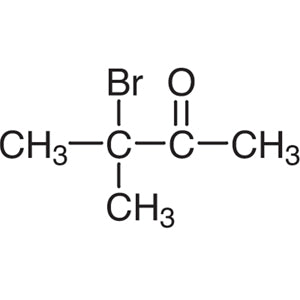
3-Bromo-3-methyl-2-butanone TCI B3258
Regular price From Rp 2.227.050,00Regular price -
1-Bromo-3,3-dimethyl-2-butanone TCI B1490
Regular price From Rp 2.094.750,00Regular price -
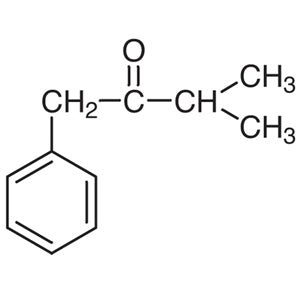
3-Methyl-1-phenyl-2-butanone TCI B1029
Regular price From Rp 4.133.850,00Regular price -
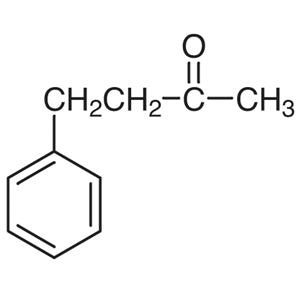
4-Phenyl-2-butanone TCI B0405
Regular price From Rp 769.650,00Regular price -
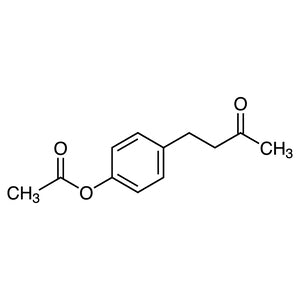
4-(4-Acetoxyphenyl)-2-butanone TCI A2368
Regular price Rp 1.298.850,00Regular price -
1-Phenyl-2-butanone TCI P0971
Regular price From Rp 3.870.300,00Regular price -
4-(4-Methoxyphenyl)-2-butanone TCI M0756
Regular price Rp 955.500,00Regular price -
3-Methyl-2-butanone TCI M0173
Regular price From Rp 477.750,00Regular price