3-Bromo-3-methyl-2-butanone is an organic compound widely utilized in chemical synthesis for the creation of complex molecules. This compound plays a crucial role in laboratory settings as a versatile building block, enabling the development of various organic and heterocyclic compounds. Its unique molecular structure, featuring a bromo group and a ketone group, contributes to its reactivity and utility in synthetic pathways. Due to its ability to participate in substitution and electrophilic reactions, it is a valuable asset in chemical research and development.
The compound's high reactivity and compatibility with multiple reaction types make it a preferred choice for chemists. Its stability under specific conditions ensures safe handling and storage, while its availability in various packaging options facilitates easy access for researchers. These properties collectively enhance its applicability in both academic and industrial laboratory environments. The compound's reliability and effectiveness have made it a staple in chemical synthesis processes, supporting the creation of new compounds and materials.
In Indonesian laboratories, 3-Bromo-3-methyl-2-butanone is extensively used in organic chemistry research, particularly in projects focused on the synthesis of new compounds. It is also commonly integrated into university-level education, where it serves as a practical tool for teaching synthesis techniques and compound characterization. Its widespread use underscores its importance in both research and educational settings within the chemical sciences.
- Organic synthesis for the creation of complex molecules and heterocyclic compounds due to its reactive functional groups.
- Electrophilic substitution reactions where bromo and ketone functionalities are key to reaction mechanisms.
- Educational use in university laboratories to train students in synthetic chemistry and compound analysis techniques.
- Research applications in the development of new chemical compounds and materials for industrial and pharmaceutical purposes.
- Support for chemical characterization studies involving spectroscopic and analytical methods in academic and industrial settings.
| Brand | TCI |
|---|---|
| CAS number | 2648-71-7 |
| Molecular formula | — |
| Purity | — |
| Category | Chemistry > Building Blocks > Non-Heterocyclic Building Blocks |
| Pack sizes | Available in various sizes to meet different experimental needs |
| Physical form | Liquid |
| Storage | Store in a cool, dry place away from light and incompatible materials |
This compound should be stored in a cool, dry place, away from direct sunlight and sources of heat. It is recommended to use sealed containers made of materials compatible with organic solvents to prevent contamination and evaporation. Due to its reactivity, it should be kept away from strong oxidizing agents and incompatible substances. Proper ventilation is essential when handling the compound to minimize exposure. Laboratory personnel should wear appropriate personal protective equipment, including gloves and safety goggles, to ensure safe handling. Regular monitoring of storage conditions is advised to maintain the compound's stability and effectiveness.
—
Produk Terkait
-
1-Bromo-3,3-dimethyl-2-butanone TCI B1490
Regular price From Rp 2.147.250,00Regular priceRp 1.517.250,00Sale price From Rp 2.147.250,00 -
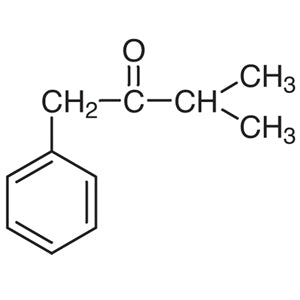
3-Methyl-1-phenyl-2-butanone TCI B1029
Regular price From Rp 4.133.850,00Regular priceRp 2.890.650,00Sale price From Rp 4.133.850,00 -
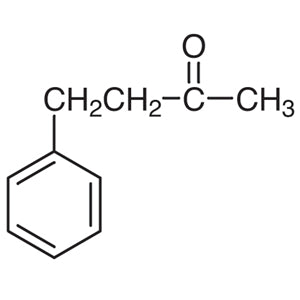
4-Phenyl-2-butanone TCI B0405
Regular price From Rp 769.650,00Regular priceRp 537.600,00Sale price From Rp 769.650,00 -
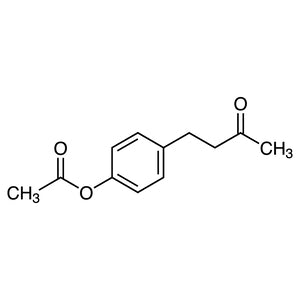
4-(4-Acetoxyphenyl)-2-butanone TCI A2368
Regular price Rp 1.351.350,00Regular priceRp 960.750,00Sale price Rp 1.351.350,00 -
1-Phenyl-2-butanone TCI P0971
Regular price From Rp 3.870.300,00Regular priceRp 2.705.850,00Sale price From Rp 3.870.300,00 -
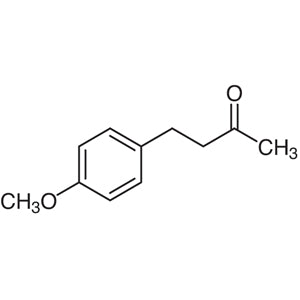
4-(4-Methoxyphenyl)-2-butanone TCI M0756
Regular price Rp 1.008.000,00Regular priceRp 720.300,00Sale price Rp 1.008.000,00 -
3-Methyl-2-butanone TCI M0173
Regular price From Rp 477.750,00Regular priceRp 333.900,00Sale price From Rp 477.750,00 -
4-Isobutoxy-2-butanone TCI I0286
Regular price Rp 1.246.350,00Regular priceRp 871.500,00Sale price Rp 1.246.350,00