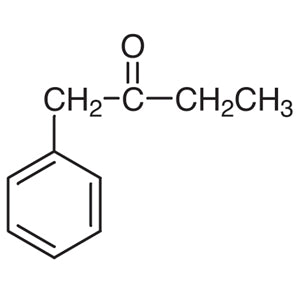
1-Phenyl-2-butanone is an organic compound widely used in chemical synthesis, particularly in the production of complex molecules with aromatic and carbonyl structures. This compound plays a crucial role in laboratory settings as a versatile building block for various chemical reactions. It is commonly employed in nucleophilic reactions, condensation processes, and substitution mechanisms, making it an essential component in synthetic chemistry. Its ability to participate in multiple reaction pathways allows chemists to create a wide range of derivatives with specific functional groups.
The compound’s non-polar nature and the presence of a carbonyl group make it highly reactive under controlled conditions. These properties contribute to its stability and reactivity, enabling it to be a preferred choice for researchers aiming to synthesize complex organic molecules. The structural simplicity of 1-Phenyl-2-butanone allows for predictable chemical behavior, which is vital in laboratory experiments where precision and reproducibility are key. Its compatibility with various reagents and solvents further enhances its utility in synthetic applications.
In Indonesian laboratories, 1-Phenyl-2-butanone is extensively used in chemical research, including the development of new chemical compounds, drug synthesis, and quality testing of chemical materials. Its stability and broad applicability make it a reliable reagent for both academic and industrial research. Researchers in Indonesia rely on this compound for its consistent performance and adaptability in different chemical environments, supporting advancements in pharmaceutical and chemical industries.
Related TCI products
- Drug synthesis: This compound is ideal for creating complex organic molecules used in pharmaceutical research due to its reactivity and structural versatility.
- Organic synthesis: Its carbonyl group makes it a valuable building block for synthesizing a wide range of functionalized compounds.
- Quality testing: It serves as a standard reference material for analyzing the purity and composition of chemical substances in industrial settings.
- Research and development: Its stability and predictable behavior make it a preferred choice for developing new chemical compounds and materials.
- Analytical chemistry: It is used in various analytical techniques to study reaction mechanisms and chemical interactions in controlled environments.
| Brand | TCI |
|---|---|
| CAS number | 1007-32-5 |
| Molecular formula | — |
| Purity | — |
| Category | Chemistry > Building Blocks > Non-Heterocyclic Building Blocks |
| Pack sizes | Available in various quantities to suit different laboratory needs |
| Physical form | Solid or liquid, depending on the specific product variant |
| Storage | Store in a cool, dry place away from light and moisture |
This compound should be stored in a cool, dry environment, away from direct sunlight and moisture to maintain its stability. It is recommended to use airtight containers made of glass or high-density polyethylene to prevent contamination and degradation. Due to its reactivity, it should be handled with care using appropriate personal protective equipment such as gloves and safety goggles. Proper ventilation is essential when working with this material to minimize exposure. It is important to keep the compound away from incompatible substances such as strong bases or reducing agents. Regular inspection of storage conditions ensures the compound remains in optimal condition for use in laboratory applications.
—
Produk Terkait
-
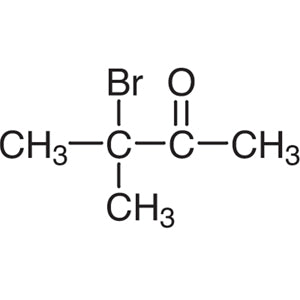
3-Bromo-3-methyl-2-butanone TCI B3258
Regular price From Rp 2.227.050,00Regular price -
1-Bromo-3,3-dimethyl-2-butanone TCI B1490
Regular price From Rp 2.094.750,00Regular price -
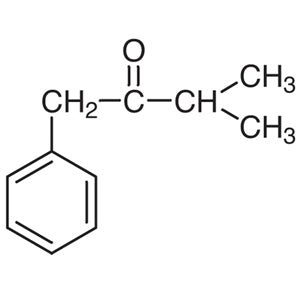
3-Methyl-1-phenyl-2-butanone TCI B1029
Regular price From Rp 4.133.850,00Regular price -
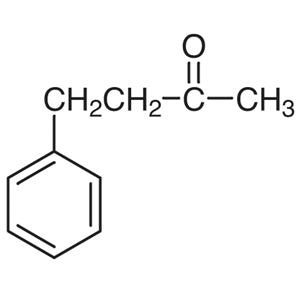
4-Phenyl-2-butanone TCI B0405
Regular price From Rp 769.650,00Regular price -
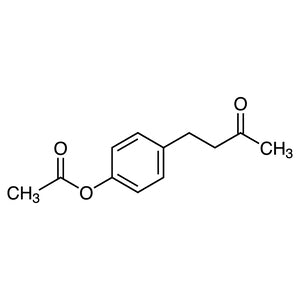
4-(4-Acetoxyphenyl)-2-butanone TCI A2368
Regular price Rp 1.298.850,00Regular price -
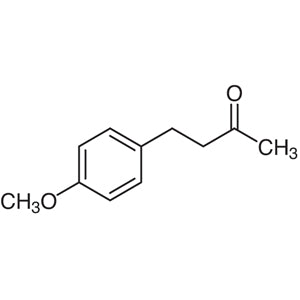
4-(4-Methoxyphenyl)-2-butanone TCI M0756
Regular price Rp 955.500,00Regular price -
3-Methyl-2-butanone TCI M0173
Regular price From Rp 477.750,00Regular price -
4-Isobutoxy-2-butanone TCI I0286
Regular price Rp 1.246.350,00Regular price