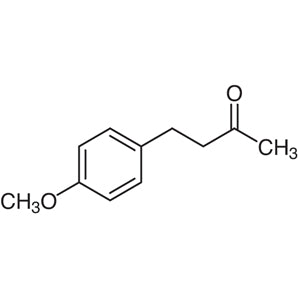
4-(4-Methoxyphenyl)-2-butanone is a chemical compound widely used in synthetic reactions within laboratory settings. As a building block in organic chemistry, it plays a crucial role in the synthesis of complex molecules, including heterocyclic and aromatic compounds. Its versatility makes it an essential tool for researchers aiming to develop new compounds with applications in pharmaceuticals, materials science, and chemical engineering. This compound is particularly valued for its ability to participate in various types of chemical reactions, such as substitution and addition reactions, due to its reactive functional groups.
The compound is characterized by its complex molecular structure and good solubility in organic solvents like ethyl acetate and acetone. These properties make it highly compatible with a wide range of synthetic methodologies. Its solubility and reactivity allow it to be easily incorporated into reaction mixtures, enhancing the efficiency of laboratory processes. Additionally, its chemical stability under controlled conditions ensures consistent results in experimental protocols.
In Indonesian laboratories, 4-(4-Methoxyphenyl)-2-butanone is frequently utilized in organic chemistry research and the development of new compounds. It is commonly found in academic and research institutions where synthetic chemistry is a focus. Its availability in the local market supports ongoing scientific investigations, making it a practical choice for both students and professionals in the field.
- Organic synthesis is a primary application where this compound serves as a key intermediate in the creation of complex molecules due to its reactive structure and solubility.
- Pharmaceutical research benefits from its use in the development of new drugs, as it can be modified to produce bioactive compounds with therapeutic potential.
- Material science applications leverage its chemical properties to create novel materials with specific functional characteristics.
- Academic research in chemistry often incorporates this compound to explore new synthetic pathways and reaction mechanisms.
- Industrial chemical development uses it as a building block for the production of specialty chemicals and polymers.
| Brand | TCI |
|---|---|
| CAS number | 104-20-1 |
| Molecular formula | — |
| Purity | — |
| Category | Chemistry > Building Blocks > Non-Heterocyclic Building Blocks |
| Pack sizes | Available in various quantities as per standard laboratory supply |
| Physical form | Solid or liquid depending on the specific product variant |
| Storage | Store in a cool, dry place away from direct sunlight and incompatible substances |
This compound should be stored in a cool, dry environment to maintain its chemical integrity. It is recommended to use airtight containers to prevent exposure to moisture and air, which could affect its stability. Proper labeling of storage containers is essential to ensure safe handling and prevent accidental contamination. Laboratory personnel should wear appropriate personal protective equipment, such as gloves and safety goggles, when handling this material. It should be kept away from incompatible substances like strong oxidizers and acids to avoid potential chemical reactions. Regular inspection of storage conditions is advised to ensure compliance with safety standards and to maintain the quality of the compound.
—
Produk Terkait
-
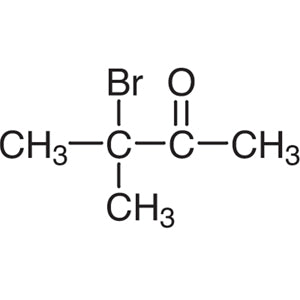
3-Bromo-3-methyl-2-butanone TCI B3258
Regular price From Rp 2.227.050,00Regular price -
1-Bromo-3,3-dimethyl-2-butanone TCI B1490
Regular price From Rp 2.094.750,00Regular price -
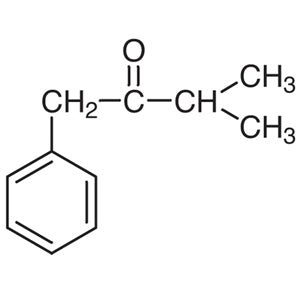
3-Methyl-1-phenyl-2-butanone TCI B1029
Regular price From Rp 4.133.850,00Regular price -
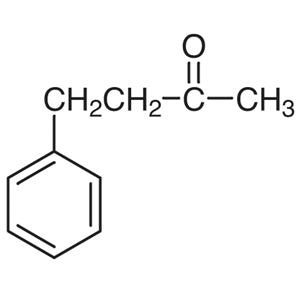
4-Phenyl-2-butanone TCI B0405
Regular price From Rp 769.650,00Regular price -
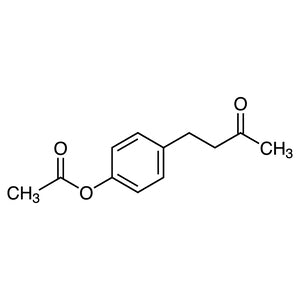
4-(4-Acetoxyphenyl)-2-butanone TCI A2368
Regular price Rp 1.298.850,00Regular price -
1-Phenyl-2-butanone TCI P0971
Regular price From Rp 3.870.300,00Regular price -
3-Methyl-2-butanone TCI M0173
Regular price From Rp 477.750,00Regular price -
4-Isobutoxy-2-butanone TCI I0286
Regular price Rp 1.246.350,00Regular price