Dimethyl 4,4'-Biphenyldicarboxylate is a chemical compound widely used as a building block in organic synthesis. It plays a crucial role in the development of complex molecules, particularly in the creation of polymers and organic compounds with intricate structures. This compound is valued for its versatility and ability to participate in various chemical reactions, making it an essential component in synthetic chemistry. Its molecular structure, featuring two carboxylate groups attached to biphenyl rings, allows for substitution and condensation reactions, which are fundamental in the synthesis of advanced materials and pharmaceuticals.
One of the key properties that make this compound a preferred choice is its chemical stability under controlled conditions. It can react with a variety of reagents, enabling the formation of new functional groups and complex molecular architectures. The presence of the biphenyl core provides a rigid framework, which is beneficial in the design of molecules with specific stereochemistry or electronic properties. Additionally, its compatibility with standard laboratory reagents and solvents enhances its utility in a wide range of synthetic processes.
In Indonesian laboratories, this compound is commonly used by researchers and students engaged in organic synthesis experiments. Its relevance extends to fields such as pharmaceutical research, material science, and chemical engineering. The compound's ability to form complex structures makes it a valuable tool for those working on projects involving polymer synthesis or the development of new organic compounds. Its widespread use in academic and industrial settings underscores its importance in modern chemical research.
Related TCI products
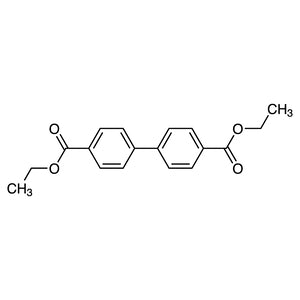
- TCI B0831 47230-38-6 Diethyl 4,4'-Biphenyldicarboxylate
- TCI B2854 66-98-8 4,4'-Biphenyldicarboxaldehyde
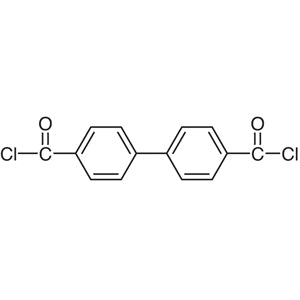
- TCI B1308 2351-37-3 4,4'-Biphenyldicarbonyl Chloride
- TCI B1181 1591-30-6 4,4'-Biphenyldicarbonitrile
- TCI A0090 762-42-5 Dimethyl Acetylenedicarboxylate
- TCI A0056 1830-54-2 Dimethyl 1,3-Acetonedicarboxylate
- Synthesis of complex polymers benefits from the compound's ability to form stable molecular frameworks, enabling the creation of advanced materials with tailored properties.
- Organic compound synthesis relies on its reactivity and structural versatility, allowing for the development of new molecules with specific functional groups.
- Pharmaceutical research utilizes its structural rigidity and reactivity to design compounds with potential therapeutic applications.
- Material science applications take advantage of its molecular structure to develop high-performance polymers and composite materials.
- Chemical engineering projects employ it as a building block for the synthesis of industrial chemicals and specialty products.
| Brand | TCI |
|---|---|
| CAS number | 792-74-5 |
| Molecular formula | — |
| Purity | — |
| Category | Chemistry > Building Blocks > Non-Heterocyclic Building Blocks |
| Pack sizes | Available in various quantities as per standard laboratory supply |
| Physical form | Solid |
| Storage | Store in a cool, dry place away from moisture and direct sunlight |
This compound should be stored in a cool, dry environment to maintain its chemical stability. It is recommended to keep it in a sealed container to prevent exposure to moisture and air, which could lead to degradation. Suitable storage containers include glass or high-density polyethylene (HDPE) bottles with tight-fitting lids. In laboratory settings, it should be handled with appropriate personal protective equipment such as gloves and safety goggles. Avoid contact with incompatible materials and ensure proper ventilation when working with this compound. Regular inspection of storage conditions is advised to ensure the integrity of the material remains unaffected.
—
Produk Terkait
-
Diethyl4,4'-Biphenyldicarboxylate TCI B0831
Regular price From Rp 7.844.550,00Regular priceRp 5.485.200,00Sale price From Rp 7.844.550,00 -
4,4'-Biphenyldicarboxaldehyde TCI B2854
Regular price From Rp 1.961.400,00Regular priceRp 1.371.300,00Sale price From Rp 1.961.400,00 -
4,4'-BiphenyldicarbonylChloride TCI B1308
Regular price Rp 6.784.050,00Regular priceRp 4.743.900,00Sale price Rp 6.784.050,00 -
4,4'-Biphenyldicarbonitrile TCI B1181
Regular price Rp 3.498.600,00Regular priceRp 2.462.250,00Sale price Rp 3.498.600,00 -
DimethylAcetylenedicarboxylate TCI A0090
Regular price From Rp 2.093.700,00Regular priceRp 1.479.450,00Sale price From Rp 2.093.700,00 -
Dimethyl1,3-Acetonedicarboxylate TCI A0056
Regular price From Rp 1.351.350,00Regular priceRp 960.750,00Sale price From Rp 1.351.350,00 -
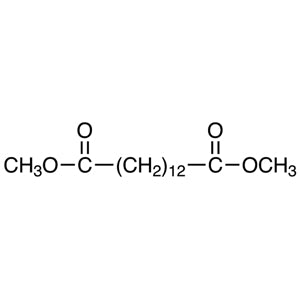
DimethylTetradecanedioate TCI T1726
Regular price From Rp 2.464.350,00Regular priceRp 1.738.800,00Sale price From Rp 2.464.350,00 -
1-Bromo-3,3-dimethyl-2-butanone TCI B1490
Regular price From Rp 2.147.250,00Regular priceRp 1.517.250,00Sale price From Rp 2.147.250,00