TCI D2199 3,5-Dimethyl-1-hydroxymethylpyrazole is a heterocyclic intermediate built around a pyrazole core, the five-membered ring bearing two adjacent nitrogen atoms that stands as one of the most important scaffolds in modern medicinal chemistry and coordination chemistry. In this compound, positions 3 and 5 of the ring are already substituted with methyl groups, while the N-1 nitrogen atom carries a hydroxymethyl group. This arrangement makes it a ready-to-use starting material for researchers who want to construct pyrazole derivatives without first having to pass through a heterocyclic ring-formation step.
The property that makes this material a frequent choice is the hydroxymethyl group on the nitrogen, which acts as an entry point for further functionalisation; that group can be converted into ethers or esters, or displaced by other nucleophiles, and it can equally serve as a protected form of the reactive pyrazole. The two methyl groups at positions 3 and 5 impart a distinctive steric and electronic effect, so that the metal complexes and derivative molecules obtained from it possess a more controlled coordination environment. The purity and consistency of TCI products support reproducibility in syntheses that demand it.
In Indonesian laboratories, this building block is typically used in university and institutional research groups working on organic synthesis, medicinal chemistry, and coordination chemistry, where pyrazole-based ligands and derivatives are prepared on a bench scale. It suits work in which a defined, pre-formed heterocyclic core shortens a synthetic route and improves reproducibility between batches, particularly in postgraduate research, publication-oriented method development, and the preparation of reference compounds for further study.
Related TCI products
- Heterocyclic building block for organic synthesis: the pre-formed pyrazole ring removes the need for a separate cyclisation step, shortening routes toward pyrazole-derived target molecules.
- Medicinal chemistry scaffold preparation: the pyrazole core is one of the most important frameworks in drug discovery, making this a practical entry point for derivative libraries.
- Ligand synthesis for coordination chemistry: the 3,5-dimethyl substitution provides steric and electronic control that yields metal complexes with a more defined coordination environment.
- Functionalisation and derivatisation studies: the N-hydroxymethyl group can be converted into ethers or esters, or displaced by other nucleophiles, giving several synthetic directions.
- Protected pyrazole intermediate work: the hydroxymethyl group can serve as a protected form of the reactive pyrazole nitrogen during multi-step synthetic sequences requiring selectivity.
| Brand | TCI (Tokyo Chemical Industry) |
|---|---|
| CAS number | 85264-33-1 |
| Molecular formula | — |
| Purity | — |
| Category | Chemistry > Building Blocks > Heterocyclic Building Blocks |
| Pack sizes | available in standard TCI research-scale packaging; please confirm the required size when ordering |
| Physical form | — |
| Storage | keep in the original manufacturer container under the conditions stated on the product label and safety data sheet |
- Product code: D2199
- Chemical name: 3,5-Dimethyl-1-hydroxymethylpyrazole
Store the container tightly closed in a cool, dry, well-ventilated area away from direct sunlight, heat sources, and incompatible materials, following the conditions specified on the manufacturer's label and safety data sheet. Keep the material in its original supplier packaging wherever possible; if transfer is necessary, use clean, dry, chemically compatible and clearly labelled containers. Handle in a fume hood using appropriate personal protective equipment, including safety goggles, gloves, and a laboratory coat, and avoid inhalation of dust or contact with skin and eyes. Reseal the container promptly after use to limit moisture uptake and contamination, and dispose of residues and empty packaging in accordance with institutional and local chemical waste regulations. Review the safety data sheet before first use.
—
Produk Terkait
-
1,3,5-Trimethylpyrazole TCI T2724
Regular price From Rp 717.150,00Regular price -
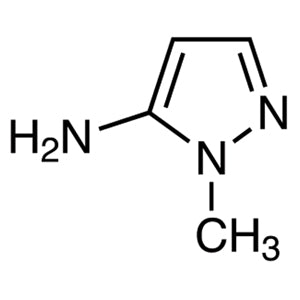
5-Amino-1-methylpyrazole TCI A3303
Regular price From Rp 1.803.900,00Regular price -
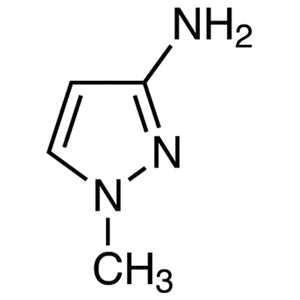
3-Amino-1-methylpyrazole TCI A2277
Regular price From Rp 530.250,00Regular price -
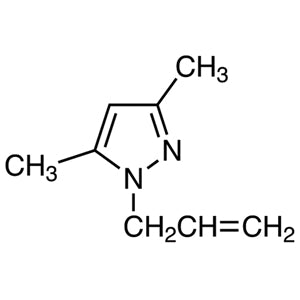
1-Allyl-3,5-dimethylpyrazole TCI A1679
Regular price Rp 2.809.800,00Regular price -
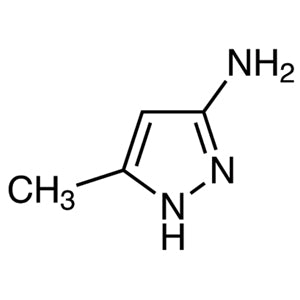
3-Amino-5-methylpyrazole TCI A1133
Regular price Rp 2.809.800,00Regular price -
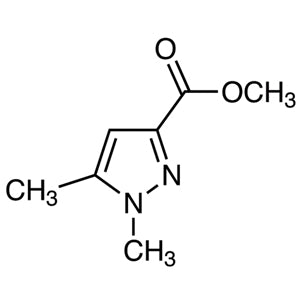
Methyl1,5-Dimethylpyrazole-3-carboxylate TCI M2863
Regular price From Rp 2.174.550,00Regular price -
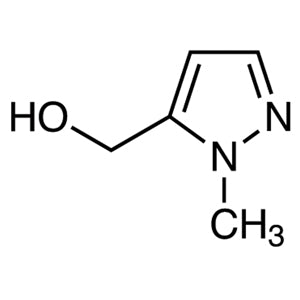
1-Methylpyrazole-5-methanol TCI M2831
Regular price From Rp 823.200,00Regular price -
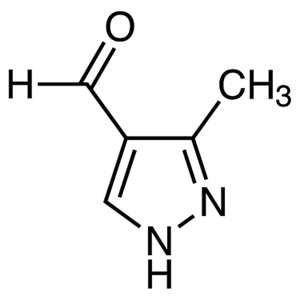
3-Methylpyrazole-4-carboxaldehyde TCI M2643
Regular price From Rp 1.008.000,00Regular price