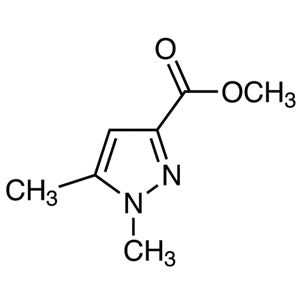
Methyl 1,5-Dimethylpyrazole-3-carboxylate is a chemical compound widely used as a building block in the synthesis of heterocyclic compounds. This compound plays a crucial role in organic chemistry laboratories, where it serves as a versatile intermediate for creating complex molecular structures. Its unique chemical structure enables it to participate in various chemical reactions, making it an essential tool for researchers working in the field of medicinal chemistry and pharmaceutical development. Due to its stability and controlled reactivity, it is frequently utilized in the development of bioactive compounds, including potential drug candidates.
The compound's chemical properties, such as its ability to undergo substitution reactions and its compatibility with a wide range of reagents, make it a preferred choice for synthetic chemists. Its predictable behavior under controlled laboratory conditions ensures reliable results in experimental processes. Additionally, its relatively safe handling profile in standard laboratory environments enhances its usability and reduces potential risks during experimentation. These characteristics contribute to its popularity among researchers seeking to develop new chemical entities with specific biological activities.
In Indonesian laboratories, Methyl 1,5-Dimethylpyrazole-3-carboxylate is commonly used in organic chemistry research, particularly in the development of heterocyclic-based compounds. It is a key component in studies aimed at synthesizing bioactive molecules, including those with pharmaceutical applications. Its presence in research projects supports the advancement of chemical sciences in Indonesia, contributing to both academic and industrial innovation.
Related TCI products
- TCI E1002 5744-51-4 Ethyl 1,5-Dimethylpyrazole-3-carboxylate
- TCI E1001 5744-40-1 Ethyl 1,3-Dimethylpyrazole-5-carboxylate
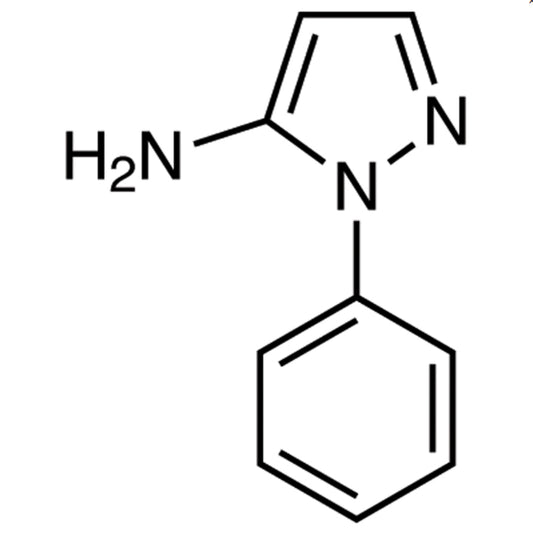
- TCI A0174 826-85-7 5-Amino-1-phenylpyrazole
- TCI T2724 1072-91-9 1,3,5-Trimethylpyrazole
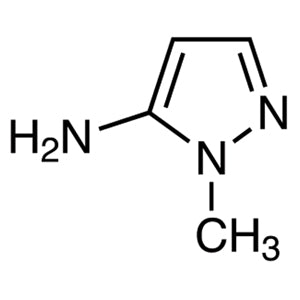
- TCI A3303 1192-21-8 5-Amino-1-methylpyrazole
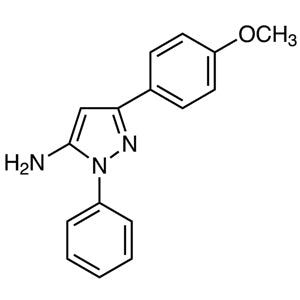
- TCI A3055 19652-13-2 5-Amino-3-(4-methoxyphenyl)-1-phenylpyrazole
- Organic synthesis of heterocyclic compounds due to its versatile chemical structure and reactivity.
- Development of bioactive molecules for pharmaceutical research as a key intermediate in drug candidate synthesis.
- Investigation of chemical reactivity in controlled laboratory environments for academic and industrial research.
- Creation of complex molecular frameworks for medicinal chemistry applications requiring precise structural modifications.
- Support for research in pharmaceutical development by enabling the synthesis of compounds with specific biological activities.
| Brand | TCI |
|---|---|
| CAS number | 10250-61-0 |
| Molecular formula | — |
| Purity | — |
| Category | Chemistry > Building Blocks > Heterocyclic Building Blocks |
| Pack sizes | As per supplier specifications |
| Physical form | Solid (as per standard product description) |
| Storage | Store in a cool, dry place away from light and moisture |
This compound should be stored in a cool, dry place, away from direct light and moisture to maintain its chemical stability. It is recommended to use airtight containers to prevent exposure to air and moisture, which could affect its integrity. In laboratory settings, it should be handled with appropriate personal protective equipment to ensure safety. Due to its controlled reactivity, it should be stored separately from incompatible substances. Proper labeling and storage conditions are essential to maintain its effectiveness and safety during use. Always follow standard laboratory safety protocols when handling and manipulating this compound.
—
Produk Terkait
-
Ethyl1,5-Dimethylpyrazole-3-carboxylate TCI E1002
Regular price From Rp 505.050,00Regular price -
Ethyl1,3-Dimethylpyrazole-5-carboxylate TCI E1001
Regular price Rp 875.700,00Regular price -
5-Amino-1-phenylpyrazole TCI A0174
Regular price From Rp 4.373.250,00Regular price -
1,3,5-Trimethylpyrazole TCI T2724
Regular price From Rp 717.150,00Regular price -
5-Amino-1-methylpyrazole TCI A3303
Regular price From Rp 1.803.900,00Regular price -
5-Amino-3-(4-methoxyphenyl)-1-phenylpyrazole TCI A3055
Regular price From Rp 1.087.800,00Regular price -
5-Amino-3-(4-chlorophenyl)-1-phenylpyrazole TCI A3033
Regular price From Rp 1.510.950,00Regular price -
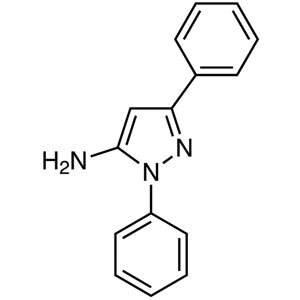
5-Amino-1,3-diphenylpyrazole TCI A2904
Regular price From Rp 823.200,00Regular price