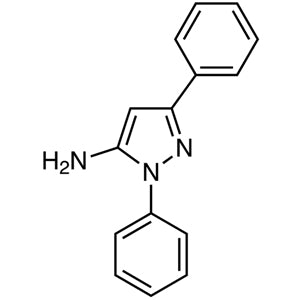
5-Amino-1-methylpyrazole is a chemical compound classified under the heterocyclic category, commonly used as a building block in the synthesis of complex compounds. Its fundamental pyrazole structure allows for versatile modifications, making it a valuable resource in organic chemistry and pharmaceutical research. In the laboratory, it serves as a key intermediate for creating a wide range of functional molecules, including pharmaceuticals, pesticides, and industrial chemicals. Its role is crucial in the development of new compounds with specific biological or chemical properties.
This compound is preferred due to its stable chemical structure and controlled reactivity, which enable it to participate in various chemical reactions efficiently. Its predictable melting point and solubility characteristics make it suitable for laboratory-scale processing and experimentation. The ease with which it reacts with different reagents further enhances its utility in synthetic pathways. These properties ensure that it remains a reliable and consistent material for researchers and students alike.
In Indonesian laboratories, 5-Amino-1-methylpyrazole is frequently used in both fundamental and applied chemical research. It is commonly found in academic institutions and research centers where organic synthesis and drug development are key areas of study. Its availability and reliability make it a go-to compound for experiments requiring heterocyclic building blocks. Researchers and students rely on its consistent performance to achieve accurate and reproducible results in their experiments.
Related TCI products
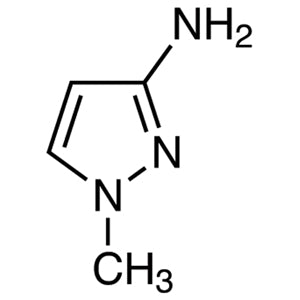
- TCI A2277 1904-31-0 3-Amino-1-methylpyrazole
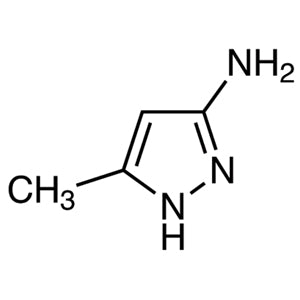
- TCI A1133 31230-17-8 3-Amino-5-methylpyrazole
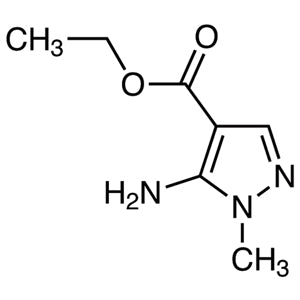
- TCI E0986 31037-02-2 Ethyl 5-Amino-1-methylpyrazole-4-carboxylate
- TCI A0174 826-85-7 5-Amino-1-phenylpyrazole
- TCI T2724 1072-91-9 1,3,5-Trimethylpyrazole
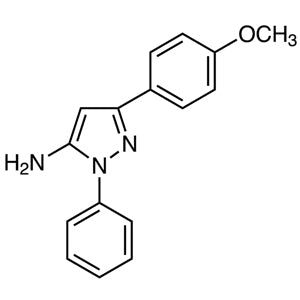
- TCI A3055 19652-13-2 5-Amino-3-(4-methoxyphenyl)-1-phenylpyrazole
- Organic synthesis: This compound is widely used in the synthesis of complex organic molecules due to its versatile reactivity and structural adaptability.
- Pharmaceutical research: It serves as a key intermediate in the development of new drugs, particularly in the design of compounds with specific biological activities.
- Pesticide formulation: Its chemical structure makes it suitable for the creation of agricultural chemicals, contributing to the development of effective pest control agents.
- Industrial chemical production: It is utilized in the manufacture of various industrial chemicals where heterocyclic compounds are required for specific functional properties.
- Educational experiments: It is commonly used in academic settings for teaching and demonstrating synthetic chemistry techniques and heterocyclic compound behavior.
| Brand | TCI |
|---|---|
| CAS number | 1192-21-8 |
| Molecular formula | — |
| Purity | — |
| Category | Chemistry > Building Blocks > Heterocyclic Building Blocks |
| Pack sizes | Available in various quantities as per standard laboratory supply options |
| Physical form | Solid |
| Storage | Store in a cool, dry place away from direct sunlight and moisture |
This compound should be stored in a cool, dry environment to maintain its chemical stability. It is recommended to use airtight containers to prevent exposure to moisture and air, which could affect its reactivity. Proper labeling of storage containers is essential for safe handling and identification. In laboratory settings, it should be kept away from incompatible substances to avoid any potential chemical interactions. Regular inspection of storage conditions ensures the compound remains in optimal condition for use. Always follow standard safety protocols when handling and storing chemical materials.
—
Produk Terkait
-
3-Amino-1-methylpyrazole TCI A2277
Regular price From Rp 582.750,00Regular priceRp 423.150,00Sale price From Rp 582.750,00 -
3-Amino-5-methylpyrazole TCI A1133
Regular price Rp 2.862.300,00Regular priceRp 2.017.050,00Sale price Rp 2.862.300,00 -
Ethyl5-Amino-1-methylpyrazole-4-carboxylate TCI E0986
Regular price From Rp 717.150,00Regular priceRp 516.600,00Sale price From Rp 717.150,00 -
5-Amino-1-phenylpyrazole TCI A0174
Regular price From Rp 4.425.750,00Regular priceRp 3.110.100,00Sale price From Rp 4.425.750,00 -
1,3,5-Trimethylpyrazole TCI T2724
Regular price From Rp 769.650,00Regular priceRp 553.350,00Sale price From Rp 769.650,00 -
5-Amino-3-(4-methoxyphenyl)-1-phenylpyrazole TCI A3055
Regular price From Rp 1.140.300,00Regular priceRp 812.700,00Sale price From Rp 1.140.300,00 -
5-Amino-3-(4-chlorophenyl)-1-phenylpyrazole TCI A3033
Regular price From Rp 1.563.450,00Regular priceRp 1.108.800,00Sale price From Rp 1.563.450,00 -
5-Amino-1,3-diphenylpyrazole TCI A2904
Regular price From Rp 875.700,00Regular priceRp 627.900,00Sale price From Rp 875.700,00