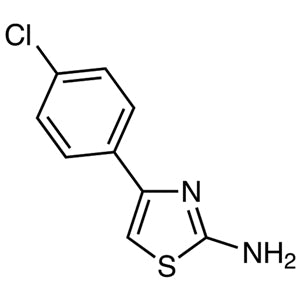
5-Amino-3-(4-chlorophenyl)-1-phenylpyrazole is a chemical compound classified under heterocyclic building blocks, playing a crucial role in organic chemistry and pharmaceutical research. This compound is widely used as a foundational element in the synthesis of complex molecules, particularly in the development of bioactive substances. Its molecular structure is intricate, enabling it to participate in various chemical reactions with high reactivity and stability. Due to its unique heterocyclic framework, it is highly valued for its ability to interact with different functional groups, making it a versatile tool in synthetic chemistry.
The compound's chemical properties, including its reactivity and structural stability, make it a preferred choice for researchers seeking to design new compounds with specific biological activities. Its ability to form stable intermediates and participate in diverse reaction pathways enhances its utility in both academic and industrial settings. The compound is also favored for its compatibility with a wide range of synthetic methods, allowing for greater flexibility in experimental design. These characteristics contribute to its popularity among scientists working in organic chemistry and pharmacology.
In Indonesian laboratories, 5-Amino-3-(4-chlorophenyl)-1-phenylpyrazole is commonly used in research projects aimed at developing new pharmaceuticals and organic compounds. Its availability in solid form and ease of handling make it a practical option for researchers. It is frequently sought after by scientists in higher education institutions and research organizations, where it supports a variety of chemical synthesis and analytical studies. Its role in advancing scientific discovery is significant, particularly in the field of medicinal chemistry.
Related TCI products
- TCI A0174 826-85-7 5-Amino-1-phenylpyrazole
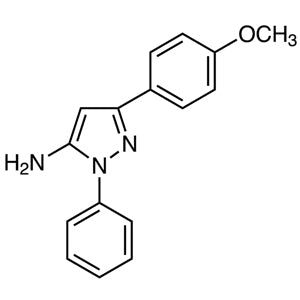
- TCI A3055 19652-13-2 5-Amino-3-(4-methoxyphenyl)-1-phenylpyrazole
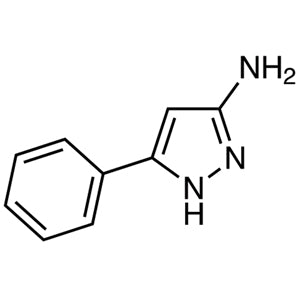
- TCI A2102 1572-10-7 3-Amino-5-phenylpyrazole
- TCI A1311 1131-18-6 5-Amino-3-methyl-1-phenylpyrazole
- TCI E1258 16078-71-0 Ethyl 5-Amino-1-phenylpyrazole-4-carboxylate
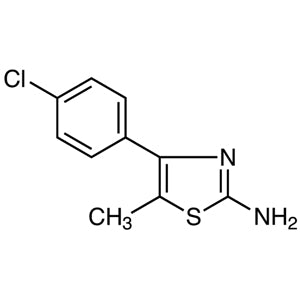
- TCI A3066 82632-77-7 2-Amino-4-(4-chlorophenyl)-5-methylthiazole
- Organic synthesis of bioactive compounds due to its reactivity and structural versatility in creating complex molecules.
- Pharmaceutical research for the development of new drugs as a building block in synthesizing active pharmaceutical ingredients.
- Heterocyclic compound studies to explore its chemical behavior and interactions with functional groups.
- Academic research in chemistry departments for teaching and experimental purposes in synthetic chemistry courses.
- Drug discovery projects where the compound is used to generate derivatives with potential therapeutic applications.
| Brand | TCI |
|---|---|
| CAS number | 19652-14-3 |
| Molecular formula | — |
| Purity | — |
| Category | Chemistry > Building Blocks > Heterocyclic Building Blocks |
| Pack sizes | Available in standard laboratory quantities as per supplier specifications |
| Physical form | Solid |
| Storage | Store in a cool, dry place away from light and moisture |
This compound should be stored in a cool, dry environment, away from direct light and moisture to maintain its chemical integrity. It is recommended to use airtight containers made of glass or high-density polyethylene to prevent contamination and degradation. Due to its chemical nature, it should be handled with appropriate personal protective equipment, including gloves and safety goggles, to ensure laboratory safety. Proper ventilation is essential when working with this compound to minimize exposure. It should not be stored near incompatible materials such as strong oxidizers or acids. Regular inspection of storage conditions is advised to ensure optimal preservation of the compound’s properties.
—
Produk Terkait
-
5-Amino-1-phenylpyrazole TCI A0174
Regular price From Rp 4.425.750,00Regular priceRp 3.110.100,00Sale price From Rp 4.425.750,00 -
5-Amino-3-(4-methoxyphenyl)-1-phenylpyrazole TCI A3055
Regular price From Rp 1.140.300,00Regular priceRp 812.700,00Sale price From Rp 1.140.300,00 -
3-Amino-5-phenylpyrazole TCI A2102
Regular price Rp 689.850,00Regular priceRp 497.700,00Sale price Rp 689.850,00 -
5-Amino-3-methyl-1-phenylpyrazole TCI A1311
Regular price Rp 1.618.050,00Regular priceRp 1.146.600,00Sale price Rp 1.618.050,00 -
Ethyl5-Amino-1-phenylpyrazole-4-carboxylate TCI E1258
Regular price From Rp 2.173.500,00Regular priceRp 1.535.100,00Sale price From Rp 2.173.500,00 -
2-Amino-4-(4-chlorophenyl)-5-methylthiazole TCI A3066
Regular price From Rp 1.087.800,00Regular priceRp 775.950,00Sale price From Rp 1.087.800,00 -
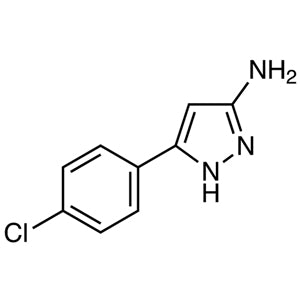
3-Amino-5-(4-chlorophenyl)pyrazole TCI A2952
Regular price From Rp 900.900,00Regular priceRp 645.750,00Sale price From Rp 900.900,00 -
2-Amino-4-(4-chlorophenyl)thiazole TCI A2841
Regular price From Rp 610.050,00Regular priceRp 442.050,00Sale price From Rp 610.050,00