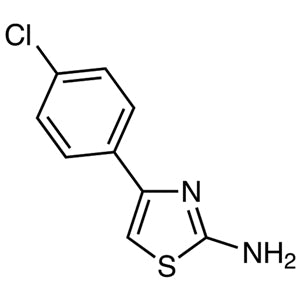
2-Amino-4-(4-chlorophenyl)-5-methylthiazole is a chemical compound widely used as a building block in the synthesis of heterocyclic compounds. Its unique molecular structure makes it a valuable component in organic chemistry research, particularly in the development of bioactive molecules. In laboratory settings, this compound plays a crucial role in facilitating complex chemical reactions that require the presence of heterocyclic frameworks. Due to its structural versatility, it is frequently employed in pharmaceutical research and drug synthesis, where precise molecular design is essential.
The compound’s chemical properties, including the presence of an amino group and a thiazole ring, contribute to its high reactivity. These features allow it to participate in a variety of chemical transformations, making it a preferred choice for synthetic chemists. Its stability under controlled conditions ensures reliable performance in laboratory experiments, while its reactivity enables the formation of new molecular structures. These characteristics make it an essential tool for researchers working on advanced chemical synthesis projects.
In Indonesian laboratories, 2-Amino-4-(4-chlorophenyl)-5-methylthiazole is commonly used in scientific research related to organic chemistry and pharmacology. It is a key reagent in the development of new compounds with biological activity, supporting both academic and industrial research initiatives. Many educational institutions and research centers in Indonesia rely on this compound for their experimental work, contributing to the advancement of chemical and pharmaceutical sciences.
Related TCI products
- TCI A0336 6142-15-0 2-Amino-4-methylthiazole Hydrochloride
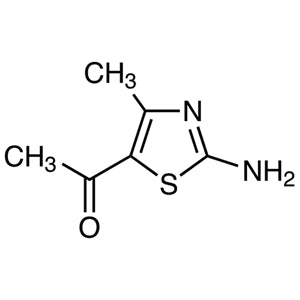
- TCI A2887 30748-47-1 5-Acetyl-2-amino-4-methylthiazole
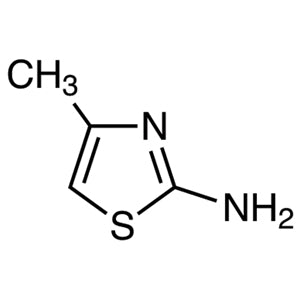
- TCI A1303 1603-91-4 2-Amino-4-methylthiazole
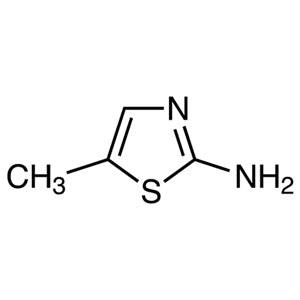
- TCI A1250 7305-71-7 2-Amino-5-methylthiazole
- TCI E0898 7210-76-6 Ethyl 2-Amino-4-methylthiazole-5-carboxylate
- TCI A3033 19652-14-3 5-Amino-3-(4-chlorophenyl)-1-phenylpyrazole
- Organic synthesis of bioactive molecules due to its heterocyclic structure and reactivity.
- Development of pharmaceutical compounds as a key intermediate in drug design processes.
- Research in pharmacology for the creation of new therapeutic agents with targeted biological activity.
- Molecular modification studies to explore structural variations and their chemical properties.
- Advanced chemical reactions requiring the presence of amino and thiazole functional groups.
| Brand | TCI |
|---|---|
| CAS number | 82632-77-7 |
| Molecular formula | — |
| Purity | — |
| Category | Chemistry > Building Blocks > Heterocyclic Building Blocks |
| Pack sizes | As available from supplier |
| Physical form | Solid (as per standard product description) |
| Storage | Store in a cool, dry place away from light and moisture |
This compound should be stored in a cool, dry location, away from direct light and moisture to maintain its chemical stability. It is recommended to use airtight containers to prevent exposure to air and humidity, which could affect its reactivity. In laboratory settings, it should be handled with appropriate personal protective equipment, such as gloves and safety goggles, to ensure safe handling. Due to its reactive nature, it should be kept in a well-ventilated area to minimize any potential hazards. Proper storage and handling practices are essential to maintain the compound’s integrity and ensure safe usage in research environments.
—
Produk Terkait
-
2-Amino-4-methylthiazoleHydrochloride TCI A0336
Regular price From Rp 1.378.650,00Regular priceRp 979.650,00Sale price From Rp 1.378.650,00 -
5-Acetyl-2-amino-4-methylthiazole TCI A2887
Regular price From Rp 822.150,00Regular priceRp 590.100,00Sale price From Rp 822.150,00 -
2-Amino-4-methylthiazole TCI A1303
Regular price Rp 1.881.600,00Regular priceRp 1.331.400,00Sale price Rp 1.881.600,00 -
2-Amino-5-methylthiazole TCI A1250
Regular price Rp 1.246.350,00Regular priceRp 887.250,00Sale price Rp 1.246.350,00 -
Ethyl2-Amino-4-methylthiazole-5-carboxylate TCI E0898
Regular price From Rp 1.140.300,00Regular priceRp 812.700,00Sale price From Rp 1.140.300,00 -
5-Amino-3-(4-chlorophenyl)-1-phenylpyrazole TCI A3033
Regular price From Rp 1.563.450,00Regular priceRp 1.108.800,00Sale price From Rp 1.563.450,00 -
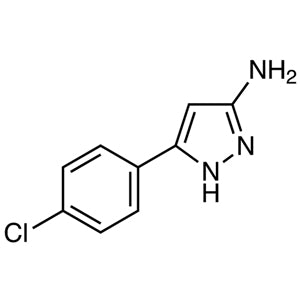
3-Amino-5-(4-chlorophenyl)pyrazole TCI A2952
Regular price From Rp 900.900,00Regular priceRp 645.750,00Sale price From Rp 900.900,00 -
2-Amino-4-(4-chlorophenyl)thiazole TCI A2841
Regular price From Rp 610.050,00Regular priceRp 442.050,00Sale price From Rp 610.050,00