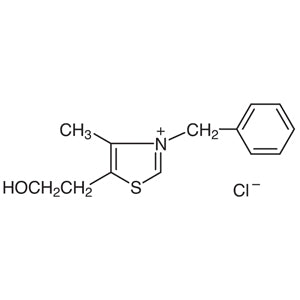
2-Amino-5-methylthiazole is a chemical compound classified under heterocyclic building blocks, featuring a thiazole ring with substitutions on nitrogen and sulfur atoms. This compound serves as a fundamental building block in organic chemistry, enabling the synthesis of complex molecules with biological activity. In the laboratory, it plays a crucial role in the development of pharmaceuticals, pesticides, and industrial chemicals by providing a versatile starting point for molecular construction. Its structural simplicity and reactivity make it a valuable tool for chemists seeking to create functional derivatives.
The compound exhibits polar characteristics, allowing it to participate in various chemical reactions such as substitution, condensation, and reactions with reagents like alkyl halides or acids. Its controlled reactivity and stable chemical structure make it a preferred choice for synthetic pathways. Additionally, its solid form facilitates accurate weighing and handling in laboratory settings, enhancing precision in experimental procedures. These properties contribute to its widespread use in both academic and industrial research environments.
In Indonesian laboratories, 2-Amino-5-methylthiazole is commonly used in organic chemistry research, particularly in the development of bioactive compounds and pharmaceutical products. It is frequently employed in synthesis projects aimed at creating new drugs and agrochemicals. Its availability and reliability make it a go-to material for researchers in universities and research institutions across Indonesia.
TCI brochures (PDF)
- Aminothiazole Building Blocks for the Synthesis of Bioactive Compounds 2025-06-26 · p. 1
Related TCI products
- TCI A0336 6142-15-0 2-Amino-4-methylthiazole Hydrochloride
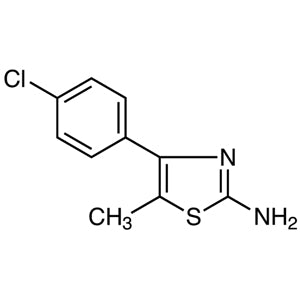
- TCI A3066 82632-77-7 2-Amino-4-(4-chlorophenyl)-5-methylthiazole
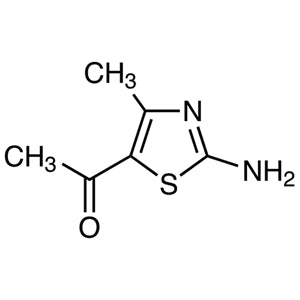
- TCI A2887 30748-47-1 5-Acetyl-2-amino-4-methylthiazole
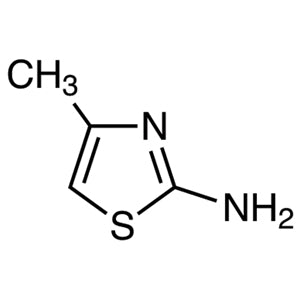
- TCI A1303 1603-91-4 2-Amino-4-methylthiazole
- TCI E0898 7210-76-6 Ethyl 2-Amino-4-methylthiazole-5-carboxylate
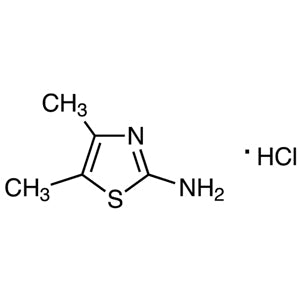
- TCI A0292 71574-33-9 2-Amino-4,5-dimethylthiazole Hydrochloride
- Organic synthesis projects benefit from this compound due to its versatile reactivity and role in building complex heterocyclic structures.
- Pharmaceutical research utilizes it as a key intermediate in the development of bioactive compounds and drug molecules.
- Industrial chemical production relies on its stability and reactivity for creating functional derivatives in various applications.
- Academic research in Indonesian universities uses it extensively for teaching and experimental purposes in organic chemistry courses.
- Agrochemical development incorporates this compound in the synthesis of pesticides and herbicides with targeted biological activity.
| Brand | TCI |
|---|---|
| CAS number | 7305-71-7 |
| Molecular formula | — |
| Purity | — |
| Category | Chemistry > Building Blocks > Heterocyclic Building Blocks |
| Pack sizes | Available in standard laboratory quantities as per supplier specifications |
| Physical form | Solid |
| Storage | Store in a cool, dry place away from light and moisture |
This compound should be stored in a cool, dry environment, away from direct light and moisture to maintain its chemical integrity. It is recommended to use airtight containers to prevent exposure to humidity and contaminants. Due to its polar nature, it may absorb moisture from the air, so desiccant packaging is advisable. General laboratory precautions include wearing appropriate personal protective equipment, such as gloves and safety goggles, when handling. It should be kept in a well-ventilated area to minimize inhalation risks. Proper labeling and storage in designated chemical cabinets are essential for safe handling and accessibility.
—
Produk Terkait
-
2-Amino-4-methylthiazoleHydrochloride TCI A0336
Regular price From Rp 1.378.650,00Regular priceRp 979.650,00Sale price From Rp 1.378.650,00 -
2-Amino-4-(4-chlorophenyl)-5-methylthiazole TCI A3066
Regular price From Rp 1.087.800,00Regular priceRp 775.950,00Sale price From Rp 1.087.800,00 -
5-Acetyl-2-amino-4-methylthiazole TCI A2887
Regular price From Rp 822.150,00Regular priceRp 590.100,00Sale price From Rp 822.150,00 -
2-Amino-4-methylthiazole TCI A1303
Regular price Rp 1.881.600,00Regular priceRp 1.331.400,00Sale price Rp 1.881.600,00 -
Ethyl2-Amino-4-methylthiazole-5-carboxylate TCI E0898
Regular price From Rp 1.140.300,00Regular priceRp 812.700,00Sale price From Rp 1.140.300,00 -
2-Amino-4,5-dimethylthiazoleHydrochloride TCI A0292
Regular price From Rp 557.550,00Regular priceRp 405.300,00Sale price From Rp 557.550,00 -
3-Benzyl-4-methylthiazoliumChloride TCI B1940
Regular price Rp 3.048.150,00Regular priceRp 2.147.250,00Sale price Rp 3.048.150,00 -
3-Benzyl-5-(2-hydroxyethyl)-4-methylthiazoliumChloride TCI B1224
Regular price Rp 2.279.550,00Regular priceRp 1.609.650,00Sale price Rp 2.279.550,00