3-Benzyl-5-(2-hydroxyethyl)-4-methylthiazolium Chloride is a chemical compound widely used in organic reactions as a building block for the synthesis of heterocyclic compounds. Its complex structure enables it to act as an intermediate in the creation of molecules with biological activity. In the laboratory, it serves as a versatile reagent that supports the development of compounds with applications in pharmacology and organic chemistry. This compound is particularly valued for its role in the synthesis of bioactive molecules, making it an essential tool for researchers working on drug discovery and chemical innovation.
The compound is chemically stable under specific conditions and can react with various organic reagents, making it a preferred choice for synthetic chemists. Its heterocyclic structure allows it to participate in substitution and cyclic reactions, enhancing its utility in complex molecule synthesis. The compound’s ability to serve as a flexible building block makes it highly adaptable to different synthetic strategies. Its stability and reactivity contribute to its popularity in both academic and industrial research settings.
In Indonesian laboratories, this compound is commonly used for research related to the synthesis of bioactive compounds, particularly in the fields of pharmacy and medicinal chemistry. Many research institutions and universities incorporate it into their experimental programs to explore new synthetic pathways. Its application is especially relevant in the development of pharmaceuticals, where the synthesis of complex molecules is essential for drug discovery and innovation.
Related TCI products
- TCI B1940 4209-18-1 3-Benzyl-4-methylthiazolium Chloride
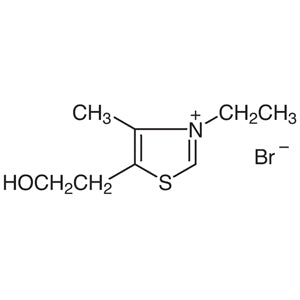
- TCI E0511 54016-70-5 3-Ethyl-5-(2-hydroxyethyl)-4-methylthiazolium Bromide
- TCI A0336 6142-15-0 2-Amino-4-methylthiazole Hydrochloride
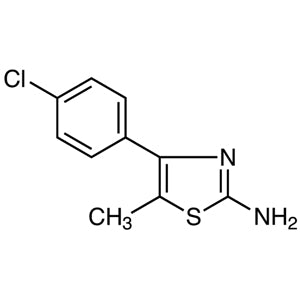
- TCI A3066 82632-77-7 2-Amino-4-(4-chlorophenyl)-5-methylthiazole
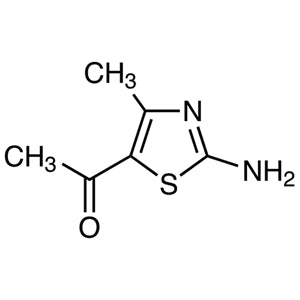
- TCI A2887 30748-47-1 5-Acetyl-2-amino-4-methylthiazole
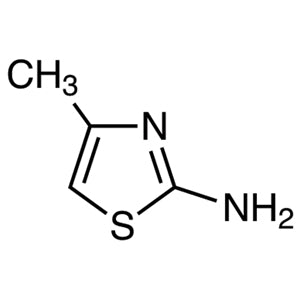
- TCI A1303 1603-91-4 2-Amino-4-methylthiazole
- Bioactive Compound Synthesis: This compound is ideal for creating molecules with biological activity, supporting pharmaceutical research and drug development.
- Organic Chemistry Research: Its reactivity and structural versatility make it a valuable tool for exploring new synthetic methods and reaction mechanisms.
- Medicinal Chemistry Studies: It is frequently used in the design and synthesis of compounds with potential therapeutic applications.
- Heterocyclic Compound Development: The compound’s heterocyclic structure enables its use in the synthesis of a wide range of heterocyclic derivatives.
- Drug Discovery Programs: It supports the creation of novel compounds that may lead to the development of new therapeutic agents.
| Brand | TCI |
|---|---|
| CAS number | 4568-71-2 |
| Molecular formula | — |
| Purity | — |
| Category | Chemistry > Building Blocks > Heterocyclic Building Blocks |
| Pack sizes | Available in various quantities as per standard laboratory supply |
| Physical form | Solid, crystalline or powder, depending on the batch |
| Storage | Store in a cool, dry place away from light and moisture |
This compound should be stored in a cool, dry environment, away from direct light and moisture to maintain its chemical stability. It is recommended to use airtight containers to prevent exposure to humidity and air, which may affect its reactivity. In laboratory settings, it should be handled with appropriate personal protective equipment, such as gloves and safety goggles, to ensure safe handling. While it is generally stable under normal storage conditions, it should be kept away from incompatible substances to avoid any potential chemical interactions. Proper storage and handling are essential to preserve its integrity and ensure its effectiveness in synthetic applications.
—
Produk Terkait
-
3-Benzyl-4-methylthiazoliumChloride TCI B1940
Regular price Rp 3.048.150,00Regular priceRp 2.147.250,00Sale price Rp 3.048.150,00 -
3-Ethyl-5-(2-hydroxyethyl)-4-methylthiazoliumBromide TCI E0511
Regular price From Rp 795.900,00Regular priceRp 572.250,00Sale price From Rp 795.900,00 -
2-Amino-4-methylthiazoleHydrochloride TCI A0336
Regular price From Rp 1.378.650,00Regular priceRp 979.650,00Sale price From Rp 1.378.650,00 -
2-Amino-4-(4-chlorophenyl)-5-methylthiazole TCI A3066
Regular price From Rp 1.087.800,00Regular priceRp 775.950,00Sale price From Rp 1.087.800,00 -
5-Acetyl-2-amino-4-methylthiazole TCI A2887
Regular price From Rp 822.150,00Regular priceRp 590.100,00Sale price From Rp 822.150,00 -
2-Amino-4-methylthiazole TCI A1303
Regular price Rp 1.881.600,00Regular priceRp 1.331.400,00Sale price Rp 1.881.600,00 -
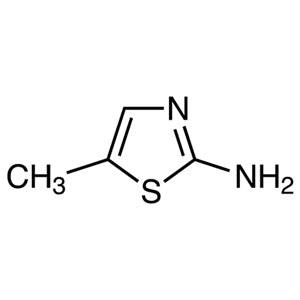
2-Amino-5-methylthiazole TCI A1250
Regular price Rp 1.246.350,00Regular priceRp 887.250,00Sale price Rp 1.246.350,00 -
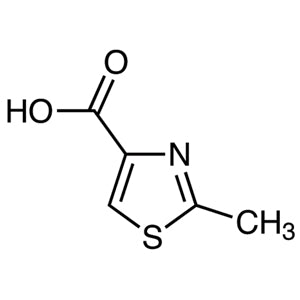
2-Methylthiazole-4-carboxylicAcid TCI M2802
Regular price From Rp 742.350,00Regular priceRp 534.450,00Sale price From Rp 742.350,00