2-Amino-4-methylthiazole is a chemical compound widely used in laboratory settings for the synthesis of heterocyclic compounds and their derivatives. As a key building block in organic chemistry, it plays a vital role in the development of complex molecular structures. This compound is essential for researchers working on the creation of pharmaceuticals, agrochemicals, and industrial chemicals. Its versatility makes it a valuable resource in both academic and industrial research environments.
The compound is valued for its chemical stability under specific conditions and its ability to form bonds with various functional groups. These properties make it an ideal candidate for a wide range of synthetic reactions, including substitution and bond formation. Its complex yet reactive structure allows for easy modification through chemical reactions, making it a preferred choice for organic chemists. The compound’s reactivity and structural flexibility contribute to its popularity in laboratory experiments requiring high chemical activity.
In Indonesian laboratories, 2-Amino-4-methylthiazole is commonly used in chemical, pharmaceutical, and industrial research. It is a critical component in the development of new drugs, pesticides, and chemical materials. Its widespread application across multiple scientific fields highlights its importance in both academic and industrial research. Laboratories in Indonesia rely on this compound for its reliability and effectiveness in chemical synthesis processes.
TCI brochures (PDF)
- Aminothiazole Building Blocks for the Synthesis of Bioactive Compounds 2025-06-26 · p. 1
Related TCI products
- TCI A0336 6142-15-0 2-Amino-4-methylthiazole Hydrochloride
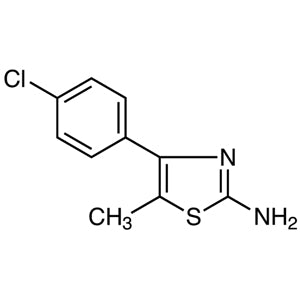
- TCI A3066 82632-77-7 2-Amino-4-(4-chlorophenyl)-5-methylthiazole
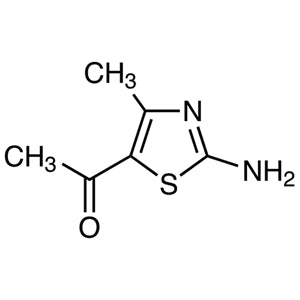
- TCI A2887 30748-47-1 5-Acetyl-2-amino-4-methylthiazole
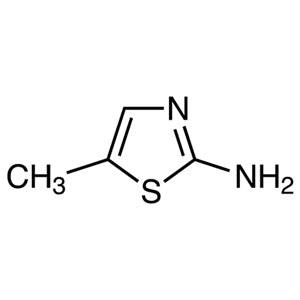
- TCI A1250 7305-71-7 2-Amino-5-methylthiazole
- TCI E0898 7210-76-6 Ethyl 2-Amino-4-methylthiazole-5-carboxylate
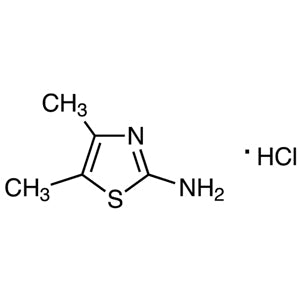
- TCI A0292 71574-33-9 2-Amino-4,5-dimethylthiazole Hydrochloride
- Organic synthesis is a primary application for 2-Amino-4-methylthiazole as it serves as a versatile building block for creating complex heterocyclic compounds.
- Pharmaceutical research benefits from this compound due to its role in the development of new drug molecules and therapeutic agents.
- Agrochemical development utilizes this compound for the synthesis of pesticides and herbicides with enhanced efficacy and stability.
- Industrial chemical production relies on this compound for the creation of various chemical intermediates and specialty materials.
- Analytical chemistry applications use this compound as a standard reference for qualitative and quantitative analysis in chemical testing.
| Brand | TCI |
|---|---|
| CAS number | 1603-91-4 |
| Molecular formula | — |
| Purity | — |
| Category | Chemistry > Building Blocks > Heterocyclic Building Blocks |
| Pack sizes | Available in various quantities as per standard laboratory requirements |
| Physical form | Solid, crystalline powder |
| Storage | Store in a cool, dry place away from light and moisture |
This compound should be stored in a cool, dry environment, away from direct sunlight and moisture. It is recommended to use airtight containers to prevent exposure to air and humidity. Proper ventilation is essential when handling this material to minimize inhalation risks. Laboratory personnel should wear appropriate personal protective equipment, including gloves and safety goggles, when working with this compound. It is important to keep the compound away from incompatible substances such as strong oxidizers. Regular inspection of storage conditions ensures the compound remains stable and safe for use in laboratory settings.
—
Produk Terkait
-
2-Amino-4-methylthiazoleHydrochloride TCI A0336
Regular price From Rp 1.378.650,00Regular priceRp 979.650,00Sale price From Rp 1.378.650,00 -
2-Amino-4-(4-chlorophenyl)-5-methylthiazole TCI A3066
Regular price From Rp 1.087.800,00Regular priceRp 775.950,00Sale price From Rp 1.087.800,00 -
5-Acetyl-2-amino-4-methylthiazole TCI A2887
Regular price From Rp 822.150,00Regular priceRp 590.100,00Sale price From Rp 822.150,00 -
2-Amino-5-methylthiazole TCI A1250
Regular price Rp 1.246.350,00Regular priceRp 887.250,00Sale price Rp 1.246.350,00 -
Ethyl2-Amino-4-methylthiazole-5-carboxylate TCI E0898
Regular price From Rp 1.140.300,00Regular priceRp 812.700,00Sale price From Rp 1.140.300,00 -
2-Amino-4,5-dimethylthiazoleHydrochloride TCI A0292
Regular price From Rp 557.550,00Regular priceRp 405.300,00Sale price From Rp 557.550,00 -
3-Benzyl-4-methylthiazoliumChloride TCI B1940
Regular price Rp 3.048.150,00Regular priceRp 2.147.250,00Sale price Rp 3.048.150,00 -
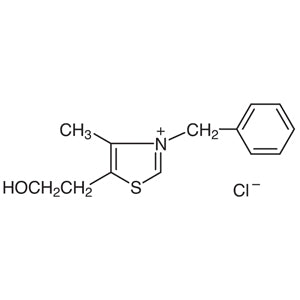
3-Benzyl-5-(2-hydroxyethyl)-4-methylthiazoliumChloride TCI B1224
Regular price Rp 2.279.550,00Regular priceRp 1.609.650,00Sale price Rp 2.279.550,00