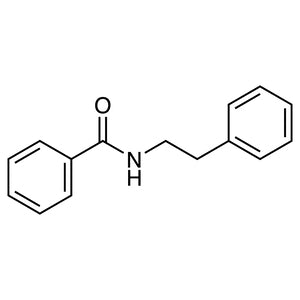
N,N-Diethyl-2,3-dimethylbenzamide is a chemical compound widely used as a building block in the synthesis of complex organic compounds. This versatile reagent plays a crucial role in laboratory settings, where it serves as a key component in various chemical reactions. Its molecular structure allows for a wide range of chemical modifications, making it an essential tool for chemists working on drug development, polymer synthesis, and industrial chemical production. Due to its stability and reactivity, it is frequently selected for applications requiring precise control over chemical transformations.
The compound’s chemical properties, including its aromatic structure and moderate melting and boiling points, make it a preferred choice in laboratory environments. These characteristics ensure that it remains stable under various reaction conditions while still being reactive enough to participate in multiple synthetic pathways. Its ability to withstand high-temperature processes without significant degradation further enhances its utility in complex chemical syntheses. The compound’s chemical inertness also makes it suitable for use in applications where maintaining the integrity of other reagents is critical.
In Indonesian laboratories, N,N-Diethyl-2,3-dimethylbenzamide is commonly used in organic chemistry research and development. It is a staple in academic and industrial settings where the synthesis of pharmaceuticals, polymers, and specialty chemicals is required. Its availability and reliability make it a go-to material for researchers aiming to produce high-quality chemical products with consistent results.
- Organic synthesis is a primary application where this compound is used to build complex molecular structures due to its reactivity and structural versatility.
- Pharmaceutical research benefits from its use in the development of new drugs, as it can be modified to create various functional groups.
- Polymer chemistry applications rely on this compound for creating materials with specific properties, such as flexibility and durability.
- Industrial chemical production utilizes it as a key component in the manufacturing of specialty chemicals and additives.
- Analytical chemistry uses it as a standard reference material for testing and calibration of analytical instruments.
| Brand | TCI |
|---|---|
| CAS number | 57806-76-5 |
| Molecular formula | — |
| Purity | — |
| Category | Chemistry > Building Blocks > Non-Heterocyclic Building Blocks |
| Pack sizes | Available in various quantities as per standard chemical supply practices |
| Physical form | Solid, typically in crystalline or powder form |
| Storage | Store in a cool, dry place away from direct sunlight and moisture |
This compound should be stored in a cool, dry environment to maintain its chemical stability. It is recommended to keep it in airtight containers to prevent moisture absorption and contamination. Due to its chemical nature, it should be handled with appropriate personal protective equipment, such as gloves and safety goggles, to ensure laboratory safety. Avoid exposure to high temperatures and direct sunlight, as these can affect its physical properties. In a laboratory setting, it is important to store it separately from incompatible substances to prevent any potential chemical reactions. Proper labeling and storage practices help maintain the integrity of the compound and ensure safe handling in all experimental procedures.
—
Produk Terkait
-
3,4-Dimethylbenzamide TCI D6227
Regular price From Rp 2.199.750,00Regular price -
N,N-Dimethylbenzamide TCI D0256
Regular price From Rp 1.167.600,00Regular price -
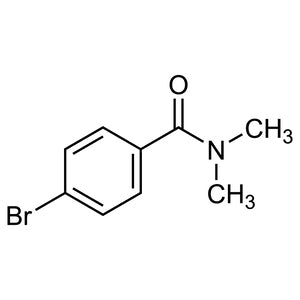
4-Bromo-N,N-dimethylbenzamide TCI B6806
Regular price From Rp 2.545.200,00Regular price -
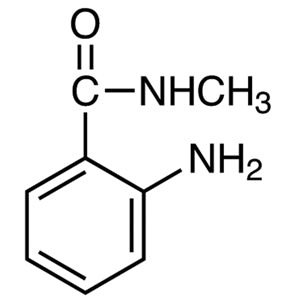
2-Amino-N-methylbenzamide TCI A2597
Regular price From Rp 1.803.900,00Regular price -
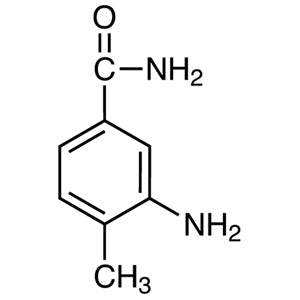
3-Amino-4-methylbenzamide TCI A2367
Regular price From Rp 1.193.850,00Regular price -
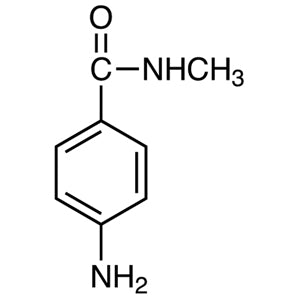
4-Amino-N-methylbenzamide TCI A2064
Regular price From Rp 848.400,00Regular price -
3-Amino-N-methylbenzamide TCI A1067
Regular price From Rp 2.174.550,00Regular price -
N-Phenethylbenzamide TCI P2985
Regular price From Rp 1.115.100,00Regular price