3,4-Dihydro-2H-pyran-2-methanol is a chemical compound widely used in organic reactions, particularly in the synthesis of heterocyclic compounds and complex molecular structures. As a key building block in chemical research, it serves as a versatile intermediate in various synthetic pathways. Its ability to participate in multiple reaction types makes it an essential tool for chemists working on the development of new compounds. This compound is commonly found in laboratories as a foundational material for creating more complex chemical entities.
The compound's stable chemical structure and reactivity make it a preferred choice for researchers. It functions as an electron donor and can be involved in reactions requiring hydroxyl groups. Its reactivity is well-suited for use in both acidic and basic environments, offering flexibility in experimental conditions. The availability of this compound in liquid form simplifies handling and storage, making it a practical option for laboratory use. Its reliability and consistent performance contribute to its popularity in chemical synthesis.
In Indonesian laboratories, 3,4-Dihydro-2H-pyran-2-methanol plays a significant role in organic chemistry, pharmaceutical, and materials research. It is frequently used as a starting material for developing new compounds and is an essential component in academic and industrial research settings. Its application is widespread across various research institutions and universities in Indonesia, supporting advancements in chemical science and technology.
Related TCI products
- TCI D6554 3174-74-1 3,6-Dihydro-2H-pyran
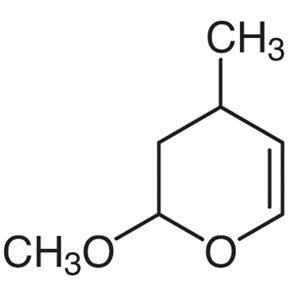
- TCI D2053 53608-95-0 3,4-Dihydro-2-methoxy-4-methyl-2H-pyran (cis- and trans- mixture)
- TCI D1554 4454-05-1 3,4-Dihydro-2-methoxy-2H-pyran
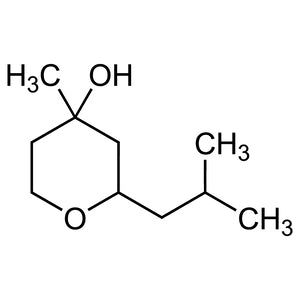
- TCI T4346 63500-71-0 2-Isobutyl-4-methyltetrahydro-2H-pyran-4-ol (mixture of isomers)
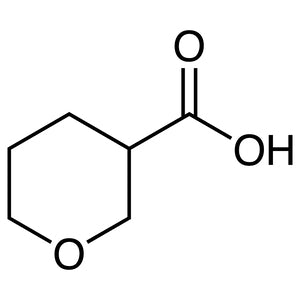
- TCI T4166 873397-34-3 Tetrahydro-2H-pyran-3-carboxylic Acid
- TCI T4112 51673-83-7 Tetrahydro-2H-pyran-2-carboxylic Acid
- Organic synthesis applications benefit from this compound's ability to act as a donor and participate in hydroxyl-based reactions.
- Heterocyclic compound development utilizes its structure for forming complex ring systems in pharmaceutical and material sciences.
- Research in medicinal chemistry often employs this compound as a building block for synthesizing bioactive molecules.
- Material science studies use it to create functional materials with specific chemical properties.
- Academic research in Indonesian universities relies on this compound for teaching and experimental purposes in chemical synthesis.
| Brand | TCI |
|---|---|
| CAS number | 3749-36-8 |
| Molecular formula | — |
| Purity | — |
| Category | Chemistry > Building Blocks > Heterocyclic Building Blocks |
| Pack sizes | Available in standard laboratory quantities |
| Physical form | Liquid |
| Storage | Store in a cool, dry place away from light |
This compound should be stored in a cool, dry place away from direct light to maintain its chemical stability. It is recommended to use airtight containers to prevent contamination and evaporation. As a liquid, it should be kept in sealed glass or polyethylene containers to ensure safe handling. General laboratory precautions include proper ventilation and the use of personal protective equipment when handling. It is important to avoid exposure to incompatible substances and to follow standard safety protocols for chemical storage. The compound's reactivity necessitates careful handling to ensure both safety and effectiveness in laboratory settings.
—
Produk Terkait
-
3,6-Dihydro-2H-pyran TCI D6554
Regular price From Rp 900.900,00Regular priceRp 645.750,00Sale price From Rp 900.900,00 -
3,4-Dihydro-2-methoxy-4-methyl-2H-pyran(cis-andtrans-mixture) TCI D2053
Regular price Rp 2.332.050,00Regular priceRp 1.646.400,00Sale price Rp 2.332.050,00 -
3,4-Dihydro-2-methoxy-2H-pyran TCI D1554
Regular price From Rp 848.400,00Regular priceRp 609.000,00Sale price From Rp 848.400,00 -
2-Isobutyl-4-methyltetrahydro-2H-pyran-4-ol(mixtureofisomers) TCI T4346
Regular price From Rp 1.431.150,00Regular priceRp 1.016.400,00Sale price From Rp 1.431.150,00 -
Tetrahydro-2H-pyran-3-carboxylicAcid TCI T4166
Regular price From Rp 1.458.450,00Regular priceRp 1.035.300,00Sale price From Rp 1.458.450,00 -
Tetrahydro-2H-pyran-2-carboxylicAcid TCI T4112
Regular price From Rp 1.618.050,00Regular priceRp 1.146.600,00Sale price From Rp 1.618.050,00 -
Tetrahydro-2H-pyran-4-carboxaldehyde TCI T4039
Regular price Rp 2.518.950,00Regular priceRp 1.776.600,00Sale price Rp 2.518.950,00 -
1-(Tetrahydro-2H-pyran-4-yl)-4-(4,4,5,5-tetramethyl-1,3,2-dioxaborolan-2-yl)-1H-pyrazole TCI T3668
Regular price From Rp 822.150,00Regular priceRp 590.100,00Sale price From Rp 822.150,00