3,3-Dimethyl-2-oxobutyric Acid, also known as trimethylpyruvic acid, is an α-keto acid in which a bulky tert-butyl group is attached directly to the carbonyl carbon. The compound belongs to the class of non-heterocyclic building blocks and delivers two neighbouring functional groups within a single small molecule: a carboxylic acid and a ketone. In the laboratory, this combination makes it a versatile starting material for constructing unnatural amino acids, heterocyclic compounds, and a wide range of derivatives that require a sterically hindered carbon centre.
The characteristics that lead researchers to select this material are the reactivity typical of an α-keto acid combined with the steric effect of the tert-butyl group. The carbonyl group adjacent to the carboxylic acid is strongly electrophilic, so it readily undergoes reductive amination, enzymatic transamination, condensation with hydrazines and hydroxylamines, and Schiff base formation. At the same time, the large tert-butyl group provides spatial hindrance that directs incoming reagents to approach from one face, which is useful when researchers are pursuing selectivity. The compound is also recognised as a common substrate in biocatalysis, particularly in enzymatic routes.
In Indonesian laboratories, this building block is typically used in synthetic organic chemistry groups, biocatalysis research, and pharmaceutical development work where an α-keto acid scaffold with a hindered carbon centre is required. It is handled as a bench-scale reagent in university research laboratories, government research institutes, and industrial R&D units, where its role is to serve as a compact and reliable starting point for multi-step syntheses rather than as a bulk process chemical.
Related TCI products
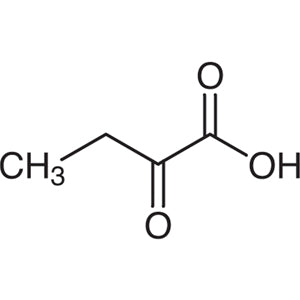
- TCI O0364 600-18-0 2-Oxobutyric Acid
- TCI M1377 4619-20-9 4-(4-Methylphenyl)-4-oxobutyric Acid
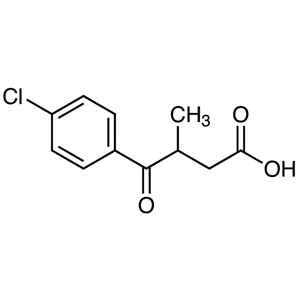
- TCI C3290 52240-25-2 4-(4-Chlorophenyl)-3-methyl-4-oxobutyric Acid
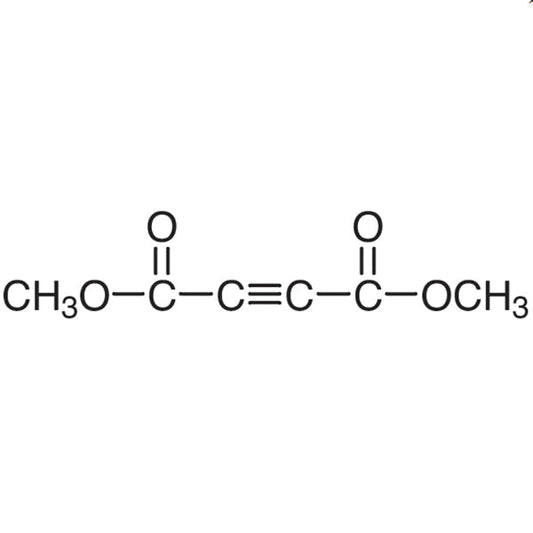
- TCI A0090 762-42-5 Dimethyl Acetylenedicarboxylate
- TCI A0056 1830-54-2 Dimethyl 1,3-Acetonedicarboxylate
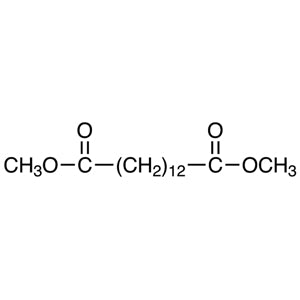
- TCI T1726 5024-21-5 Dimethyl Tetradecanedioate
- Unnatural amino acid synthesis — the electrophilic α-keto carbonyl converts efficiently through reductive amination or transamination into sterically hindered amino acid targets not available from natural sources.
- Enzymatic biocatalysis studies — the compound is a commonly used substrate in enzymatic routes, allowing researchers to profile transaminase and dehydrogenase activity against a bulky, well-defined α-keto acid.
- Heterocyclic compound construction — the neighbouring ketone and carboxylic acid functionalities condense readily with hydrazines and hydroxylamines, giving direct access to ring systems from a single small precursor.
- Schiff base and imine chemistry — the highly electrophilic carbonyl adjacent to the carboxylate forms imines cleanly, supporting ligand preparation and further condensation chemistry in coordination-oriented projects.
- Stereoselective derivative preparation — the bulky tert-butyl group imposes spatial hindrance that steers reagent attack to one face, helping research groups pursue selectivity in derivatisation steps.
| Brand | TCI |
|---|---|
| CAS number | 815-17-8 |
| Molecular formula | — |
| Purity | — |
| Category | Chemistry > Building Blocks > Non-Heterocyclic Building Blocks |
| Pack sizes | available in standard TCI research-scale packaging; please confirm the size required when ordering |
| Physical form | — |
| Storage | keep in the original tightly closed container under the conditions stated on the manufacturer's label |
- Product code: D3609
- Chemical name: 3,3-Dimethyl-2-oxobutyric Acid (trimethylpyruvic acid)
Store the container tightly closed in a cool, dry, and well-ventilated area, away from direct sunlight, heat sources, and incompatible materials such as strong bases and strong oxidising agents. Keep the material in its original manufacturer container or in a chemically compatible, clearly labelled vessel, and reseal it promptly after each use to limit exposure to moisture and air. Handle the compound in a fume hood using standard laboratory personal protective equipment, including safety goggles, gloves, and a laboratory coat. As an organic acid, it may cause irritation on contact with skin, eyes, or the respiratory tract, so avoid direct contact and inhalation of dust. Always consult the manufacturer's Safety Data Sheet before use, and dispose of residues and contaminated materials through the laboratory's chemical waste procedure.
—
Produk Terkait
-
2-OxobutyricAcid TCI O0364
Regular price Rp 8.692.950,00Regular price -
4-(4-Methylphenyl)-4-oxobutyricAcid TCI M1377
Regular price From Rp 980.700,00Regular price -
4-(4-Chlorophenyl)-3-methyl-4-oxobutyricAcid TCI C3290
Regular price Rp 4.823.700,00Regular price -
DimethylAcetylenedicarboxylate TCI A0090
Regular price From Rp 2.041.200,00Regular price -
Dimethyl1,3-Acetonedicarboxylate TCI A0056
Regular price From Rp 1.298.850,00Regular price -
DimethylTetradecanedioate TCI T1726
Regular price From Rp 2.411.850,00Regular price -
1-Bromo-3,3-dimethyl-2-butanone TCI B1490
Regular price From Rp 2.094.750,00Regular price -
Dimethyl4,4'-Biphenyldicarboxylate TCI B1309
Regular price From Rp 875.700,00Regular price