4-(4-Methylphenyl)-4-oxobutyric Acid is a chemical compound widely used as a building block in the synthesis of complex organic molecules. It plays a crucial role in laboratory settings by enabling the formation of carbon-carbon bonds and facilitating functional group transformations. This compound is essential for the development of new substances, including pharmaceuticals, industrial chemicals, and organic reaction intermediates. Its versatility makes it a valuable tool for chemists working in both academic and industrial environments.
The compound is known for its stable molecular structure and controlled reactivity, which can be manipulated through specific reaction conditions. Its ability to react with various reagents such as bases, acids, and catalysts allows it to be used in a wide range of chemical reactions. These properties make it a preferred choice for researchers aiming to explore new synthetic pathways and develop novel compounds. Its reactivity and stability ensure consistent results in experimental processes.
In Indonesian laboratories, this compound is extensively used in pure and applied chemical research. It is commonly found in studies related to pharmacology, chemical materials, and organic chemistry. Institutions of higher education and research organizations rely on it for advancing scientific knowledge and innovation. Its widespread use highlights its importance in the chemical research landscape of Indonesia.
Related TCI products
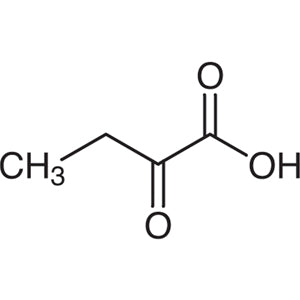
- TCI O0364 600-18-0 2-Oxobutyric Acid
- TCI D3609 815-17-8 3,3-Dimethyl-2-oxobutyric Acid
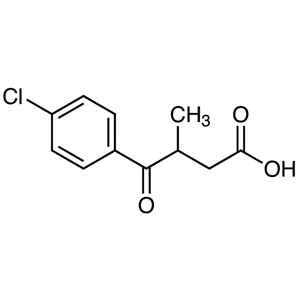
- TCI C3290 52240-25-2 4-(4-Chlorophenyl)-3-methyl-4-oxobutyric Acid
- TCI M3139 760-93-0 Methacrylic Anhydride [stabilized with 1,1,3-Tris(3-tert-butyl-4-hydroxy-6-methylphenyl)butane]
- TCI B1849 808-12-8 1,2-Bis(4-methylphenyl)-1,2-diphenyl-1,2-ethanediol
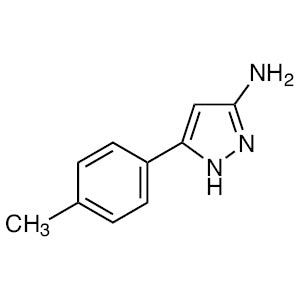
- TCI A2954 78597-54-3 5-Amino-3-(4-methylphenyl)pyrazole
- Organic synthesis applications benefit from this compound’s ability to participate in carbon-carbon bond formation and functional group modification, making it ideal for constructing complex molecular structures.
- Pharmaceutical research utilizes this compound as a key intermediate in the development of new drug molecules, supporting the synthesis of bioactive compounds with therapeutic potential.
- Industrial chemical production relies on its stability and reactivity to create a variety of chemical intermediates used in manufacturing processes.
- Material science studies incorporate this compound to develop new chemical materials with specific properties, such as enhanced thermal or mechanical characteristics.
- Academic research in chemistry employs this compound to explore synthetic methodologies and reaction mechanisms in both theoretical and experimental settings.
| Brand | TCI |
|---|---|
| CAS number | 4619-20-9 |
| Molecular formula | — |
| Purity | — |
| Category | Chemistry > Building Blocks > Non-Heterocyclic Building Blocks |
| Pack sizes | Available in standard laboratory quantities as per supplier specifications |
| Physical form | Solid, crystalline appearance |
| Storage | Store in a cool, dry place away from moisture and direct sunlight |
This compound should be stored in a cool, dry environment to maintain its stability and prevent degradation. It is recommended to use airtight containers to protect it from moisture and air exposure. Due to its reactivity, it should be handled with care, using appropriate personal protective equipment such as gloves and safety goggles. It is important to store it away from incompatible materials like strong acids or bases. Proper labeling of containers is essential for safe handling and to prevent accidental exposure. Regular monitoring of storage conditions ensures the compound remains in optimal condition for laboratory use.
—
Produk Terkait
-
2-OxobutyricAcid TCI O0364
Regular price Rp 8.692.950,00Regular price -
3,3-Dimethyl-2-oxobutyricAcid TCI D3609
Regular price From Rp 1.008.000,00Regular price -
4-(4-Chlorophenyl)-3-methyl-4-oxobutyricAcid TCI C3290
Regular price Rp 4.823.700,00Regular price -
MethacrylicAnhydride[stabilizedwith1,1,3-Tris(3-tert-butyl-4-hydroxy-6-methylphenyl)butane] TCI M3139
Regular price From Rp 1.193.850,00Regular price -
1,2-Bis(4-methylphenyl)-1,2-diphenyl-1,2-ethanediol TCI B1849
Regular price Rp 3.551.100,00Regular price -
5-Amino-3-(4-methylphenyl)pyrazole TCI A2954
Regular price From Rp 2.625.000,00Regular price -
N-[(4-Methylphenyl)sulfonyl]acetamide TCI M3123
Regular price Rp 2.386.650,00Regular price -
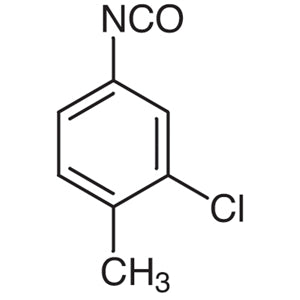
3-Chloro-4-methylphenylIsocyanate TCI I0563
Regular price From Rp 1.458.450,00Regular price

![760-93-0 Methacrylic Anhydride [stabilized with 1,1,3-Tris(3-tert-butyl-4-hydroxy-6-methylphenyl)butane] - AMI Scientific](http://amiscientific.com/cdn/shop/files/TCI2510M3139.jpg?v=1767127793&width=533)

![1888-33-1 N-[(4-Methylphenyl)sulfonyl]acetamide - AMI Scientific](http://amiscientific.com/cdn/shop/files/TCI2510M3123.jpg?v=1767127778&width=533)