
![1888-33-1 N-[(4-Methylphenyl)sulfonyl]acetamide - AMI Scientific](http://amiscientific.com/cdn/shop/files/TCI2510M3123.jpg?v=1767127778&width=1946)
![1888-33-1 N-[(4-Methylphenyl)sulfonyl]acetamide - AMI Scientific](http://amiscientific.com/cdn/shop/files/TCI2510M3123.jpg?v=1767127778&width=1445)
N-[(4-Methylphenyl)sulfonyl]acetamide is a chemical compound widely used in organic synthesis reactions within laboratory settings. It serves as a key building block in the development of complex organic molecules, particularly in substitution reactions and other synthetic processes. This compound plays a crucial role in enabling chemists to create a variety of functional groups and molecular structures. Its versatility makes it an essential reagent in both academic and industrial research environments.
The compound is valued for its stable molecular structure and its ability to participate in multiple types of chemical reactions, including nucleophilic, electrophilic, and substitution reactions. Its chemical properties allow it to be compatible with a wide range of solvents, both polar and non-polar, making it adaptable to various experimental conditions. The neutral nature of the compound also ensures it is safe to handle in laboratory environments that require precision and care.
In Indonesian laboratories, N-[(4-Methylphenyl)sulfonyl]acetamide is commonly used in organic chemistry research conducted at universities and research institutions. Its availability in international-standard quality and ease of procurement make it a preferred choice for researchers. The compound supports a broad spectrum of synthetic applications, contributing to the advancement of chemical studies in the region.
Related TCI products
- TCI T4360 1343646-76-3 1-[(Trifluoromethyl)sulfonyl]pyrrolidine
- TCI T4342 51029-15-3 1-[(Trifluoromethyl)sulfonyl]piperidine
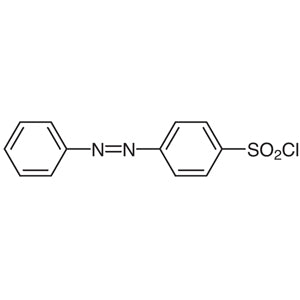
- TCI A1050 58359-53-8 Azobenzene-4-sulfonyl Chloride
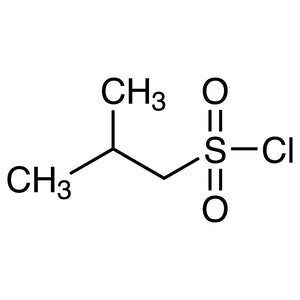
- TCI M3478 35432-36-1 2-Methylpropane-1-sulfonyl Chloride
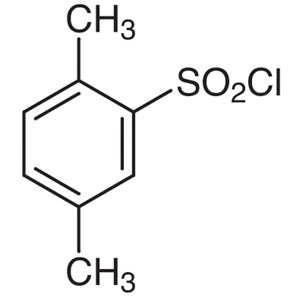
- TCI D0683 19040-62-1 p-Xylene-2-sulfonyl Chloride
- TCI B1849 808-12-8 1,2-Bis(4-methylphenyl)-1,2-diphenyl-1,2-ethanediol
- Organic synthesis reactions benefit from this compound's ability to participate in nucleophilic and electrophilic reactions, enabling the formation of complex molecular structures.
- Substitution reactions often utilize this reagent due to its stability and compatibility with various reaction conditions, allowing for controlled chemical transformations.
- Research in medicinal chemistry frequently incorporates this compound as a building block for the development of pharmaceutical compounds and drug derivatives.
- Analytical chemistry applications may use it as a standard for chromatographic and spectroscopic analysis, ensuring accurate identification of compounds.
- Industrial chemical production relies on this material for the synthesis of specialty chemicals and intermediates required in manufacturing processes.
| Brand | TCI |
|---|---|
| CAS number | 1888-33-1 |
| Molecular formula | — |
| Purity | — |
| Category | Chemistry > Building Blocks > Non-Heterocyclic Building Blocks |
| Pack sizes | Available in various quantities as per supplier specifications |
| Physical form | Solid or powder, depending on packaging |
| Storage | Store in a cool, dry place away from direct sunlight and moisture |
This compound should be stored in a cool, dry environment to maintain its chemical stability. It is recommended to keep it in a tightly sealed container to prevent exposure to moisture and air. Due to its neutral nature, it does not require special protective measures during storage, but it should be handled with standard laboratory precautions. Avoid contact with incompatible substances, and ensure proper ventilation when working with it. The compound is generally safe to handle, but standard laboratory safety practices should always be followed to ensure a secure working environment.
—
Produk Terkait
-
1-[(Trifluoromethyl)sulfonyl]pyrrolidine TCI T4360
Regular price From Rp 2.650.200,00Regular price -
1-[(Trifluoromethyl)sulfonyl]piperidine TCI T4342
Regular price From Rp 2.889.600,00Regular price -
Azobenzene-4-sulfonylChloride TCI A1050
Regular price Rp 3.472.350,00Regular price -
2-Methylpropane-1-sulfonylChloride TCI M3478
Regular price From Rp 1.749.300,00Regular price -
p-Xylene-2-sulfonylChloride TCI D0683
Regular price From Rp 1.590.750,00Regular price -
1,2-Bis(4-methylphenyl)-1,2-diphenyl-1,2-ethanediol TCI B1849
Regular price Rp 3.551.100,00Regular price -
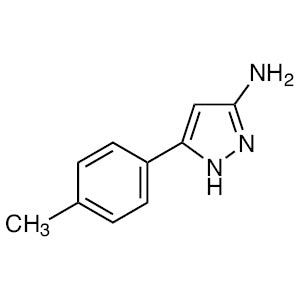
5-Amino-3-(4-methylphenyl)pyrazole TCI A2954
Regular price From Rp 2.625.000,00Regular price -
MethacrylicAnhydride[stabilizedwith1,1,3-Tris(3-tert-butyl-4-hydroxy-6-methylphenyl)butane] TCI M3139
Regular price From Rp 1.193.850,00Regular price
![1343646-76-3 1-[(Trifluoromethyl)sulfonyl]pyrrolidine - AMI Scientific](http://amiscientific.com/cdn/shop/files/TCI2510T4360.jpg?v=1767145128&width=533)
![51029-15-3 1-[(Trifluoromethyl)sulfonyl]piperidine - AMI Scientific](http://amiscientific.com/cdn/shop/files/TCI2510T4342.jpg?v=1767145099&width=533)

![760-93-0 Methacrylic Anhydride [stabilized with 1,1,3-Tris(3-tert-butyl-4-hydroxy-6-methylphenyl)butane] - AMI Scientific](http://amiscientific.com/cdn/shop/files/TCI2510M3139.jpg?v=1767127793&width=533)