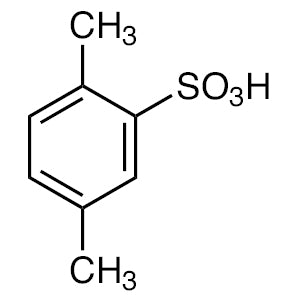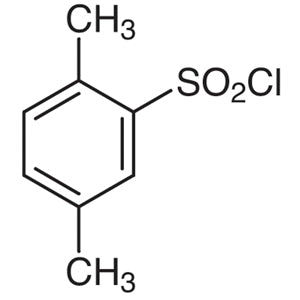
p-Xylene-2-sulfonyl Chloride is a chemical compound widely used as a building block in various chemical reactions, particularly in the synthesis of complex organic compounds. It plays a crucial role in laboratory settings by enabling the construction of intricate molecular structures. Its unique molecular structure features a reactive sulfonyl group, making it a versatile reagent for multiple chemical transformations. This compound is essential for researchers aiming to develop new pharmaceuticals, industrial chemicals, and other organic materials. Its ability to participate in substitution and nucleophilic reactions makes it a valuable tool in synthetic chemistry.
The compound's reactivity and stability under controlled conditions make it a preferred choice for laboratory applications. Its sulfonyl group is highly reactive towards nucleophiles, bases, and polar solvents, facilitating efficient chemical reactions. This reactivity allows it to be used in a wide range of synthetic pathways, including substitution reactions and Friedel-Crafts reactions. Additionally, its chemical stability under specific conditions ensures that it remains effective during prolonged storage and use, making it a reliable reagent for consistent results.
In Indonesian laboratories, p-Xylene-2-sulfonyl Chloride is commonly used in research and development activities focused on organic synthesis. Its availability in solid form and ease of processing make it a practical choice for both academic and industrial applications. Researchers in Indonesia rely on this compound to advance their work in drug discovery, material science, and chemical engineering. Its role in creating complex molecular structures is vital for the progress of chemical research in the region.
Related TCI products
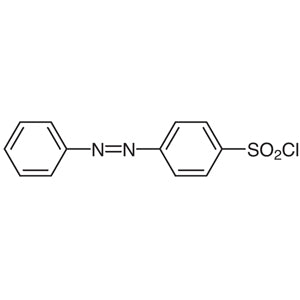
- TCI A1050 58359-53-8 Azobenzene-4-sulfonyl Chloride
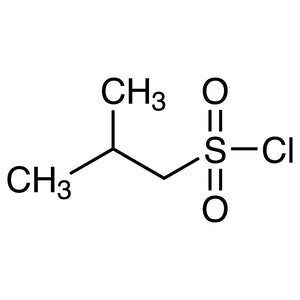
- TCI M3478 35432-36-1 2-Methylpropane-1-sulfonyl Chloride
- TCI T4360 1343646-76-3 1-[(Trifluoromethyl)sulfonyl]pyrrolidine
- TCI T4342 51029-15-3 1-[(Trifluoromethyl)sulfonyl]piperidine
- TCI M3123 1888-33-1 N-[(4-Methylphenyl)sulfonyl]acetamide
- TCI D0681 609-54-1 p-Xylene-2-sulfonic Acid
- Organic synthesis is a key application where p-Xylene-2-sulfonyl Chloride is used to build complex molecular structures due to its reactive sulfonyl group.
- Pharmaceutical research benefits from this compound as it is integral in the synthesis of various drug molecules and active pharmaceutical ingredients.
- Industrial chemical production utilizes this reagent for the creation of specialized compounds used in manufacturing and materials science.
- Heterocyclic compound synthesis relies on its ability to participate in nucleophilic and substitution reactions, making it suitable for ring formation.
- Analytical chemistry applications use it as a reagent in various chemical assays and reaction mechanisms for compound identification and modification.
| Brand | TCI |
|---|---|
| CAS number | 19040-62-1 |
| Molecular formula | — |
| Purity | — |
| Category | Chemistry > Building Blocks > Non-Heterocyclic Building Blocks |
| Pack sizes | Available in various quantities as per supplier specifications |
| Physical form | Solid |
| Storage | Store in a cool, dry place away from moisture and direct sunlight |
p-Xylene-2-sulfonyl Chloride should be stored in a cool, dry environment to maintain its chemical stability. It is recommended to keep the compound in a tightly sealed container to prevent exposure to moisture and air. Due to its reactivity, it should be handled in a well-ventilated laboratory area, preferably with appropriate personal protective equipment. Avoid contact with bases, nucleophiles, and polar solvents to prevent unwanted reactions. The compound should be stored away from incompatible materials to ensure safety and maintain its effectiveness for laboratory use. Proper storage conditions help preserve its reactivity and ensure consistent performance in chemical reactions.
—
Produk Terkait
-
Azobenzene-4-sulfonylChloride TCI A1050
Regular price Rp 3.472.350,00Regular price -
2-Methylpropane-1-sulfonylChloride TCI M3478
Regular price From Rp 1.749.300,00Regular price -
1-[(Trifluoromethyl)sulfonyl]pyrrolidine TCI T4360
Regular price From Rp 2.650.200,00Regular price -
1-[(Trifluoromethyl)sulfonyl]piperidine TCI T4342
Regular price From Rp 2.889.600,00Regular price -
N-[(4-Methylphenyl)sulfonyl]acetamide TCI M3123
Regular price Rp 2.386.650,00Regular price -
p-Xylene-2-sulfonicAcid TCI D0681
Regular price From Rp 1.936.200,00Regular price -
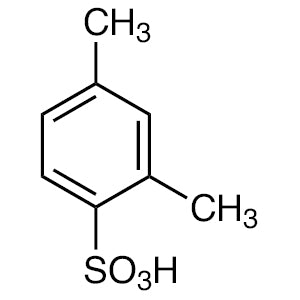
m-Xylene-4-sulfonicAcid TCI D0680
Regular price From Rp 743.400,00Regular price -
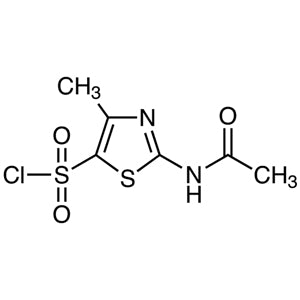
2-Acetamido-4-methylthiazole-5-sulfonylChloride TCI A3288
Regular price From Rp 2.094.750,00Regular price
![1343646-76-3 1-[(Trifluoromethyl)sulfonyl]pyrrolidine - AMI Scientific](http://amiscientific.com/cdn/shop/files/TCI2510T4360.jpg?v=1767145128&width=533)
![51029-15-3 1-[(Trifluoromethyl)sulfonyl]piperidine - AMI Scientific](http://amiscientific.com/cdn/shop/files/TCI2510T4342.jpg?v=1767145099&width=533)
![1888-33-1 N-[(4-Methylphenyl)sulfonyl]acetamide - AMI Scientific](http://amiscientific.com/cdn/shop/files/TCI2510M3123.jpg?v=1767127778&width=533)