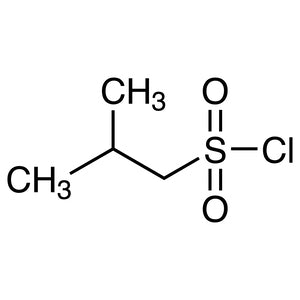
2-Methylpropane-1-sulfonyl chloride (TCI M3478) is a chemical compound widely used as a building block in organic synthesis. This reagent plays a crucial role in laboratory settings by enabling the formation of new chemical bonds and facilitating substitution reactions. Its versatility makes it an essential component in the development of compounds with specific functional properties. As part of the Non-Heterocyclic Building Blocks category, it supports a wide range of synthetic strategies in both academic and industrial research environments.
The compound is known for its high reactivity, particularly towards nucleophilic species, which makes it ideal for nucleophilic substitution reactions and sulfonamide bond formation. Its chemical structure and reactivity profile allow it to participate in various synthetic pathways, offering researchers flexibility in designing complex molecules. This reactivity, combined with its stability under controlled conditions, ensures consistent performance in laboratory applications.
In Indonesian laboratories, 2-Methylpropane-1-sulfonyl chloride is commonly used by chemists and scientists in fields such as pharmaceuticals, materials science, and chemical technology. Its availability and reliable quality make it a preferred choice for those requiring high reactivity and precision in their experiments. Its role in advancing research and development is significant, supporting innovation across multiple scientific disciplines.
Related TCI products
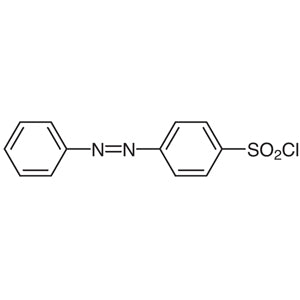
- TCI A1050 58359-53-8 Azobenzene-4-sulfonyl Chloride
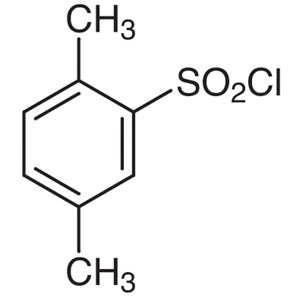
- TCI D0683 19040-62-1 p-Xylene-2-sulfonyl Chloride
- TCI T4360 1343646-76-3 1-[(Trifluoromethyl)sulfonyl]pyrrolidine
- TCI T4342 51029-15-3 1-[(Trifluoromethyl)sulfonyl]piperidine
- TCI M3123 1888-33-1 N-[(4-Methylphenyl)sulfonyl]acetamide
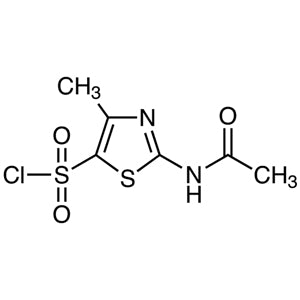
- TCI A3288 69812-29-9 2-Acetamido-4-methylthiazole-5-sulfonyl Chloride
- Organic synthesis applications benefit from this compound's ability to form new chemical bonds through nucleophilic substitution reactions.
- Pharmaceutical research utilizes it in the development of novel drug molecules due to its reactivity and compatibility with various synthetic pathways.
- Materials science experiments leverage its properties for creating functional compounds with specific chemical functionalities.
- Chemical technology projects rely on its stability and reactivity to design and synthesize advanced materials.
- Research in analytical chemistry uses it as a reagent for testing and characterizing complex molecular structures.
| Brand | TCI |
|---|---|
| CAS number | 35432-36-1 |
| Molecular formula | — |
| Purity | — |
| Category | Chemistry > Building Blocks > Non-Heterocyclic Building Blocks |
| Pack sizes | 50g, 250g |
| Physical form | Liquid |
| Storage | Store in a cool, dry place away from moisture and direct sunlight |
This compound should be stored in a cool, dry environment, away from moisture and direct sunlight to maintain its chemical integrity. It is recommended to use airtight containers made of glass or polyethylene to prevent contamination and degradation. Due to its reactivity, it should be handled with care, using appropriate personal protective equipment such as gloves and goggles. It is important to ensure proper ventilation in the laboratory when working with this material. Avoid exposure to incompatible substances, such as strong bases or nucleophiles, to prevent unwanted reactions. Regular monitoring of storage conditions is advised to ensure the compound remains stable and effective for use in laboratory applications.
—
Produk Terkait
-
Azobenzene-4-sulfonylChloride TCI A1050
Regular price Rp 3.472.350,00Regular price -
p-Xylene-2-sulfonylChloride TCI D0683
Regular price From Rp 1.590.750,00Regular price -
1-[(Trifluoromethyl)sulfonyl]pyrrolidine TCI T4360
Regular price From Rp 2.650.200,00Regular price -
1-[(Trifluoromethyl)sulfonyl]piperidine TCI T4342
Regular price From Rp 2.889.600,00Regular price -
N-[(4-Methylphenyl)sulfonyl]acetamide TCI M3123
Regular price Rp 2.386.650,00Regular price -
2-Acetamido-4-methylthiazole-5-sulfonylChloride TCI A3288
Regular price From Rp 2.094.750,00Regular price -
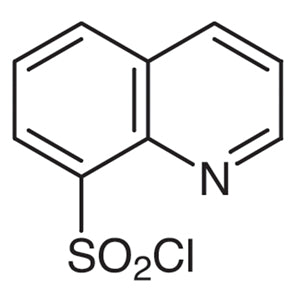
Quinoline-8-sulfonylChloride TCI Q0016
Regular price From Rp 1.644.300,00Regular price -
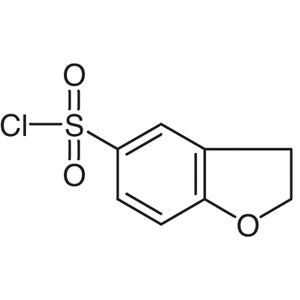
2,3-Dihydrobenzofuran-5-sulfonylChloride TCI D3553
Regular price From Rp 2.094.750,00Regular price
![1343646-76-3 1-[(Trifluoromethyl)sulfonyl]pyrrolidine - AMI Scientific](http://amiscientific.com/cdn/shop/files/TCI2510T4360.jpg?v=1767145128&width=533)
![51029-15-3 1-[(Trifluoromethyl)sulfonyl]piperidine - AMI Scientific](http://amiscientific.com/cdn/shop/files/TCI2510T4342.jpg?v=1767145099&width=533)
![1888-33-1 N-[(4-Methylphenyl)sulfonyl]acetamide - AMI Scientific](http://amiscientific.com/cdn/shop/files/TCI2510M3123.jpg?v=1767127778&width=533)