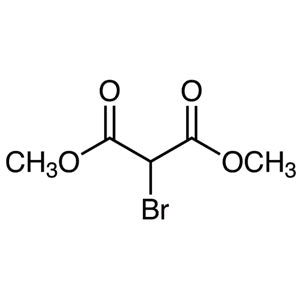
TCI D3887 Dimethyl Bromomalonate is a malonate ester derivative carrying a bromine atom on the active carbon positioned between two methyl ester groups. The compound occupies an important place in synthetic organic chemistry as both an alkylating reagent and a radical precursor. The carbon situated between the two electron-withdrawing groups is strongly acidic and readily forms a stabilised carbanion, while the carbon–bromine bond provides a good leaving group. In the laboratory, this material is routinely used to introduce malonate units into molecular frameworks, to construct cyclopropane rings, and to initiate atom transfer radical reactions that are now widely applied in photocatalysis.
The property that makes this compound a preferred choice is a dual functionality rarely found in other reagents. It can act as an electrophile when reacted with carbon, nitrogen, or sulfur nucleophiles, and it can equally serve as a source of malonyl radicals when the C–Br bond is cleaved homolytically by a transition metal catalyst or a photocatalyst under visible light irradiation. Its two methyl ester groups are readily hydrolysed and decarboxylated, so the malonate unit can be trimmed down to a simple carboxylic acid chain once the carbon skeleton has been assembled. This combination of electrophilic reactivity, radical accessibility, and downstream convertibility gives synthetic chemists an unusual degree of flexibility from a single reagent.
In Indonesian laboratories, TCI D3887 is typically encountered in university and institutional research groups working on organic synthesis, medicinal chemistry, and methodology development, as well as in industrial research units that prepare intermediates and building block libraries. It is handled as a small-scale synthetic reagent on the bench and in fume hoods, most often within multi-step routes where a malonate fragment must be installed early and modified later. Because it belongs to the non-heterocyclic building blocks category, it is commonly stocked alongside other scaffold-forming reagents used for exploratory route development.
- Malonate alkylation of nucleophiles — the acidic central carbon and the good bromide leaving group let carbon, nitrogen, and sulfur nucleophiles displace bromine cleanly, installing a malonate unit onto an existing molecular framework.
- Cyclopropane ring construction — reaction with suitable partners allows the bromomalonate carbon to close a three-membered ring, giving access to strained cyclopropane motifs that are valuable in building block and medicinal chemistry work.
- Atom transfer radical reactions — homolytic cleavage of the carbon–bromine bond generates a malonyl radical that adds to unsaturated partners, supporting atom transfer radical chemistry in modern synthetic methodology studies.
- Visible-light photocatalytic transformations — under photocatalyst activation with visible light irradiation, the C–Br bond is broken homolytically, making this reagent a convenient malonyl radical source for photoredox methodology development.
- Carboxylic acid chain synthesis — after the carbon skeleton is assembled, the two methyl esters can be hydrolysed and decarboxylated, converting the installed malonate unit into a simple carboxylic acid side chain.
| Brand | TCI (Tokyo Chemical Industry) |
|---|---|
| CAS number | 868-26-8 |
| Molecular formula | — |
| Purity | — |
| Category | Chemistry > Building Blocks > Non-Heterocyclic Building Blocks |
| Pack sizes | available in standard laboratory research pack sizes; please confirm the packaging options currently offered for this catalogue number |
| Physical form | — |
| Storage | keep in a cool, dry place in a tightly closed original container, away from light and moisture |
- Catalogue Number: D3887
- Chemical Name: Dimethyl Bromomalonate
Store TCI D3887 Dimethyl Bromomalonate in its original tightly closed container in a cool, dry, well-ventilated area, protected from light, moisture, heat, and direct sunlight. Keep the reagent away from strong bases and strong nucleophiles, since the reactive carbon–bromine bond and the acidic central carbon make the material sensitive to such conditions. Handle only inside a working fume hood, using nitrile gloves, safety goggles, and a laboratory coat, because alkylating reagents of this type should not contact skin, eyes, or mucous membranes. Use clean, dry glassware or compatible chemically resistant containers when transferring the material, and close the container immediately after use to limit moisture uptake and vapour release. Label all secondary containers clearly, avoid generating dust or aerosols, and wash hands thoroughly after handling. Collect residues and contaminated consumables as halogenated organic chemical waste and dispose of them according to the applicable institutional and local regulations. Always consult the manufacturer's Safety Data Sheet before first use.
—
Produk Terkait
-
DiethylBromomalonate TCI B1205
Regular price From Rp 1.008.000,00Regular price -
Bromomalonaldehyde TCI B3699
Regular price Rp 1.670.550,00Regular price -
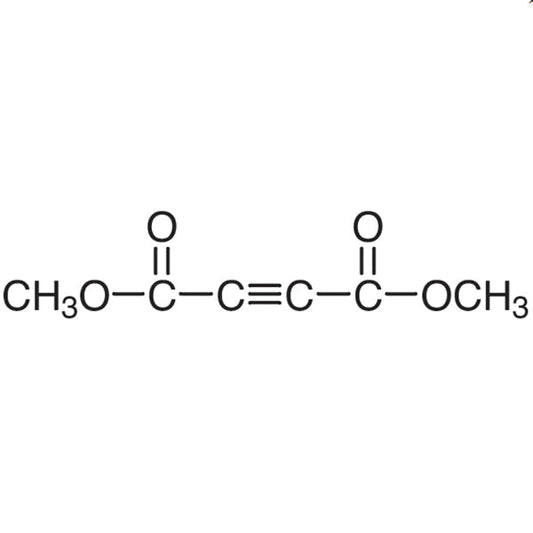
DimethylAcetylenedicarboxylate TCI A0090
Regular price From Rp 2.041.200,00Regular price -
Dimethyl1,3-Acetonedicarboxylate TCI A0056
Regular price From Rp 1.298.850,00Regular price -
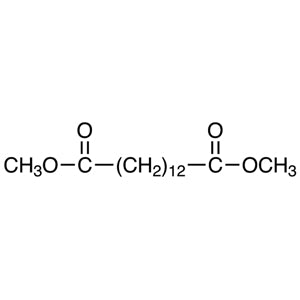
DimethylTetradecanedioate TCI T1726
Regular price From Rp 2.411.850,00Regular price -
1-Bromo-3,3-dimethyl-2-butanone TCI B1490
Regular price From Rp 2.094.750,00Regular price -
Dimethyl4,4'-Biphenyldicarboxylate TCI B1309
Regular price From Rp 875.700,00Regular price -
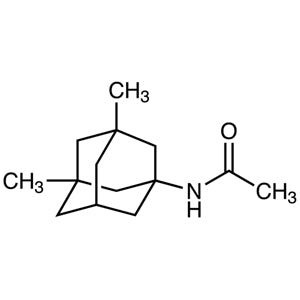
N-Acetyl-3,5-dimethyl-1-adamantanamine TCI A2653
Regular price Rp 3.949.050,00Regular price