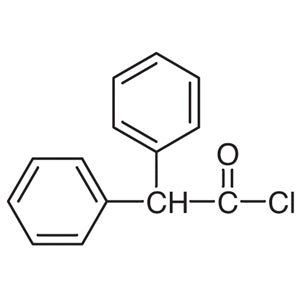
TCI D4075 Diphenylacetic Anhydride is an acid anhydride formed from two molecules of diphenylacetic acid. Its anhydride structure makes it an active acylating reagent, while the diphenylacetyl group it carries is a large aromatic unit with considerable steric bulk. In organic synthesis laboratories, this compound is used to install the diphenylacetyl group onto alcohols, amines, and phenols, producing the corresponding esters and amides without requiring a separate carboxylic acid activation step using additional coupling reagents. It belongs to the non-heterocyclic building blocks group within the chemistry portfolio and serves as a ready-to-use acyl donor in bench-scale preparative work.
The characteristic that makes it a preferred choice is its ease of use compared with the acid chloride route. Anhydrides are generally easier to handle, do not release hydrogen chloride gas, and give diphenylacetic acid as a by-product that can be removed by a mild base wash. The steric hindrance from the two phenyl rings on the alpha carbon provides useful selectivity: less hindered primary hydroxyl groups tend to react before secondary or tertiary ones. In addition, the diphenylacetyl group adds weight and crystalline character to the product, which often makes purification easier.
In Indonesian laboratories, this reagent is typically found in university and institutional organic synthesis groups, in research and development units that prepare intermediates and derivatives, and in analytical laboratories that need a defined acylating agent for derivatisation work. Because it avoids the handling burden associated with acid chlorides and the extra step of coupling-reagent activation, it fits well into routine bench work where a straightforward and reproducible acylation procedure is required.
- Esterification of alcohols — the anhydride acylates hydroxyl groups directly to the corresponding diphenylacetate esters without a separate carboxylic acid activation step or added coupling reagent.
- Amide formation from amines — reaction with primary and secondary amines installs the diphenylacetyl group cleanly, giving the corresponding amides while releasing only diphenylacetic acid as the by-product.
- Acylation of phenols — phenolic hydroxyl groups are converted to aryl diphenylacetate esters, useful when a bulky aromatic acyl unit is required on a phenolic scaffold.
- Selective protection of primary hydroxyl groups — steric hindrance from the two phenyl rings on the alpha carbon lets less hindered primary alcohols react ahead of secondary or tertiary positions.
- Preparation of crystalline derivatives for purification — the diphenylacetyl group adds molecular weight and crystalline character, which frequently simplifies isolation and purification of the resulting product.
| Brand | TCI |
|---|---|
| CAS number | 1760-46-9 |
| Molecular formula | — |
| Purity | — |
| Category | Chemistry > Building Blocks > Non-Heterocyclic Building Blocks |
| Pack sizes | available in standard TCI research-scale packaging; please confirm the size required when ordering |
| Physical form | — |
| Storage | keep in a tightly closed original container, protected from moisture |
- Chemical class: acid anhydride derived from two molecules of diphenylacetic acid
Store the material in its tightly closed original container in a cool, dry, well-ventilated area away from moisture, since anhydrides are susceptible to hydrolysis that converts them back to the parent carboxylic acid. Keep containers clearly labelled and separated from bases, amines, alcohols, and other nucleophilic or reactive materials. Handle in a fume hood using safety glasses, chemical-resistant gloves, and a laboratory coat, and avoid inhalation of dust and contact with skin and eyes. Use dry glassware and dry spatulas when weighing, and reseal the container promptly after each use to limit exposure to atmospheric humidity. Follow the manufacturer's safety data sheet and your institution's chemical waste procedures for disposal of residues and contaminated materials.
—
Produk Terkait
-
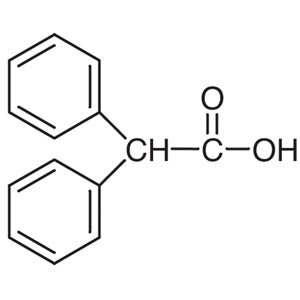
DiphenylaceticAcid TCI D0869
Regular price From Rp 717.150,00Regular price -
TriphenylaceticAcid TCI T1585
Regular price From Rp 3.630.900,00Regular price -
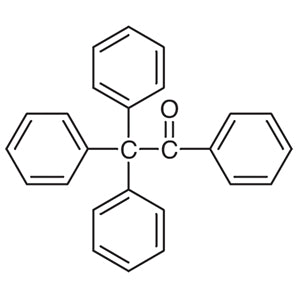
2,2,2-Triphenylacetophenone TCI T1207
Regular price From Rp 1.008.000,00Regular price -
4-BiphenylaceticAcid TCI B1278
Regular price From Rp 1.644.300,00Regular price -
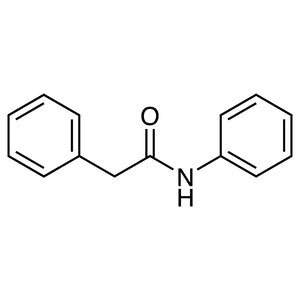
N,2-Diphenylacetamide TCI P3074
Regular price From Rp 2.386.650,00Regular price -
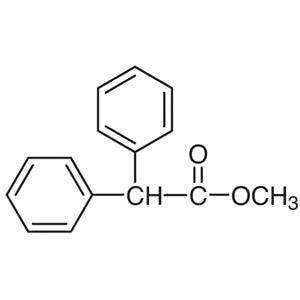
MethylDiphenylacetate TCI D2888
Regular price Rp 3.446.100,00Regular price -
DiphenylacetylChloride TCI D2763
Regular price From Rp 1.140.300,00Regular price -
Diphenylacetaldehyde TCI D2492
Regular price From Rp 3.817.800,00Regular price