4-Biphenylacetic Acid is a chemical compound widely used in laboratory settings for various chemical reactions and organic synthesis. As a building block in organic chemistry, it serves as a versatile starting material for the creation of more complex molecules. Its structural characteristics allow it to undergo chemical modifications, making it an essential component in the development of compounds with specific functional properties. This compound is commonly found in research laboratories, where it plays a crucial role in the synthesis of pharmaceuticals, polymers, and other advanced chemical products.
The chemical properties of 4-Biphenylacetic Acid make it a preferred choice for laboratory use. It exhibits stability in various chemical environments and can participate in reactions such as esterification, hydrolysis, and substitution. The presence of two benzene rings in its molecular structure provides both stability and a wide range of reactivity. This structural feature allows it to be used in the synthesis of bioactive compounds, contributing to its importance in pharmaceutical and medicinal chemistry research. Its solubility in organic solvents further enhances its utility in purification and separation processes.
In Indonesian laboratories, 4-Biphenylacetic Acid is frequently used in research and development activities. It is a key reagent in the synthesis of organic compounds, particularly in the fields of pharmacology and chemical engineering. Its availability and chemical versatility make it a valuable resource for scientists and researchers working on drug development and material synthesis. Its application is widespread across various scientific disciplines, supporting both academic and industrial research efforts.
TCI brochures (PDF)
- Anti-Rheumatoid Arthritis Ingredients 2025-01-29 · p. 1
- Lipid Mediator Research Reagents 2026-04-10 · p. 1
- Immune System, Inflammation, Allergy Research Reagents 2025-05-26 · p. 3
- Immunology Research Reagents 2026-06-03 · p. 6
- Pharmaceutical Ingredients for Research and Experimental Use 2026-03-09 · p. 32
- Organic synthesis is a primary application where 4-Biphenylacetic Acid is used to build complex molecular structures through chemical modifications.
- Pharmaceutical research benefits from this compound as it is used in the development of drugs with specific biological activities.
- Polymer science utilizes this acid for the creation of functional polymers with tailored properties.
- Analytical chemistry employs it as a reference standard for qualitative and quantitative analysis.
- Material synthesis leverages its chemical reactivity to produce advanced materials with unique properties.
| Brand | TCI |
|---|---|
| CAS number | 5728-52-9 |
| Molecular formula | — |
| Purity | — |
| Category | Chemistry > Building Blocks > Non-Heterocyclic Building Blocks |
| Pack sizes | Available in various quantities as per supplier specifications |
| Physical form | Solid |
| Storage | Store in a cool, dry place away from moisture and direct sunlight |
4-Biphenylacetic Acid should be stored in a cool, dry environment to maintain its chemical stability. It is recommended to keep it in airtight containers to prevent exposure to moisture and air. Due to its potential reactivity, it should be handled with appropriate personal protective equipment, including gloves and safety goggles. Storage conditions should avoid direct sunlight and high humidity to prevent degradation. In laboratory settings, it is important to ensure proper ventilation when handling this compound to minimize inhalation risks. Regular monitoring of storage conditions is advised to maintain the integrity of the material.
—
Product Categories
- Biochemicals and ReagentsEnzymes, Enzyme Inhibitors, Enzyme SubstratesEnzymes [by Application]
- Biochemicals and ReagentsEnzymes, Enzyme Inhibitors, Enzyme SubstratesEnzyme Inhibitors [Biochemicals and Reagents]
- Biochemicals and ReagentsPharmaceutical Research Reagents (for Experimental Use)Anti-inflammatory Ingredients (for Research and Experimental Use)
- Biochemicals and ReagentsPharmaceutical Research Reagents (for Experimental Use)Anti-rheumatoid Arthritis Ingredients (for Research and Experimental Use)
- Cell BiologyImmune System, Inflammation, Allergy ResearchCyclooxygenase (COX) Inhibitors
- Pharmaceutical Development and Drug Discovery ResearchPharmaceutical Research Reagents (for Experimental Use)Anti-inflammatory Ingredients (for Research and Experimental Use)
- Pharmaceutical Development and Drug Discovery ResearchPharmaceutical Research Reagents (for Experimental Use)Anti-rheumatoid Arthritis Ingredients (for Research and Experimental Use)
Produk Terkait
-
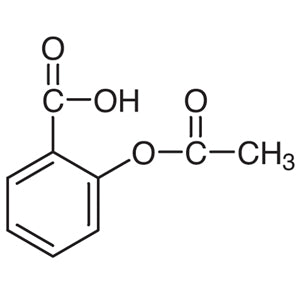
AcetylsalicylicAcid TCI A2262
Regular price From Rp 530.250,00Regular priceRp 386.400,00Sale price From Rp 530.250,00 -
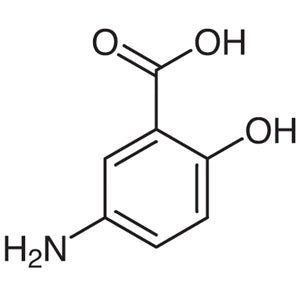
5-AminosalicylicAcid TCI A0317
Regular price From Rp 1.008.000,00Regular priceRp 720.300,00Sale price From Rp 1.008.000,00 -
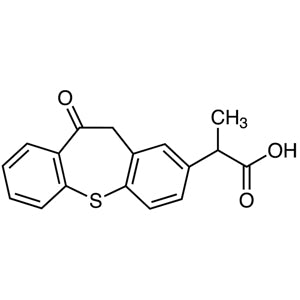
Zaltoprofen TCI Z0021
Regular price From Rp 1.378.650,00Regular priceRp 979.650,00Sale price From Rp 1.378.650,00 -
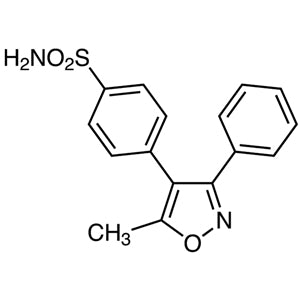
Valdecoxib TCI V0133
Regular price From Rp 2.914.800,00Regular priceRp 2.053.800,00Sale price From Rp 2.914.800,00 -
TiaprofenicAcid TCI T3175
Regular price From Rp 3.922.800,00Regular priceRp 2.758.350,00Sale price From Rp 3.922.800,00 -
BetamethasoneValerate TCI B4157
Regular price From Rp 1.405.950,00Regular priceRp 998.550,00Sale price From Rp 1.405.950,00 -
Acemetacin TCI A2452
Regular price From Rp 900.900,00Regular priceRp 645.750,00Sale price From Rp 900.900,00 -
Piroxicam TCI P1905
Regular price Rp 5.935.650,00Regular priceRp 4.166.400,00Sale price Rp 5.935.650,00