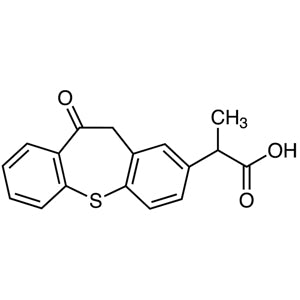
Acetylsalicylic acid, commonly known as aspirin, is a widely used chemical compound in both chemical and pharmacological experiments. As a fundamental building block in organic chemistry, it plays a crucial role in the synthesis of various compounds, particularly in esterification and hydrolysis reactions. Its versatility makes it an essential material for researchers and educators alike, supporting a range of experimental applications. The compound is valued for its stability and availability, making it a reliable choice for laboratory work.
Acetylsalicylic acid is a solid, white compound that dissolves easily in organic solvents such as ethyl acetate. Its simple physical and chemical properties make it straightforward to handle and process under various laboratory conditions. The compound is non-toxic and does not require special handling precautions, which enhances its safety profile. These characteristics ensure that it remains a popular choice for both educational and industrial applications in chemical research.
In Indonesian laboratories, acetylsalicylic acid is frequently used in chemical research, academic institutions, and the pharmaceutical industry. It serves as a key component in teaching organic chemistry fundamentals and in the development of new drug formulations. Its widespread use reflects its importance in both theoretical and practical laboratory settings, supporting both research and educational goals.
TCI brochures (PDF)
- Anti-Rheumatoid Arthritis Ingredients 2025-01-29 · p. 1
- Lipid Mediator Research Reagents 2026-04-10 · p. 1
- Reagents for Preparing Animal Disease Models 2024-09-13 · p. 2
- Immune System, Inflammation, Allergy Research Reagents 2025-05-26 · p. 1
- Immunology Research Reagents 2026-06-03 · p. 6
- Pharmaceutical Ingredients for Research and Experimental Use 2026-03-09 · p. 22
- Organic synthesis experiments benefit from aspirin's role in esterification and hydrolysis reactions, aiding in the creation of complex molecules.
- Educational institutions use aspirin to teach basic organic chemistry concepts, providing students with hands-on experience in chemical reactions.
- Pharmaceutical research incorporates aspirin as a model compound for drug development and formulation studies due to its well-known properties.
- Analytical chemistry labs utilize aspirin for calibration and testing of analytical instruments, ensuring accurate results in chemical analysis.
- Industrial laboratories apply aspirin in the production of over-the-counter medications, leveraging its established therapeutic properties.
| Brand | TCI |
|---|---|
| CAS number | 50-78-2 |
| Molecular formula | — |
| Purity | — |
| Category | Chemistry > Building Blocks > Non-Heterocyclic Building Blocks |
| Pack sizes | As specified by supplier |
| Physical form | Solid, white |
| Storage | Store in a cool, dry place away from direct sunlight |
Acetylsalicylic acid should be stored in a cool, dry environment to maintain its chemical integrity and prevent degradation. It is recommended to keep the compound in a sealed container to avoid moisture absorption, which could affect its purity. Since it is non-toxic and does not emit harmful vapors, standard laboratory storage conditions are generally sufficient. However, it is advisable to handle it with care to prevent contamination. The compound does not require special protective equipment, making it safe for routine laboratory use. Its stable nature and simple handling requirements make it an ideal choice for both educational and research settings.
—
Product Categories
- Biochemicals and ReagentsAnimal Disease Models PreparationReagents for Inflammation and Immunity Disorder Models
- Biochemicals and ReagentsEnzymes, Enzyme Inhibitors, Enzyme SubstratesEnzymes [by Application]
- Biochemicals and ReagentsEnzymes, Enzyme Inhibitors, Enzyme SubstratesEnzyme Inhibitors [Biochemicals and Reagents]
- Biochemicals and ReagentsPharmaceutical Research Reagents (for Experimental Use)Antithrombotic Ingredients (for Research and Experimental Use)
- Biochemicals and ReagentsPharmaceutical Research Reagents (for Experimental Use)Anti-inflammatory Ingredients (for Research and Experimental Use)
- Biochemicals and ReagentsPharmaceutical Research Reagents (for Experimental Use)Anti-rheumatoid Arthritis Ingredients (for Research and Experimental Use)
- Cell BiologyCancer ResearchChemopreventive Agents [Cancer Research]
- Cell BiologyImmune System, Inflammation, Allergy ResearchCyclooxygenase (COX) Inhibitors
- Cell BiologyImmune System, Inflammation, Allergy ResearchNF-κB Activation Inhibitors
- Pharmaceutical Development and Drug Discovery ResearchPharmaceutical Research Reagents (for Experimental Use)Antithrombotic Ingredients (for Research and Experimental Use)
- Pharmaceutical Development and Drug Discovery ResearchPharmaceutical Research Reagents (for Experimental Use)Anti-inflammatory Ingredients (for Research and Experimental Use)
- Pharmaceutical Development and Drug Discovery ResearchPharmaceutical Research Reagents (for Experimental Use)Anti-rheumatoid Arthritis Ingredients (for Research and Experimental Use)
Produk Terkait
-
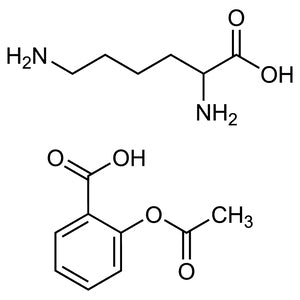
DL-LysineAcetylsalicylate TCI A3744
Regular price From Rp 2.439.150,00Regular priceRp 1.720.950,00Sale price From Rp 2.439.150,00 -
Indomethacin TCI I0655
Regular price From Rp 1.590.750,00Regular priceRp 1.127.700,00Sale price From Rp 1.590.750,00 -
4-BiphenylaceticAcid TCI B1278
Regular price From Rp 1.696.800,00Regular priceRp 1.202.250,00Sale price From Rp 1.696.800,00 -
Etodolac TCI E0858
Regular price From Rp 1.618.050,00Regular priceRp 1.146.600,00Sale price From Rp 1.618.050,00 -
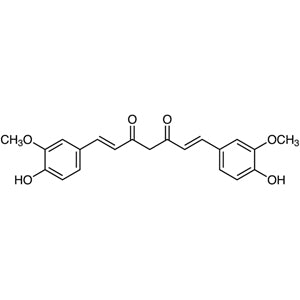
Curcumin(Synthetic) TCI C2302
Regular price From Rp 1.246.350,00Regular priceRp 887.250,00Sale price From Rp 1.246.350,00 -
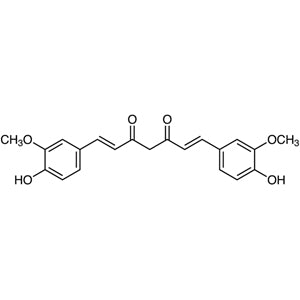
Curcumin(Natural) TCI C0434
Regular price From Rp 637.350,00Regular priceRp 445.200,00Sale price From Rp 637.350,00 -
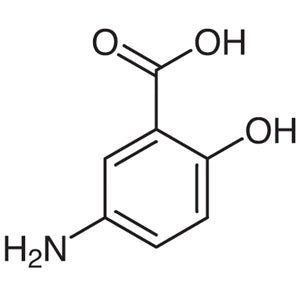
5-AminosalicylicAcid TCI A0317
Regular price From Rp 1.008.000,00Regular priceRp 720.300,00Sale price From Rp 1.008.000,00 -
Zaltoprofen TCI Z0021
Regular price From Rp 1.378.650,00Regular priceRp 979.650,00Sale price From Rp 1.378.650,00