TCI D4196, 1,4-Dibenzoylbenzene with CAS number 3016-97-5, is an aromatic diketone classified as a non-heterocyclic building block. Its molecule consists of a central benzene ring bearing two benzoyl groups at the para positions, producing a linear and symmetrical structure with an extended conjugated system. In organic synthesis and materials chemistry laboratories, this compound serves as a base scaffold for constructing larger molecules, ranging from ligands and polymer monomers to functional materials based on aromatic carbonyls. Its symmetry simplifies spectroscopic analysis while also making stepwise reaction design more straightforward.
The properties that make this compound an attractive choice are its two aromatic carbonyl groups, which are reactive and chemically equivalent, allowing them to be functionalized simultaneously or in a stepwise manner according to the chosen synthetic strategy. The benzophenone-type benzoyl groups are known for their distinctive photochemical character and are frequently employed in triplet excitation studies as well as light-induced reactions. The rigid para-substituted framework provides a linear geometry that is useful in the design of high-performance polymers and supramolecular frameworks. It is supplied as a relatively stable solid.
In Indonesian laboratories, this building block fits naturally into the daily routine of university research groups, materials chemistry laboratories, and industrial R&D units working on organic synthesis. It is typically handled as a starting material weighed out for small- to medium-scale reactions, where its symmetrical structure and predictable reactivity help researchers plan multi-step routes with confidence. Because it is a relatively stable solid, it is convenient to store and dispense in shared laboratory settings that support teaching, method development, and exploratory synthesis work.
TCI brochures (PDF)
- Biomaterials Research Reagents 2025-02-19 · p. 25
- Organic synthesis scaffolding: the para-substituted aromatic diketone core acts as a base framework for building larger, more complex target molecules in multi-step routes.
- Ligand preparation: the two chemically equivalent aromatic carbonyl groups can be converted into coordinating functionalities, making the linear molecule a convenient precursor for symmetrical ligand designs.
- Polymer monomer chemistry: the rigid linear geometry of the para-substituted framework suits the design of high-performance polymers where structural stiffness and extended conjugation are desired properties.
- Photochemical studies: the benzophenone-type benzoyl groups display a distinctive photochemical character and are frequently used in triplet excitation research and light-induced reaction investigations.
- Supramolecular framework construction: the symmetrical, rigid linear structure provides predictable directional geometry that assists researchers in assembling ordered supramolecular architectures and carbonyl-based functional materials.
| Brand | TCI |
|---|---|
| CAS number | 3016-97-5 |
| Molecular formula | — |
| Purity | — |
| Category | Chemistry > Building Blocks > Non-Heterocyclic Building Blocks |
| Pack sizes | available in standard TCI research packaging; please confirm the packaging option required for your laboratory |
| Physical form | solid, described as relatively stable |
| Storage | — |
- Catalog number: D4196
- Chemical name: 1,4-Dibenzoylbenzene
Store the material in its original tightly closed container in a cool, dry, well-ventilated area, kept away from direct sunlight, heat sources, and incompatible chemicals. Keep the container sealed when not in use to limit exposure to moisture and airborne contaminants, and label any secondary containers clearly. As an aromatic carbonyl compound with photochemical character, it is sensible to minimize unnecessary light exposure during storage and handling. Weigh and transfer the solid inside a fume hood using clean, dry spatulas to avoid cross-contamination, and wear standard laboratory personal protective equipment including a laboratory coat, safety glasses, and suitable chemical-resistant gloves. Avoid generating and inhaling dust. Always consult the manufacturer's Safety Data Sheet before use and follow your institution's chemical waste disposal procedures.
—
Product Categories
Produk Terkait
-
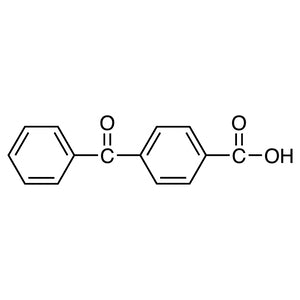
4-BenzoylbenzoicAcid TCI B1164
Regular price From Rp 1.988.700,00Regular price -
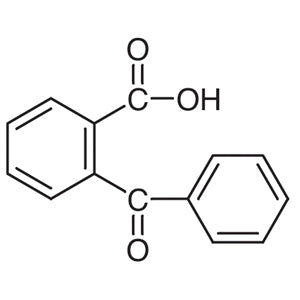
2-BenzoylbenzoicAcid TCI B0103
Regular price Rp 530.250,00Regular price -
Methyl2-Benzoylbenzoate TCI B1231
Regular price From Rp 903.000,00Regular price -
3'-Hydroxyacetophenone TCI A0104
Regular price From Rp 1.060.500,00Regular price -
Anthraquinone TCI A0502
Regular price From Rp 477.750,00Regular price -
MethylBenzoylformate TCI B1033
Regular price From Rp 1.167.600,00Regular price -
BenzoinIsopropylEther TCI B0942
Regular price From Rp 505.050,00Regular price -
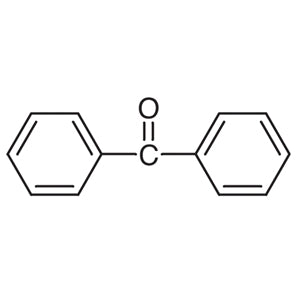
Benzophenone TCI B0083
Regular price From Rp 477.750,00Regular price