TCI B1033 Methyl Benzoylformate, also known as methyl phenylglyoxylate, is an aromatic α-keto ester. In its structure, a ketone group is bonded directly to an ester group and a phenyl ring. In the laboratory it is classed as a versatile non-heterocyclic building block. Researchers use it to prepare mandelic acid derivatives, α-hydroxy esters, and a range of pharmaceutical intermediates. In polymer science it is also known as a photoinitiator for ultraviolet curing systems.
Methyl benzoylformate is valued mainly for its two adjacent carbonyl groups. This arrangement makes the ketone group highly reactive toward reduction, nucleophilic addition, and condensation reactions. Because the ketone group is prochiral, the compound is a common test substrate for asymmetric hydrogenation and biocatalysis. Its reduction product, methyl mandelate, can be checked for enantiomeric purity by chiral chromatography. The aryl ketone group also absorbs ultraviolet light and generates radicals, which is why the compound is used in photopolymerization.
In Indonesia, methyl benzoylformate is relevant to university catalysis laboratories developing asymmetric reduction methods, where it works as a well-characterised benchmark substrate. Organic synthesis groups in research institutes and pharmaceutical development laboratories use it as a starting material for mandelic acid derivatives and α-hydroxy ester intermediates. Polymer and materials science laboratories studying ultraviolet-curable coatings, inks, and resins can also use it as a photoinitiator in formulation and curing experiments.
TCI brochures (PDF)
- Polymerization Initiators 2025-09-17 · p. 3
- Biomaterials Research Reagents 2025-02-19 · p. 25
- Asymmetric hydrogenation studies: the prochiral ketone group makes this compound a common benchmark substrate for comparing the selectivity of chiral catalysts and ligands.
- Biocatalytic reduction research: enzymes and whole-cell systems can be screened against this substrate, and the enantiomeric purity of the methyl mandelate product can then be measured by chiral chromatography.
- Synthesis of mandelic acid derivatives: reducing the reactive ketone gives methyl mandelate and related α-hydroxy esters, which are useful building blocks for further organic synthesis.
- Pharmaceutical intermediate preparation: the adjacent ketone and ester groups allow nucleophilic addition and condensation reactions that lead to a range of functionalised drug-development intermediates.
- Ultraviolet-curing photopolymerization: the aryl ketone group absorbs ultraviolet light and generates radicals, so the compound can act as a photoinitiator in coating, ink, and resin studies.
| Brand | TCI (product code B1033) |
|---|---|
| CAS number | 15206-55-0 |
| Molecular formula | — |
| Purity | — |
| Category | Chemistry > Building Blocks > Non-Heterocyclic Building Blocks |
| Pack sizes | see the available options on the product listing |
| Physical form | refer to the TCI product label and certificate of analysis |
| Storage | keep tightly closed in a cool, dry, well-ventilated place away from light, following the TCI safety data sheet |
Store methyl benzoylformate in its original tightly sealed TCI container in a cool, dry, well-ventilated area. Protect it from direct sunlight and strong ultraviolet sources, because the aryl ketone group is light-sensitive and can form radicals. Keep it away from strong oxidising agents, strong bases, and reducing agents. Handle it in a fume hood while wearing chemical-resistant gloves, safety glasses, and a laboratory coat, and avoid inhaling vapours or getting it on your skin or in your eyes. Label secondary containers clearly, close containers promptly after use, and follow the safety data sheet and local regulations for spill response and waste disposal.
—
Product Categories
Produk Terkait
-
3'-Hydroxyacetophenone TCI A0104
Regular price From Rp 1.113.000,00Regular priceRp 793.800,00Sale price From Rp 1.113.000,00 -
Anthraquinone TCI A0502
Regular price From Rp 477.750,00Regular priceRp 333.900,00Sale price From Rp 477.750,00 -
Methyl2-Benzoylbenzoate TCI B1231
Regular price From Rp 955.500,00Regular priceRp 683.550,00Sale price From Rp 955.500,00 -
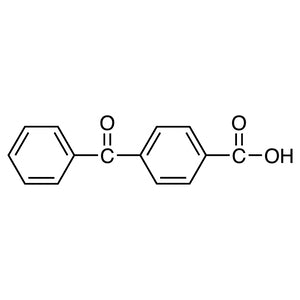
4-BenzoylbenzoicAcid TCI B1164
Regular price From Rp 2.041.200,00Regular priceRp 1.442.700,00Sale price From Rp 2.041.200,00 -
BenzoinIsopropylEther TCI B0942
Regular price From Rp 557.550,00Regular priceRp 405.300,00Sale price From Rp 557.550,00 -
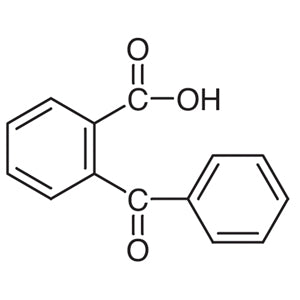
2-BenzoylbenzoicAcid TCI B0103
Regular price Rp 582.750,00Regular priceRp 423.150,00Sale price Rp 582.750,00 -
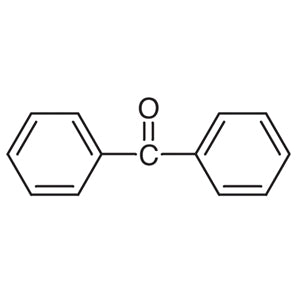
Benzophenone TCI B0083
Regular price From Rp 477.750,00Regular priceRp 333.900,00Sale price From Rp 477.750,00 -
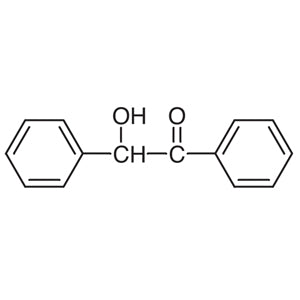
Benzoin TCI B0079
Regular price From Rp 505.050,00Regular priceRp 352.800,00Sale price From Rp 505.050,00