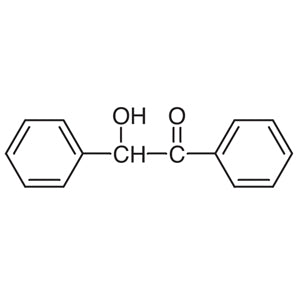
Benzoin is an organic compound widely used in various chemical reactions within laboratory settings. As a fundamental building block in chemistry, it plays a crucial role in the synthesis of complex compounds, particularly in oxidation and reduction reactions. Its versatility makes it a valuable resource for researchers and students alike. Benzoin is commonly used as a precursor in the production of aromatic and heterocyclic compounds, which are essential in multiple scientific fields. Its chemical stability and moderate reactivity allow it to participate effectively in a wide range of chemical processes, making it a reliable material for laboratory applications.
One of the key properties that make benzoin a preferred choice is its high purity and consistent quality. These characteristics ensure accurate and reproducible results in experimental procedures. Benzoin also has relatively high melting and boiling points, which enable its use in high-temperature laboratory conditions without undergoing significant decomposition. This stability is particularly beneficial in reactions that require controlled thermal environments. Additionally, its chemical inertness in certain conditions allows it to serve as a suitable solvent or reagent in various synthetic pathways.
In Indonesian laboratories, benzoin is frequently utilized in chemical research, especially in the synthesis of organic compounds and the development of pharmaceutical products. It is also commonly used in educational settings to train students in chemical synthesis techniques. Its reliability and availability make it a staple in both academic and industrial research environments, supporting a wide range of scientific investigations.
TCI brochures (PDF)
- Polymerization Initiators 2025-09-17 · p. 4
- Biomaterials Research Reagents 2025-02-19 · p. 25
- Organic synthesis is a primary application where benzoin is used as a building block for creating complex molecules due to its reactivity and stability.
- Pharmaceutical research benefits from benzoin's role in the synthesis of aromatic compounds, which are essential in drug development.
- Educational institutions use benzoin to teach students about chemical reactions and synthesis techniques in a controlled laboratory environment.
- Material science research incorporates benzoin in the creation of heterocyclic compounds, which are important in polymer and composite material development.
- Industrial chemical processes rely on benzoin as a precursor for producing aromatic and heterocyclic compounds used in various manufacturing applications.
| Brand | TCI |
|---|---|
| CAS number | 119-53-9 |
| Molecular formula | — |
| Purity | — |
| Category | Chemistry > Building Blocks > Non-Heterocyclic Building Blocks |
| Pack sizes | Available in various quantities as per supplier specifications |
| Physical form | Solid |
| Storage | Store in a cool, dry place away from direct sunlight and moisture |
Benzoin should be stored in a cool, dry place, away from direct sunlight and moisture to maintain its chemical stability. It is recommended to use airtight containers to prevent contamination and degradation. Due to its chemical properties, it should be handled with care, using appropriate personal protective equipment such as gloves and safety goggles. Avoid exposure to heat sources and ensure proper ventilation in the laboratory to minimize inhalation risks. Regular inspection of storage conditions is advised to ensure the integrity of the material remains intact for use in experiments.
—
Product Categories
Produk Terkait
-
BenzoinIsopropylEther TCI B0942
Regular price From Rp 557.550,00Regular priceRp 405.300,00Sale price From Rp 557.550,00 -
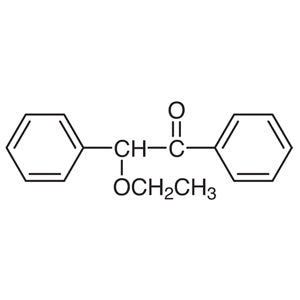
BenzoinEthylEther TCI B1019
Regular price Rp 822.150,00Regular priceRp 590.100,00Sale price Rp 822.150,00 -
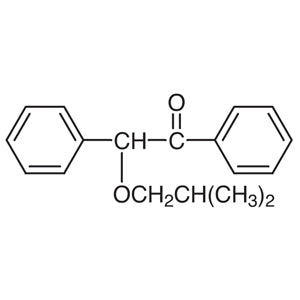
BenzoinIsobutylEther TCI B1015
Regular price Rp 477.750,00Regular priceRp 333.900,00Sale price Rp 477.750,00 -
BenzoinMethylEther TCI B0869
Regular price From Rp 1.087.800,00Regular priceRp 775.950,00Sale price From Rp 1.087.800,00 -
3'-Hydroxyacetophenone TCI A0104
Regular price From Rp 1.113.000,00Regular priceRp 793.800,00Sale price From Rp 1.113.000,00 -
Anthraquinone TCI A0502
Regular price From Rp 477.750,00Regular priceRp 333.900,00Sale price From Rp 477.750,00 -
Methyl2-Benzoylbenzoate TCI B1231
Regular price From Rp 955.500,00Regular priceRp 683.550,00Sale price From Rp 955.500,00 -
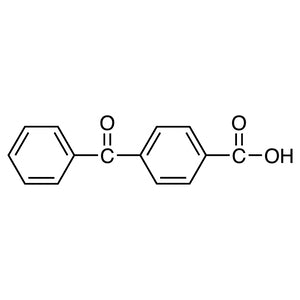
4-BenzoylbenzoicAcid TCI B1164
Regular price From Rp 2.041.200,00Regular priceRp 1.442.700,00Sale price From Rp 2.041.200,00