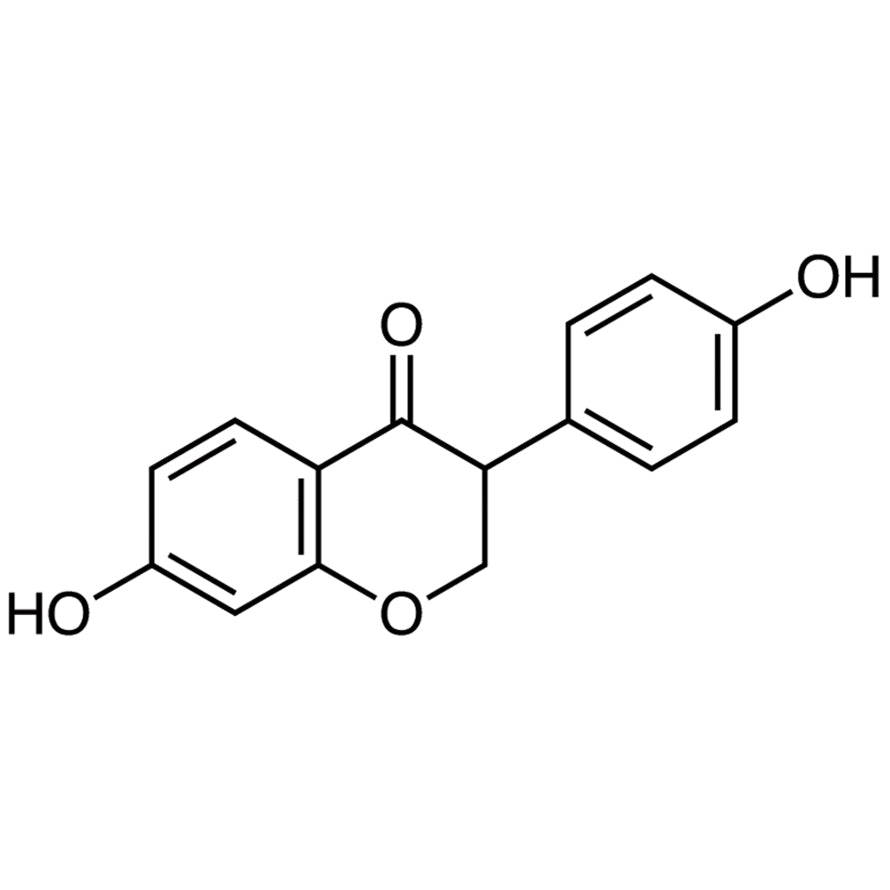
TCI D4239 Dihydrodaidzein (CAS 17238-05-0) is an isoflavonoid compound that serves as an intermediate metabolite of daidzein, the isoflavone widely found in soybeans and soy-derived products. The compound is formed through the reduction of daidzein by gut microbiota and represents an important stage preceding the formation of equol. In the laboratory, dihydrodaidzein is used as an analytical standard and test material in research on isoflavone metabolism, food phytochemistry, and gut microbiology. Availability of this compound in pure form allows researchers to identify and quantify the metabolite accurately in biological matrices as well as fermentation samples.
The properties that make dihydrodaidzein a preferred choice are its distinctive isoflavanone skeleton together with phenolic hydroxyl groups that impart chromophore character and antioxidant reactivity. This structure produces characteristic ultraviolet spectral patterns and mass spectrometry fragmentation behaviour, making it highly useful as an identification marker in LC-MS and HPLC-DAD analysis. The presence of a chiral centre on the isoflavanone skeleton also makes the compound an interesting material for studies of stereoselective metabolism by gut bacteria, where the two enantiomeric forms may follow different conversion routes.
In Indonesian laboratories, dihydrodaidzein is typically encountered in university research groups, food science departments, and biochemistry facilities working on soy-based foods and traditional fermented products, which are abundant in the local diet. It is commonly used as a reference material when confirming metabolite peaks in chromatographic runs, and as a substrate or comparison compound in gut microbiota fermentation studies. Its role as a phenolic compound also brings it into antioxidant and nutraceutical research programmes.
TCI brochures (PDF)
- Polyphenols 2024-12-05 · p. 1
- Phytochemicals 2025-12-17 · p. 12
- Analytical standard preparation — the pure compound provides a reliable reference peak for calibrating LC-MS and HPLC-DAD systems used in isoflavone metabolite quantification.
- Isoflavone metabolism research — as the intermediate between daidzein and equol, it allows researchers to trace and confirm each step of the microbial reduction pathway accurately.
- Gut microbiota studies — the compound serves as a substrate or marker in fermentation experiments examining how intestinal bacteria transform dietary isoflavones into downstream metabolites.
- Food phytochemistry investigations — its defined structure supports identification and measurement of daidzein-derived metabolites in soy products and traditional fermented food matrices.
- Stereoselective metabolism work — the chiral centre on the isoflavanone skeleton makes it suitable for studies distinguishing how bacterial enzymes handle each enantiomeric form.
| Brand | TCI |
|---|---|
| CAS number | 17238-05-0 |
| Molecular formula | — |
| Purity | — |
| Category | Life Science > Biochemicals and Reagents > Phenylpropanoids, Aromatic Polyketides |
| Pack sizes | available in standard TCI research-scale packaging; please confirm the size required when ordering |
| Physical form | — |
| Storage | keep in the closed original container under the conditions stated on the manufacturer label |
- Compound class: isoflavonoid, isoflavanone skeleton with phenolic hydroxyl groups
Store the container tightly closed in a cool, dry place away from direct sunlight, moisture, and sources of heat, following the storage conditions printed on the manufacturer label. Phenolic compounds of this type are best protected from prolonged light and air exposure, so amber glass vials or the original container with a secure closure are appropriate. Handle the material in a well-ventilated area or fume hood, wearing a laboratory coat, safety glasses, and suitable gloves. Avoid generating dust when weighing small quantities, use clean and dry spatulas to prevent cross-contamination of an analytical standard, and allow the container to reach room temperature before opening if it has been kept refrigerated, so that condensation does not affect the contents. Consult the manufacturer safety data sheet before use and dispose of residues according to institutional chemical waste procedures.
—
Produk Terkait
-
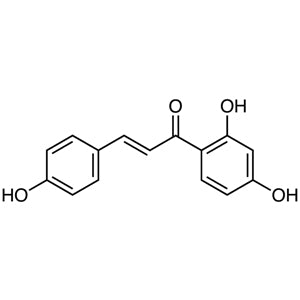
Isoliquiritigenin TCI I0822
Regular price From Rp 1.035.300,00Regular price -
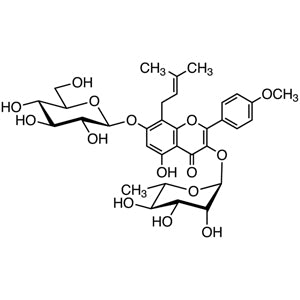
Icariin TCI I0862
Regular price From Rp 1.829.100,00Regular price -
Xanthohumol TCI X0068
Regular price Rp 13.249.950,00Regular price -
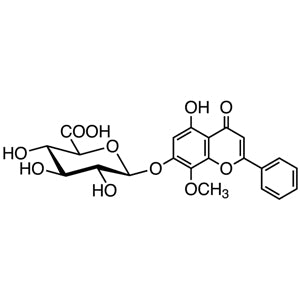
Wogonoside TCI W0012
Regular price From Rp 5.672.100,00Regular price -
Wogonin TCI W0010
Regular price From Rp 4.188.450,00Regular price -
PotengriffiosideA TCI T4196
Regular price Rp 7.844.550,00Regular price -
Tectochrysin TCI T4185
Regular price Rp 4.823.700,00Regular price -
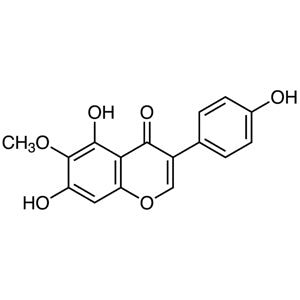
Tectorigenin TCI T3729
Regular price From Rp 4.718.700,00Regular price