TCI D4354 2,2-Dimethyl-4-pentenoic Acid is a bifunctional aliphatic building block that combines a carboxylic acid group with a terminal alkene, separated by a quaternary carbon bearing two methyl groups. This simple yet clever structure makes it a versatile starting material in the organic synthesis laboratory. The carboxyl group provides a handle for amide formation, esterification, or reduction to the corresponding alcohol, while the terminal double bond is open to a wide range of transformations such as metathesis, hydroformylation, hydroboration, epoxidation, and thiol-ene click reactions. These two well-separated reactive sites allow efficient stepwise synthetic strategies to be designed around a single small molecule.
The most distinctive characteristic of this compound is the presence of a gem-dimethyl quaternary carbon at the alpha position relative to the carboxyl group. This substitution blocks certain reaction pathways at the alpha carbon, for example unwanted epimerization or deprotonation, and therefore delivers intermediates that are more stable in configurational terms. The gem-dimethyl group also contributes the well-known Thorpe-Ingold effect, which accelerates intramolecular cyclization reactions — a genuine advantage when constructing lactone rings or carbocyclic ring systems. Together, these features give chemists a building block that behaves predictably during multistep sequences and that introduces a sterically defined quaternary centre without additional synthetic effort.
In Indonesian laboratories, this material is typically used in university research groups, institutional chemistry laboratories, and industrial R&D units working on organic synthesis and medicinal chemistry projects. It is generally handled at bench scale during route scouting, intermediate preparation, and methodology development, where a reliable bifunctional starting material shortens a synthetic sequence. Researchers preparing lactones, functionalized carboxylic acid derivatives, or polymer and linker structures commonly keep such building blocks available in the laboratory chemical inventory.
Related TCI products
- Olefin metathesis substrate preparation — the unhindered terminal alkene participates readily in cross and ring-closing metathesis, while the carboxyl group remains available for later coupling steps.
- Lactone ring construction — the gem-dimethyl quaternary carbon delivers the Thorpe-Ingold effect, favouring the intramolecular cyclization geometry needed to close lactone rings efficiently.
- Amide and ester synthesis — the carboxylic acid function is a direct point for coupling to amines or alcohols, giving derivatives that retain the intact terminal alkene for later modification.
- Thiol-ene click chemistry and functional linker preparation — the terminal double bond undergoes radical thiol addition, allowing the acid-terminated fragment to be attached to thiol-bearing scaffolds.
- Hydroformylation, hydroboration, and epoxidation studies — the terminal olefin serves as a clean model substrate for these transformations while the quaternary alpha carbon suppresses competing side reactions.
| Brand | TCI (Tokyo Chemical Industry) |
|---|---|
| CAS number | 16386-93-9 |
| Molecular formula | — |
| Purity | — |
| Category | Chemistry > Building Blocks > Non-Heterocyclic Building Blocks |
| Pack sizes | available in standard TCI research-scale packaging; please confirm the pack size required when ordering |
| Physical form | — |
| Storage | keep the container tightly closed and store according to the manufacturer's stated conditions on the label and Safety Data Sheet |
- Product code: D4354
Store the product in its original tightly closed container, in a cool, dry, and well-ventilated area away from heat sources, direct sunlight, and incompatible materials such as strong bases and strong oxidizing agents. Follow the storage conditions printed on the manufacturer's label and Safety Data Sheet, as these take precedence over general guidance. Handle the material inside a fume hood using appropriate personal protective equipment, including chemical-resistant gloves, safety goggles, and a laboratory coat. As with other carboxylic acids, avoid contact with skin and eyes and avoid breathing vapours. Use compatible glass or otherwise chemically resistant containers for transfer and short-term storage, label all working solutions clearly, and close containers immediately after use to limit exposure to moisture and air. Dispose of residues and contaminated materials in accordance with institutional chemical waste procedures.
—
Produk Terkait
-
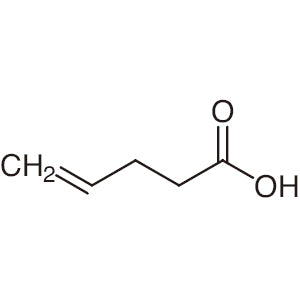
4-PentenoicAcid TCI P0645
Regular price From Rp 1.936.200,00Regular price -
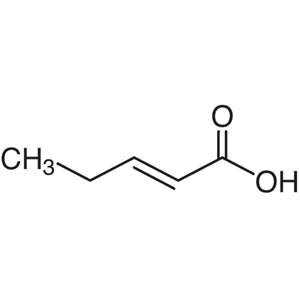
trans-2-PentenoicAcid TCI P0345
Regular price From Rp 1.193.850,00Regular price -
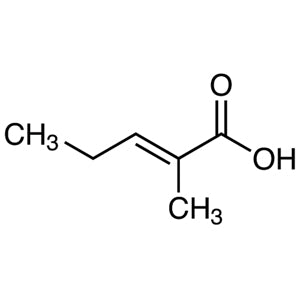
trans-2-Methyl-2-pentenoicAcid TCI M2814
Regular price From Rp 1.167.600,00Regular price -
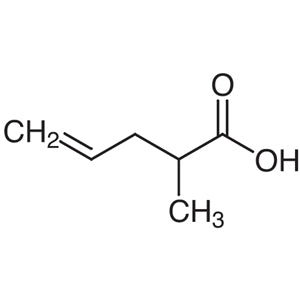
2-Methyl-4-pentenoicAcid TCI M1143
Regular price Rp 2.650.200,00Regular price -
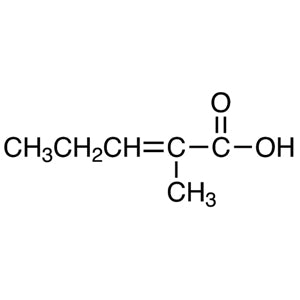
2-Methyl-2-pentenoicAcid TCI M0784
Regular price From Rp 584.850,00Regular price -
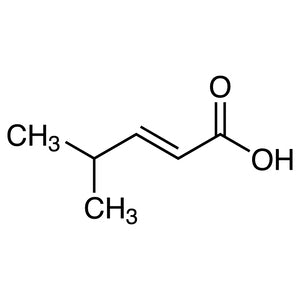
4-Methyl-2-pentenoicAcid(stabilizedwithHQ) TCI M0268
Regular price From Rp 2.518.950,00Regular price -
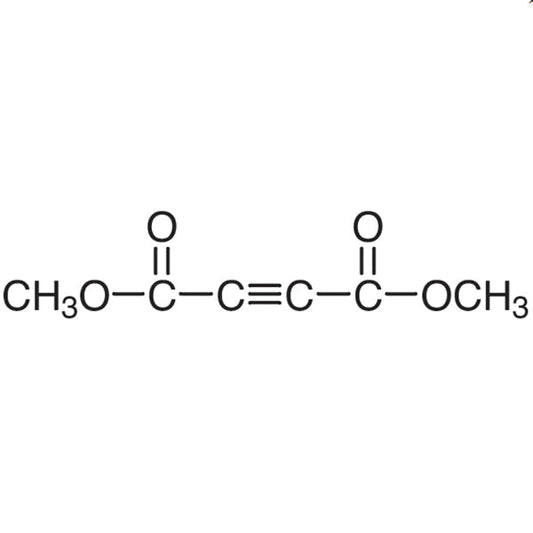
DimethylAcetylenedicarboxylate TCI A0090
Regular price From Rp 2.041.200,00Regular price -
Dimethyl1,3-Acetonedicarboxylate TCI A0056
Regular price From Rp 1.298.850,00Regular price