3,5-Dichloropyridazine is a chemical compound classified under the heterocyclic category, commonly used as a foundational building block in the synthesis of complex molecules. Its structure consists of a pyridazine ring with two chlorine atoms at positions 3 and 5, contributing to its high reactivity. In laboratory settings, this compound plays a crucial role in organic synthesis by enabling the construction of more intricate molecular structures. Its unique chemical properties make it an essential tool for researchers working in various fields of chemistry.
The compound's stability combined with its reactivity makes it a preferred choice for a wide range of chemical reactions. The presence of chlorine atoms at specific positions allows it to act as an electron donor or participate in nucleophilic reactions, enhancing its versatility. This dual nature enables it to be used in substitution, coupling, and other synthetic processes. Its ability to serve as both a reagent and a structural component makes it highly valuable in pharmaceutical and organic chemistry research.
In Indonesian laboratories, 3,5-Dichloropyridazine is frequently utilized in organic chemistry research, particularly by academic institutions and research organizations. Its availability and consistent quality make it a go-to compound for developing new chemical compounds with potential applications in various industries. Its role in advancing scientific research is well-recognized in the local scientific community.
Related TCI products
- Organic synthesis applications benefit from 3,5-Dichloropyridazine due to its reactivity and structural versatility, enabling the creation of complex molecules.
- Pharmaceutical research utilizes this compound for the development of new drug compounds, leveraging its ability to participate in nucleophilic reactions.
- Heterocyclic compound synthesis relies on 3,5-Dichloropyridazine as a building block, allowing for the construction of diverse molecular frameworks.
- Academic research institutions use it extensively in teaching and experimental studies to demonstrate chemical reactivity and synthetic techniques.
- Industrial chemical processes incorporate this compound for the production of specialty chemicals, taking advantage of its stability and reactivity.
| Brand | TCI |
|---|---|
| CAS number | 1837-55-4 |
| Molecular formula | — |
| Purity | — |
| Category | Chemistry > Building Blocks > Heterocyclic Building Blocks |
| Pack sizes | Available in various quantities as per supplier specifications |
| Physical form | Solid |
| Storage | Store in a cool, dry place away from light and moisture |
3,5-Dichloropyridazine should be stored in a cool, dry environment, away from direct sunlight and moisture. It is recommended to use airtight containers to prevent exposure to air and humidity. Due to its chemical nature, it should be handled with appropriate personal protective equipment, such as gloves and safety goggles, to ensure laboratory safety. Proper ventilation is essential when working with this compound to minimize inhalation risks. It should not be stored near incompatible materials, such as strong bases or reactive metals. Regular inspection of storage conditions is advised to maintain the compound's integrity and ensure safe usage in laboratory settings.
—
Produk Terkait
-
3,6-Dichloropyridazine TCI D1465
Regular price Rp 769.650,00Regular price -
3,4,6-Trichloropyridazine TCI T3417
Regular price From Rp 903.000,00Regular price -
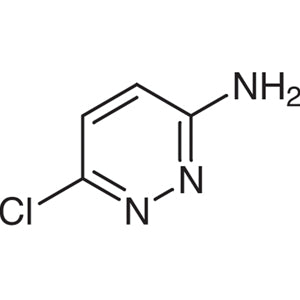
3-Amino-6-chloropyridazine TCI A1817
Regular price From Rp 2.332.050,00Regular price -
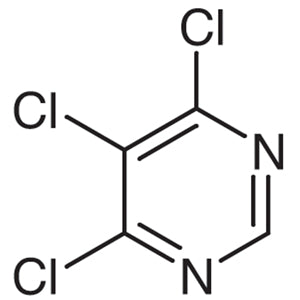
4,5,6-Trichloropyrimidine TCI T2550
Regular price Rp 2.411.850,00Regular price -
2,4,5-Trichloropyrimidine TCI T2512
Regular price From Rp 1.618.050,00Regular price -
5-(4-Bromophenyl)-4,6-dichloropyrimidine TCI B4950
Regular price Rp 1.961.400,00Regular price -
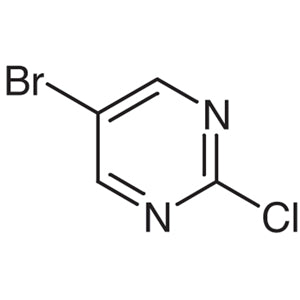
5-Bromo-2-chloropyrimidine TCI B2847
Regular price From Rp 477.750,00Regular price -
5-Bromo-2,4-dichloropyrimidine TCI B2823
Regular price From Rp 1.829.100,00Regular price