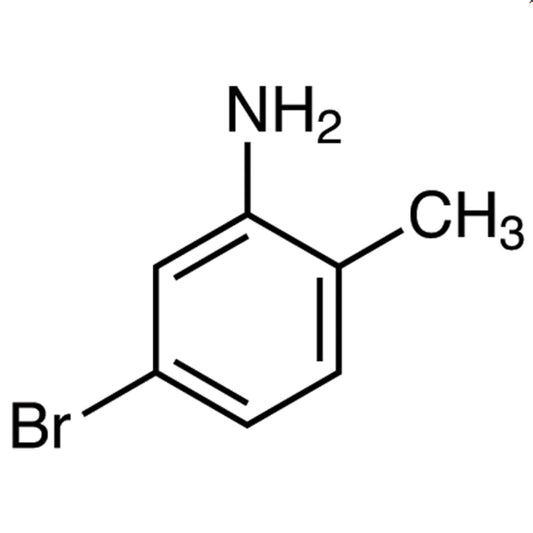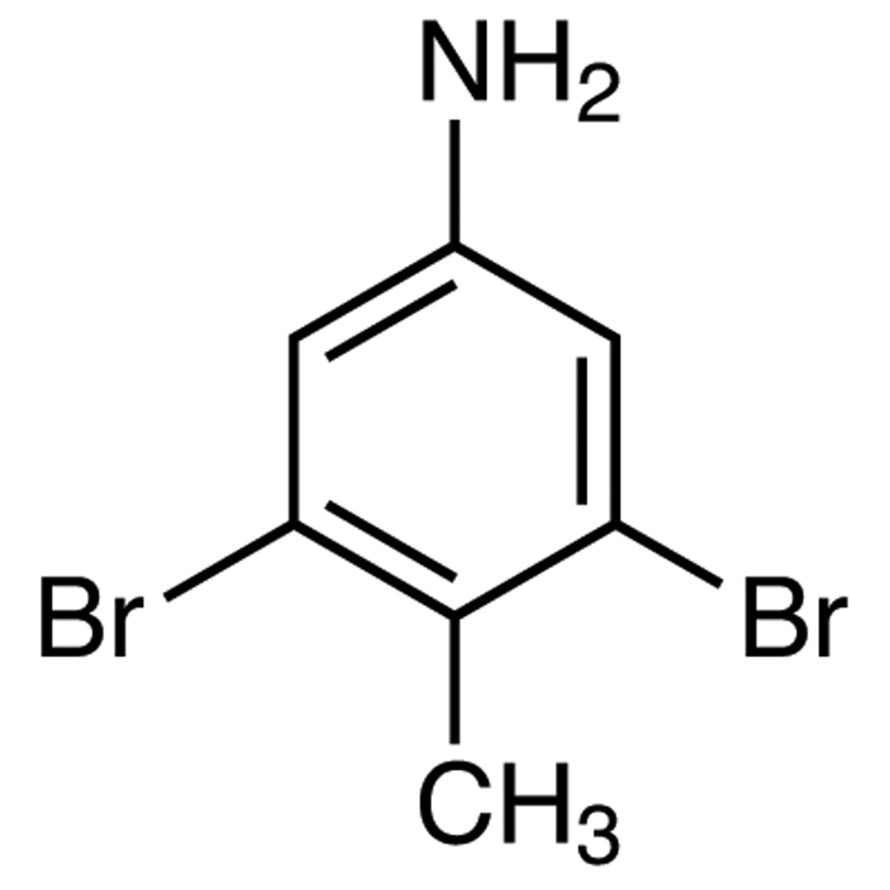
3,5-Dibromo-4-methylaniline is a chemical compound widely used as a foundational building block in the synthesis of complex molecules. This aromatic compound features two bromo groups and a methyl substituent, making it a versatile reagent in organic chemistry. Its unique reactivity and stability make it an essential tool for researchers aiming to construct intricate molecular structures. In the laboratory, it serves as a key component in the development of pharmaceuticals, industrial chemicals, and other organic compounds.
The compound's chemical properties, including its aromatic structure and the presence of bromo and methyl groups, contribute to its reactivity and utility. The bromo substituents provide stability while allowing for controlled chemical modifications, making it ideal for substitution reactions and other synthetic processes. Its ability to participate in various chemical transformations enhances its value in both academic and industrial research settings. The methyl group further offers opportunities for further functionalization, expanding its potential applications.
In Indonesian laboratories, 3,5-Dibromo-4-methylaniline is extensively used in organic chemistry research, particularly in the synthesis of complex compounds. It is a common reagent in academic and industrial settings, supporting the development of new chemical products and pharmaceuticals. Its availability and chemical properties make it a preferred choice for researchers working on advanced chemical synthesis projects.
- Organic synthesis applications benefit from its reactivity and aromatic structure, enabling the creation of complex molecular frameworks.
- Pharmaceutical research utilizes it as a building block for the development of new drug compounds through tailored chemical modifications.
- Industrial chemical production relies on its stability and reactivity for the synthesis of various organic intermediates.
- Research in chemical modification leverages its bromo and methyl groups for further functionalization and structural diversity.
- Academic laboratories use it as a standard reagent for teaching and experimental purposes in organic chemistry courses.
| Brand | TCI |
|---|---|
| CAS number | 13194-73-5 |
| Molecular formula | — |
| Purity | — |
| Category | Chemistry > Building Blocks > Non-Heterocyclic Building Blocks |
| Pack sizes | Available in various quantities as per supplier specifications |
| Physical form | Solid (as per standard product description) |
| Storage | Store in a cool, dry place away from light and incompatible materials |
This compound should be stored in a cool, dry environment, away from direct sunlight and sources of heat. It is recommended to use airtight containers to prevent exposure to moisture and air, which may affect its stability. Due to its chemical nature, it should be kept separate from incompatible substances such as strong oxidizers or acids. In laboratory settings, proper personal protective equipment, including gloves and safety goggles, should always be worn when handling the compound. Regular monitoring of storage conditions ensures the compound remains in optimal condition for use in chemical synthesis and research applications.
—
Produk Terkait
-
2,6-Dibromo-4-methylaniline TCI D3577
Regular price From Rp 769.650,00Regular price -
2-Bromo-5-methylaniline TCI B4507
Regular price From Rp 980.700,00Regular price -
5-Bromo-2-methylaniline TCI B3687
Regular price From Rp 530.250,00Regular price -
3-Bromo-2-methylaniline TCI B3482
Regular price From Rp 3.021.900,00Regular price -
3-Bromo-4-methylaniline TCI B2354
Regular price From Rp 1.167.600,00Regular price -
4-Bromo-3-methylaniline TCI B1990
Regular price From Rp 689.850,00Regular price -
4-Bromo-2-methylaniline TCI B1281
Regular price Rp 1.378.650,00Regular price -
2-Bromo-4-methylaniline TCI B0540
Regular price From Rp 664.650,00Regular price