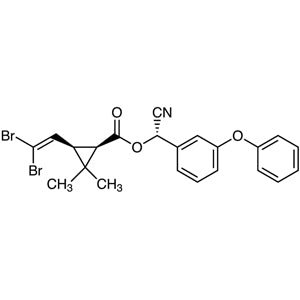
Deltamethrin is a synthetic insecticide widely used in life sciences research, particularly in cell biology and nutrition studies. It is a key chemical compound utilized in laboratories to investigate the physiological and behavioral responses of organisms to various stimuli. As a potent neurotoxin, deltamethrin is effective against a range of pests, including lice and flies, making it a valuable tool for experimental studies. Its chemical stability and consistent performance make it a reliable choice for researchers seeking accurate and repeatable results.
Deltamethrin is known for its chemical stability and resistance to environmental changes, ensuring consistent performance across different experimental conditions. It dissolves well in organic solvents and remains chemically inert under a variety of storage and usage conditions. These properties allow researchers to maintain precise control over dosing, minimizing experimental errors. The compound’s molecular structure also supports accurate measurement and application, enhancing its utility in controlled laboratory settings.
In Indonesian laboratories, deltamethrin is frequently employed in studies examining the interactions between organisms and their environments. It is also used in chemical effect studies to understand how different substances influence biological systems. Its availability in various packaging formats and its ease of handling make it a practical choice for both academic and industrial research applications.
TCI brochures (PDF)
- Agrochemical Ingredients for Research and Experimental Use 2026-01-08 · p. 6
- Plant Research Reagents 2026-02-24 · p. 12
- Reagents for Biological Research 2025-03-11 · p. 56
- Insecticide testing for evaluating the physiological responses of organisms to chemical exposure.
- Cell biology research to study the impact of insecticides on cellular structures and functions.
- Nutritional studies to assess the effects of chemical compounds on metabolic processes.
- Environmental toxicity analysis to determine the impact of deltamethrin on ecosystems.
- Bioassay development for creating standardized protocols to measure biological activity.
| Brand | TCI |
|---|---|
| CAS number | 52918-63-5 |
| Molecular formula | — |
| Purity | — |
| Category | Life Science > Cell Biology > Nutrition Research |
| Pack sizes | Available in multiple packaging formats for laboratory use |
| Physical form | Solid |
| Storage | Store in a cool, dry place away from direct sunlight |
Deltamethrin should be stored in a cool, dry environment, away from direct sunlight and sources of heat. It is recommended to use airtight containers made of materials that are chemically inert to prevent contamination and degradation. Due to its chemical stability, it does not require refrigeration but should be kept in a secure location to avoid accidental exposure. Laboratory personnel should handle the compound with care, using appropriate personal protective equipment to ensure safety. Proper labeling and storage practices are essential to maintain the integrity of the compound and ensure safe usage in research settings.
—
Produk Terkait
-
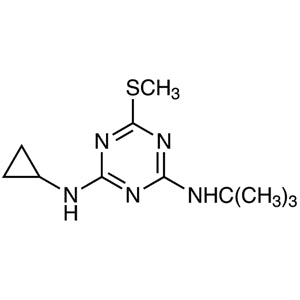
2-(tert-Butylamino)-4-(cyclopropylamino)-6-(methylthio)-1,3,5-triazine TCI I0842
Regular price From Rp 1.644.300,00Regular price -
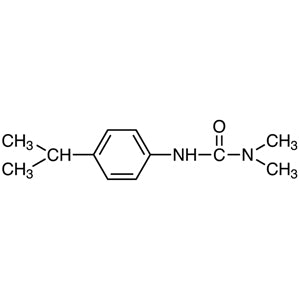
Isoproturon TCI I0843
Regular price From Rp 1.298.850,00Regular price -
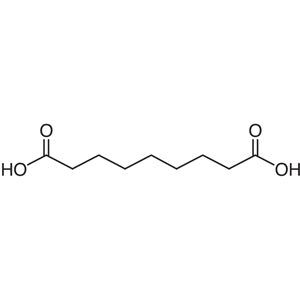
AzelaicAcid TCI A0561
Regular price From Rp 505.050,00Regular price -
AbieticAcid TCI A0001
Regular price From Rp 1.510.950,00Regular price -
Sulfentrazone TCI U0110
Regular price From Rp 2.411.850,00Regular price -
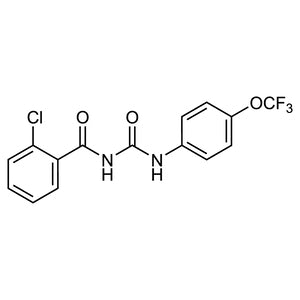
Triflumuron TCI T4364
Regular price From Rp 1.220.100,00Regular price -
Tralopyril TCI T4109
Regular price From Rp 2.730.000,00Regular price -
Tribenuron-methyl TCI T4085
Regular price From Rp 2.359.350,00Regular price